
Friday, May 30, 2025

France is joining a growing international movement alongside Mexico, the US, Portugal, the UK, Jamaica, Spain, Italy, and others as it introduces a sweeping new outdoor smoking ban aimed at transforming tourist behavior and protecting public health. With its €135 fine for smoking in public outdoor areas like parks and beaches, France becomes the latest travel destination rewriting the rules for global visitors — part of a broader shift to cleaner, safer, and more health-conscious public environments around the world.
France’s New Crackdown on Smoking in Public
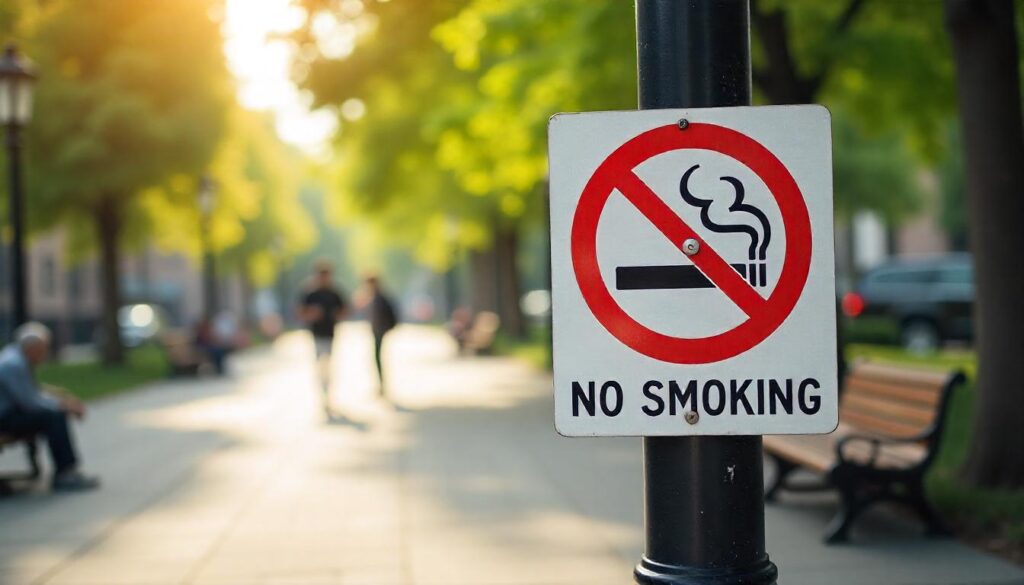
Announced by France’s Health Ministry in May 2025, the new ban prohibits smoking in over 7,000 designated outdoor zones across the country. This includes public parks, beaches, forests, and areas frequented by children — all part of a nationwide push to improve air quality and protect public health. Tourists found smoking in these zones will face fines of €135 on the spot.
This move follows years of smaller local initiatives, but now marks the first time France is coordinating a national framework to target outdoor smoking. French officials say the goal is to create cleaner public spaces and reduce smoking among young people. The rollout will coincide with new signage and awareness campaigns at major tourist hotspots — including Paris, Nice, Marseille, and Lyon — to ensure international visitors are informed.
Mexico’s Bold Move to Ban Smoking in All Public Spaces
Mexico has taken one of the most aggressive stances in the Americas. Since January 2023, smoking has been banned in all public spaces nationwide — including parks, beaches, sidewalks, hotels, and tourist attractions. The sweeping law also bans tobacco advertising and sponsorships.
For travelers, the new law means lighting up on Cancún’s beachfront or in Mexico City’s plazas can result in fines ranging from $50 to $300 USD. Authorities in tourist zones have been ramping up enforcement, especially in popular areas like Tulum, Playa del Carmen, and Mexico City’s historic center.
United States Enforces Localized Outdoor Smoking Bans
While the US lacks a national ban, many cities and states have enacted strict outdoor smoking regulations, particularly in tourist-heavy destinations. California leads the charge — cities like Laguna Beach and Santa Monica prohibit smoking in nearly all public areas, including beaches, parks, and shopping streets.
Florida has joined in with new bans in cities like Jacksonville Beach, which now prohibit smoking and vaping on public beaches. New York State also enforces a statewide ban on smoking at state parks and beaches, affecting popular destinations like Jones Beach and Niagara Falls. San Antonio, Texas, recently extended its smoke-free policy to public plazas and tourist zones, part of a broader trend across the US to create cleaner environments for residents and visitors alike.
Portugal Joins Push for a Smoke-Free Future
Portugal, too, has taken decisive steps to redefine how smoking fits into public life. Since the summer of 2023, it has barred smoking in a wide array of outdoor venues — from sidewalk cafes and university courtyards to sports arenas and cultural sites. The move is part of a phased national policy designed to reduce tobacco exposure in public settings and support a healthier tourism experience in hotspots like Lisbon, Porto, and the Algarve. A broader law set to take full effect by 2025 will restrict tobacco sales to licensed tobacconists and airport duty-free shops, removing cigarettes from bars and convenience stores.
For tourists, this means enjoying Lisbon’s outdoor cafes or Porto’s riverfront promenades without the presence of cigarette smoke. The country’s health officials have framed the ban as a step toward achieving a smoke-free generation by 2040 — and international travelers are expected to follow the same rules as locals.
UK Cities Crack Down on Outdoor Smoking
In the United Kingdom, the push for outdoor smoking bans has been gaining momentum. While no nationwide policy is yet in place, several municipalities have independently taken action. London boroughs, as well as cities like Manchester and Bristol, have banned smoking in outdoor hospitality spaces such as pub gardens and food courts.
Prime Minister Keir Starmer publicly backed stronger smoke-free laws in 2024, supporting efforts to reduce preventable illnesses linked to smoking. This trend is expected to intensify, especially in time for major travel seasons like summer and the holiday period, when millions of foreign visitors descend on the UK.
Jamaica’s No-Smoking Zones Extend Across Public Life
Jamaica has banned smoking in all enclosed public places since 2013, and that policy has steadily expanded to cover various outdoor public spaces as well — especially those frequented by tourists. Smoking is prohibited in public transport, workplaces, government buildings, schools, hospitals, and recreational areas.
The Jamaican Ministry of Health and Wellness has imposed stiff penalties on violators, with fines up to $500 or even jail time for repeat offenders. In areas like Montego Bay, Ocho Rios, and Kingston — popular among tourists — officials have stepped up patrols to ensure compliance. Travelers are advised to look out for no-smoking signage and respect local regulations to avoid costly mistakes.
Spain Widens Outdoor Ban Beyond Beaches
Spain has long had some of Europe’s most scenic beaches — and now many of them are officially smoke-free. Regional authorities in places like the Balearic Islands, Valencia, and Barcelona have implemented strict beach smoking bans, with violators facing fines of up to €2,000.
Beyond the coastline, Spain’s national government has proposed an expanded anti-smoking law that includes terraces, university campuses, sports facilities, and public transportation areas. The legislation is currently awaiting parliamentary approval but has broad public support.
For international visitors, the new rules mean that relaxing on a Spanish beach or dining al fresco in Madrid will increasingly come with cleaner, smoke-free air.
Sweden’s Leading Role in Outdoor Smoke-Free Spaces
Sweden has long been ahead of the curve when it comes to smoking restrictions. Since 2019, the country has banned smoking in outdoor seating areas at restaurants and cafes, as well as near playgrounds, train platforms, and the entrances of public buildings.
In its effort to lead Europe toward a smoke-free future, Sweden is setting a new standard for public health that’s transforming the way tourists experience its cities. From the historic streets of Stockholm to the vibrant culture of Gothenburg and the coastal charm of Malmö, travelers are now greeted by outdoor spaces where smoking is no longer the norm. Smoking in these areas can result in fines and public warnings — and travelers are expected to observe the same standards as locals.
Barbados and Costa Rica Embrace Public Health Through Bans
Barbados and Costa Rica are two smaller but significant players in the global smoking crackdown.
In Barbados, smoking is banned in indoor public places, but tourist-heavy areas such as boardwalks and beachfront properties may also enforce additional outdoor restrictions, depending on local regulations.
Costa Rica, however, has implemented one of Latin America’s toughest anti-smoking laws. The country’s far-reaching restrictions apply not only indoors but extend to open-air environments — including public parks, university campuses, transport waiting areas, and the entrances to communal buildings. For visitors, it means clearer air, quieter streets, and a noticeable shift toward cleaner public life. Fines for violations hover around $355 — steep enough to catch even the most seasoned traveler off guard.
A New Era of Travel: Smoke-Free and Globally Aligned
From the cobbled streets of Paris to the shores of Cancún and the cliffs of Lisbon, the travel landscape is changing. Countries are rethinking the role of public spaces — not just in terms of tourism infrastructure, but public health. For travelers, these bans mean adjusting to a new set of expectations abroad. What was once a cigarette break on a bench or beach is now a potential fine — and a cultural faux pas.
With France now joining this coalition of health-conscious travel destinations, a clear message is being sent: smoke-free tourism is no longer just a trend — it’s becoming the global standard.
