
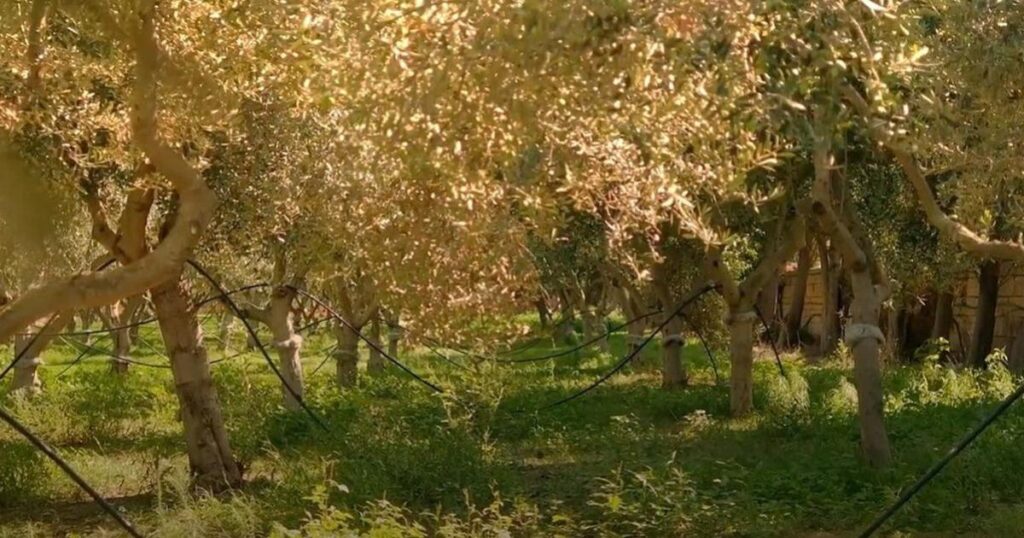
Agriculture, one of the oldest human practices, remains a cornerstone of food security, economic stability, and environmental sustainability. In Malta, where arable land is limited and climatic conditions present unique challenges, the work of agronomists at the Agricultural Research and Innovation Hub (Agrihub) is vital for ensuring sustainable agricultural practices, enhancing crop productivity, and fostering innovation. This article explores the multifaceted role of these professionals, their contributions to agricultural advancement, and the impact of their work on Malta’s agrarian landscape.
Understanding the Maltese agricultural context
Malta, with its Mediterranean climate and limestone-rich soil, is a nation where agriculture has historically played a critical role. However, the archipelago faces several challenges: limited land resources, degradation of the water situation; both in quality and quantity, saline soils, and the pressures of urbanization. Climate change compounds these issues, with rising temperatures and unpredictable weather patterns affecting crop yields and farming practices.
To address these challenges, Malta has established the Agrihub as a centre for innovative and innovation. Here, agronomists, scientists specializing in crop production, and agricultural sustainability, collaborate with researchers, and local farmers to develop solutions tailored to the Maltese environment.
The core responsibilities of agronomists at the Agrihub
Agronomists engaged with Agrihub embarked on a wide range of activities that combine scientific research and technological application. Their work can be broadly categorized into three main areas: research and development, sustainability, and farmer support.
Research and development
At the heart of the Agrihub is a research and development program whereby one of its main aims is focused on the challenges the local agriculture faces. Agriculture officers in collaboration with agronomists conducted trials with farmers to try to address these issues and at the same time, to learn how to tackle these issues. This information is then disseminated to the local industry stakeholders.
Agriculture is an evolving sector influenced by various factors, including climate change and the limitation of primary resources such as water and biodiversity. Another aim of the research carried out at AGRIHUB focuses on the challenges, such as pest and disease control in different crops, as well as climate-related issues such as limited water supply and high temperatures.
With the aid of technology and scientific advancements, AGRIHUB conducts research to address these challenges. A typical case is a research project which explores the cultivation of strawberries in soilless systems, utilizing alternative methods to control pests through beneficial organisms, with the goal of reducing or eliminating the dependence on the use of conventional plant protection products. Another project investigates the use of naturally occurring beneficial fungi to enhance crop yield and overall plant health.
In the past five years, the Agrihub team has been actively working to develop models on how certain pest populations grow, coupled with meteorological data, through the use of various models. This is being achieved through the use of specially-designed traps which are equipped with artificial intelligence, which allow the monitoring of such pests throughout the whole archipelago. The main goal of this project is to give farmers and producers the tools needed to assess current pest population and determine the best course of action.
Support to local farmers is being offered with the aid of two specialised Agronomist from Bari, Italy which are well experienced in their field. A key aspect of an agronomist’s role is to serve as a bridge between scientific research and practical application. At Agrihub, agronomists organize workshops, training sessions, and field demonstrations to educate farmers about sustainable practices and new technologies. They offer personalized advice on crop rotation, pest management, and soil fertility based on scientific data and local conditions.
Collaborating with farmers also allows agronomists to gather valuable feedback, ensuring that the solutions developed are not only scientifically sound but also practical and cost-effective. This two-way interaction fosters trust and ensures that research outputs translate into tangible benefits for the farming community.
The broader impact of agronomist work
The work of agronomists extends beyond the confines of research and experimental fields. Their efforts contribute to national food security by increasing the availability of locally grown produce, reducing reliance on imports, and enhancing the resilience of Maltese agriculture to climate change. With the aid of an agronomist, farmers can apply more holistic control measures and identify the causes of issues, along with the appropriate control methods. This ensures healthier products and a safer product for the end consumer.
Moreover, by promoting sustainable practices, agronomists help safeguard Malta’s natural resources for future generations.