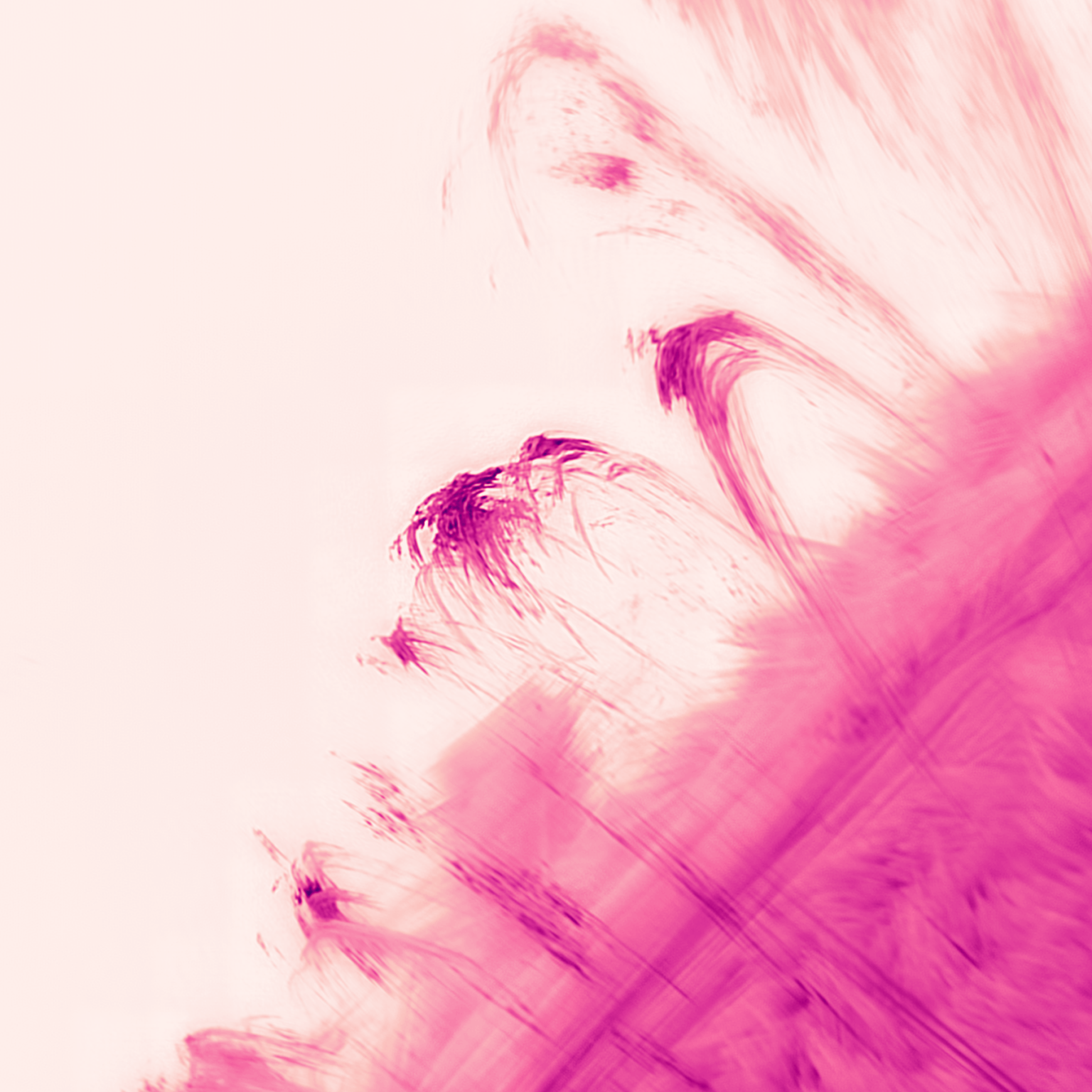
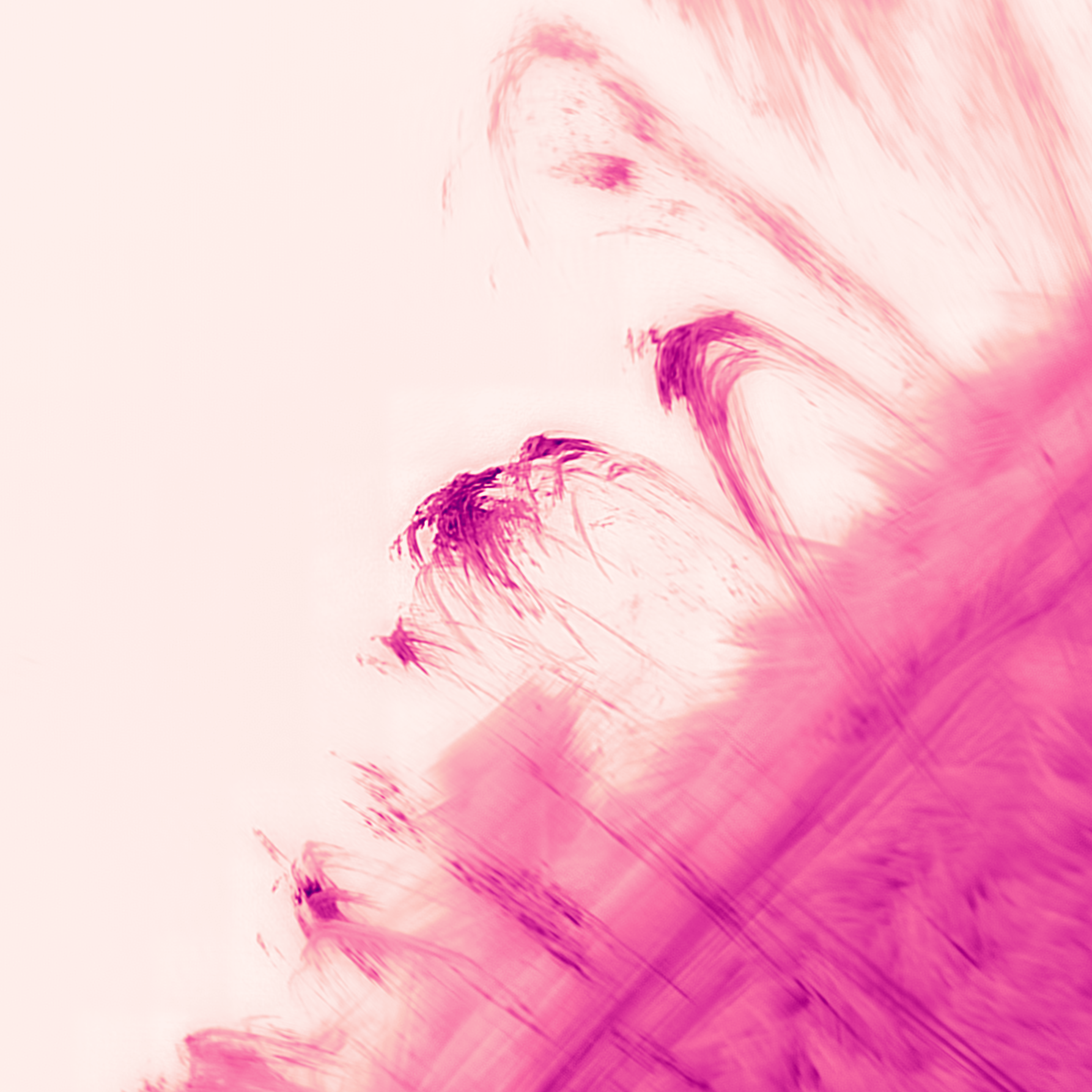
Coronal rain forms when hotter plasma in the Sun’s corona cools down and becomes denser. Like raindrops on Earth, coronal rain is pulled down to the surface by gravity. Because the plasma is electrically charged, it follows the magnetic field lines, which make huge arches/loops, instead of falling in a straight line. This image is a snapshot from a 23-minute time-lapse video which is comprised of the highest resolution images ever made of coronal rain. The scientists show in the paper that the strands can be narrower than 20 kilometers. This image was taken by the Goode Solar Telescope at Big Bear Solar Observatory using the new coronal adaptive optics system Cona. The image shows the hydrogen-alpha light emitted by the solar plasma. The image is artificially colorized, yet based on the color of hydrogen-alpha light, and darker color is brighter light. Credit: Schmidt et al./NJIT/NSO/AURA/NSF

1 Comment
Image from this press release earlier this week
[https://nso.edu/press-release/new-adaptive-optics-shows-stunning-details-of-our-stars-atmosphere/](https://nso.edu/press-release/new-adaptive-optics-shows-stunning-details-of-our-stars-atmosphere/)
Caption provided:
Coronal rain forms when hotter plasma in the Sun’s corona cools down and becomes denser. Like raindrops on Earth, coronal rain is pulled down to the surface by gravity. Because the plasma is electrically charged, it follows the magnetic field lines, which make huge arches/loops, instead of falling in a straight line. This image is a snapshot from a 23-minute time-lapse video which is comprised of the highest resolution images ever made of coronal rain. The scientists show in the paper that the strands can be narrower than 20 kilometers. This image was taken by the Goode Solar Telescope at Big Bear Solar Observatory using the new coronal adaptive optics system Cona. The image shows the hydrogen-alpha light emitted by the solar plasma. The image is artificially colorized, yet based on the color of hydrogen-alpha light, and darker color is brighter light. Credit: Schmidt et al./NJIT/NSO/AURA/NSF