
Friday, June 6, 2025

In an effort to mitigate the challenges posed by increasing visitor numbers, Norway has taken a significant step towards addressing overtourism by introducing a tourist tax. On Thursday, Norwegian lawmakers approved this new measure aimed at tackling the pressures faced by local infrastructure and ensuring that the country remains a sustainable and attractive destination for future travelers. This move reflects a broader trend in Europe and globally, where popular destinations are grappling with the consequences of booming tourism, from overcrowded public amenities to strained local resources.
With the introduction of this tax, Norway aims to balance the needs of its local communities with the desire to keep attracting international visitors. The country has long been one of the top choices for travelers seeking to experience its breathtaking fjords, stunning natural landscapes, and charming towns. However, this popularity has come with its own set of challenges, particularly as local infrastructure in high-tourism areas has become increasingly overburdened.
The New Tourist Tax: What Does It Entail?
The new tax, which applies to lodging accommodations, will see a three percent surcharge added to hotel stays. This measure is designed to help offset the strain that rising visitor numbers have placed on public services and amenities in tourist hotspots. The tax will be levied on all forms of accommodation, from hotels and resorts to more basic lodging options, providing a consistent revenue stream to fund improvements across the country’s tourism infrastructure.
Additionally, this tourist tax could be extended to cruise ships that make stops in Norwegian ports. The country’s coastal towns and cities, such as Oslo and Bergen, are particularly impacted by the influx of cruise passengers, and local governments have been vocal about the need for additional resources to accommodate such visitors. Cruise tourism, while a significant driver of revenue, also contributes to environmental pressures and infrastructural congestion, which the new tax aims to address.
The Growth of Tourism and Its Impact on Norway
Tourism in Norway has seen a significant increase in recent years, driven by the country’s growing global reputation as a prime destination for nature-based experiences, outdoor adventures, and cultural exploration. In 2024, Norwayregistered a record 38.4 million night stays, with more than 12 million of these being from foreign visitors. The popularity of the country’s famous fjords, particularly the Geirangerfjord and Nærøyfjord, has contributed to this surge in tourism.
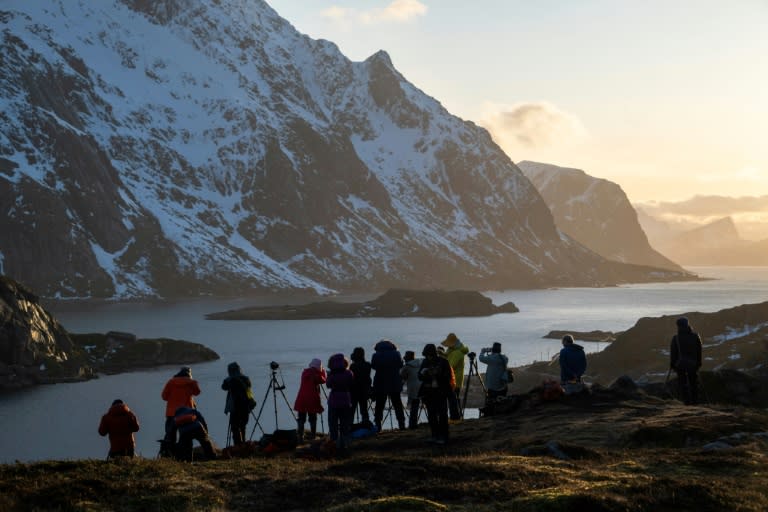
This boom in visitation, while economically beneficial, has placed increasing pressure on local infrastructure. Public toilets, parking facilities, and basic services in popular destinations have become overwhelmed, leading to tensions between tourists and local residents. Overcrowding has not only impacted the quality of life for residents but has also begun to detract from the overall visitor experience. In areas such as Lofoten Islands, Tromsø, and the Vesterålen, these issues have become increasingly pronounced, sparking debates about the sustainability of current tourism practices.
The tourist tax aims to directly address these challenges by generating revenue for much-needed improvements in tourism infrastructure, which will help ensure that Norway continues to be an appealing and functional destination. By using the funds generated from the tax, local governments hope to improve facilities such as public restrooms, parking spaces, and waste management systems, ensuring that the infrastructure can support the growing number of tourists without negatively affecting the local quality of life.
The Role of Sustainable Tourism in Norway’s Strategy
Norway has long positioned itself as a leader in sustainable tourism, emphasizing its commitment to preserving its natural beauty while offering authentic experiences for visitors. However, the increasing strain on resources calls for a reassessment of how the country manages its tourism. The introduction of a tourist tax is part of this broader strategy to encourage more responsible and sustainable tourism.
The funds collected from the tax will be specifically earmarked for improvements to tourism infrastructure, which could include enhancing public transport, building sustainable energy-powered facilities, and developing eco-friendly projects that align with Norway’s environmental goals. These measures will not only improve the visitor experience but also contribute to Norway’s long-term commitment to preserving its natural landscapes.
By focusing on infrastructure improvements that directly benefit both locals and tourists, Norway is setting a precedent for how other countries facing similar challenges can balance economic growth with sustainability. The new tax aligns with the growing global conversation around sustainable tourism, where destinations are increasingly looking to create experiences that benefit both the environment and the community.
Implications for the Travel Industry: A Shift Towards Responsible Travel
The introduction of a tourist tax in Norway comes at a time when the travel industry is increasingly focusing on sustainability and responsible tourism. The growing popularity of eco-conscious travel options, such as sustainable hotels, green tours, and carbon offset programs, has led travelers to be more discerning about where and how they travel.
For the travel industry, this shift towards responsible tourism is a sign that businesses will need to adapt. Tour operators, hoteliers, and tourism boards must increasingly promote destinations and experiences that prioritize sustainability, offering travelers the opportunity to engage in responsible travel practices that minimize their environmental footprint.
In practical terms, this could mean that travel agencies may start promoting destinations like Norway, where the country’s tourist tax helps fund eco-friendly initiatives and infrastructure improvements. Eco-conscious tourists, who prioritize environmental sustainability and social responsibility, may find Norway’s efforts to maintain a balance between tourism and conservation especially appealing.
At the same time, the introduction of such a tax could lead to increased costs for tourists, especially those traveling with families or on tight budgets. For travelers, this could make destinations like Norway less affordable for certain groups. However, if the additional costs lead to improved infrastructure and a better quality of experience, many travelers may see the tax as a necessary investment in maintaining the integrity of their vacation.
The Global Impact: A Ripple Effect on Other Popular Destinations
Norway’s decision to introduce a tourist tax is likely to inspire other popular travel destinations facing similar challenges to follow suit. In Europe, cities like Venice, Barcelona, and Amsterdam have already implemented or proposed tourist taxes as a way to combat overcrowding and support infrastructure development. These cities have experienced significant surges in visitors in recent years, leading to problems with over-tourism, particularly in historic areas, public spaces, and local neighborhoods.
As global tourism continues to rise, countries and cities will increasingly face the dilemma of balancing the influx of visitors with the needs of local communities and the preservation of cultural heritage. In this context, Norway’s approachoffers a potential model for other destinations looking to implement similar measures. By earmarking tax revenue for infrastructure improvements, Norway provides a blueprint for how tourist taxes can be used as part of a broader strategy to ensure long-term sustainability in the travel sector.
The Evolution of Overtourism: Changing the Narrative Around Tourism
The issue of overtourism has become a focal point in the global tourism discourse. From overcrowded cities to environmental degradation, the negative impacts of uncontrolled tourism are becoming more apparent, and countries like Norway are taking proactive steps to address these concerns. However, the tourist tax is just one part of a larger conversation about how tourism can evolve to meet the needs of modern travelers while also protecting local communities and natural resources.
In tourism studies, the focus has traditionally been on economic impact—how tourism drives revenue and job creation. But as overtourism becomes a more pressing issue, the industry is increasingly looking at the quality of tourism experiences rather than simply the quantity of visitors. Norway’s tourist tax is a response to this shift, aiming to create a more balanced and sustainable approach to tourism. By raising funds for infrastructure improvements, the tax can improve the overall tourism experience without sacrificing the authenticity of local cultures or the integrity of natural landscapes.
This approach is part of a broader global movement within the travel industry towards more mindful and sustainable tourism. Destinations that embrace this shift can differentiate themselves by offering quality experiences that respect both the environment and local cultures, appealing to a growing market of responsible travelers.
What’s Next for Norway’s Tourism Industry?
As Norway adapts to the evolving needs of travelers, the success of its tourist tax will largely depend on how effectively it can reinvest the revenue into infrastructure projects that enhance the visitor experience. The Tourism Authority of Norway (TAT) has emphasized the importance of improving the quality of tourist experiences, not just the quantity, and this policy shift could help reshape the country’s tourism industry for the better.
The future of Norway’s tourism industry will likely be centered on sustainability, responsible travel, and long-term infrastructure development. By balancing the needs of local communities, travelers, and businesses, the country is poised to lead the way in creating a more equitable and sustainable tourism model.
(Source: AFP)
Tags: environmental sustainability, explosion, Infrastructure, norway, overtourism, responsible tourism, sustainable tourism, tourism policy, Tourist tax, travel industry, Visitor Experience
