Solar surpasses nuclear for first time, contributes 10% of global power in April 2025
https://energy.economictimes.indiatimes.com/news/renewable/solar-surpasses-nuclear-for-first-time-contributes-10-of-global-power-in-april-2025/121717062

Solar surpasses nuclear for first time, contributes 10% of global power in April 2025
https://energy.economictimes.indiatimes.com/news/renewable/solar-surpasses-nuclear-for-first-time-contributes-10-of-global-power-in-april-2025/121717062
9 Comments
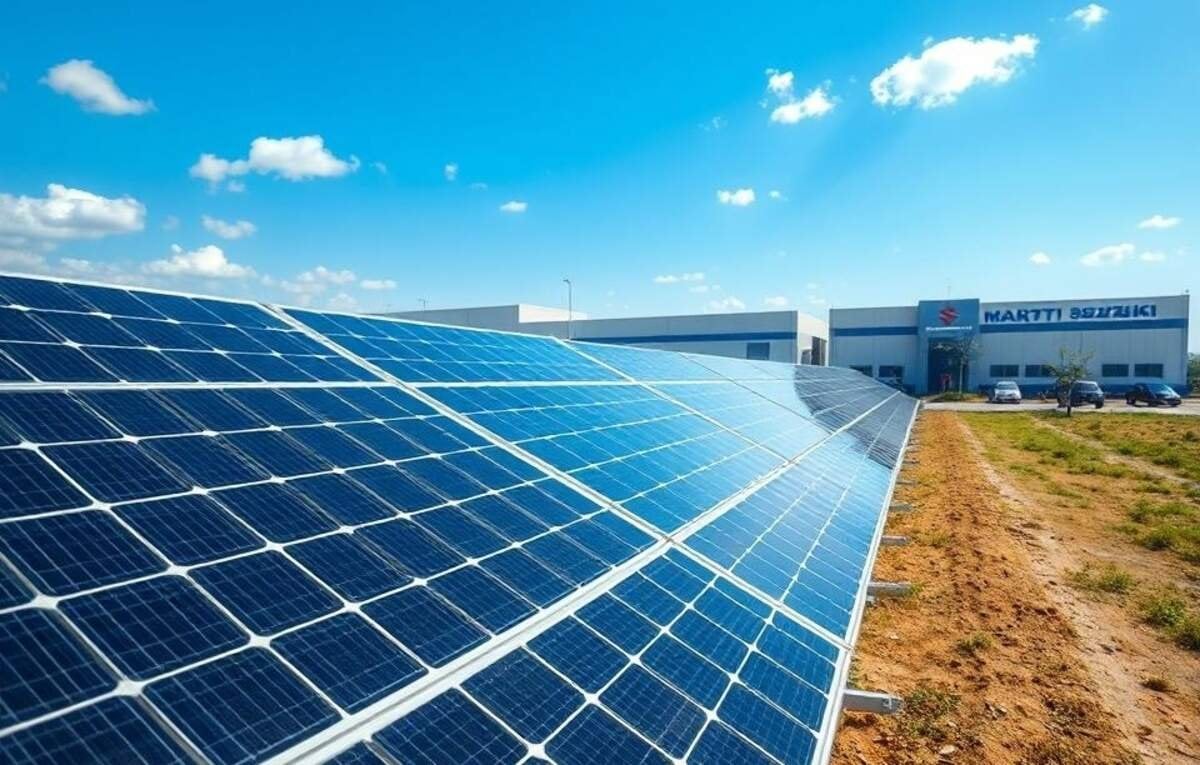
Solar power generated 10 per cent of global electricity in April 2025, its highest-ever monthly share and the first time it overtook nuclear energy, according to Ember’s Electricity Data Explorer.
The data shows that solar power was the fourth-largest source of global electricity generation in April 2025, surpassing both wind and nuclear for the first time on record.
The new milestone places solar behind only coal, gas and hydro in global generation rankings. This is the first month in recorded history where solar energy exceeded nuclear in electricity output.
Always amazed at how fast Solar has grown. Seeing it gives me badly needed hope in the future.
Yeah, on a bright month, during the day, for a little bit, you can surpass. But night and winter follow.
I want BOTH nuclear and solar to grow in order to surpass fossil fuels.
We’re well past the tipping point on PV efficiency. Now the limiting factors are how much surface area we ~~can~~ decide to build and how quickly. And as efficiency accelerates up those limits will also come down.
This is great!
I’ve been looking into getting a personal setup but don’t have a means as I’m still in an apartment.
Wondering though where in the chain this is measured, either theoretical calculated by overall panels in use, and avg sun exposure. Actual, at the panel/field prior to storage or after storage?
Though, as I’m writing this, do solar fields have power storage or do they typically direct connect to the grid to offset other generation sources during the day?
These sort of articles almost never mention the percentage of global direct primary energy consumption and use that electricity generation comprises.
>Electricity currently represents about 20% of global final energy consumption, a figure that has increased from 18% in 2015. This increase is driven by growing electricity demand in various sectors, including residential, transportation, and data centers. However, to meet ambitious decarbonization targets, the share of electricity in final energy consumption needs to rise to nearly 30% by 2030, according to IEA’s Net Zero Emissions by 2050 Scenario.
Here’s the graph as a reminder of the mountain we still have to climb, and the curve that needs to be flattened.
[https://ourworldindata.org/grapher/global-primary-energy](https://ourworldindata.org/grapher/global-primary-energy)<— Most important graph in the world.
10% of 20% = 2% in total for global energy. It’s better than 1% but that’s where we are after all these years of ‘progress’.
OK, I don’t want to rain on the parade, but are we talking about actual generated megawatt hours of SOLAR or are we talking about installed capacity? There is a huge difference between the two. Replacing a 300 megawatt coal generating station with a 300 megawatt solar facility generally means that only about 10-15% of the power being supplied comes from solar, with the rest being generated by the gas turbine generators which are part of the facility.
AFAIK, technically speaking, solar contributes 100% to our energy budget.