
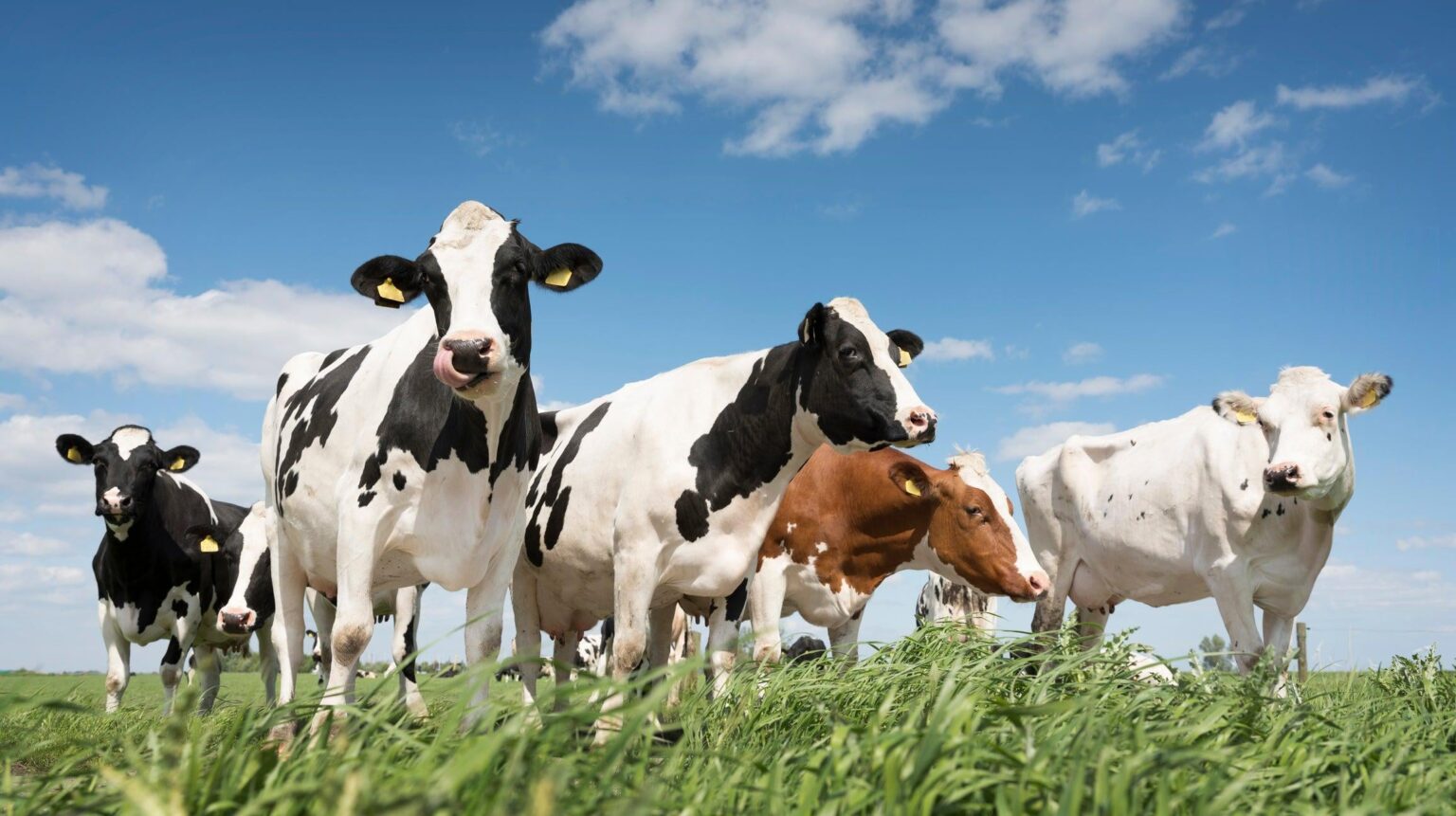
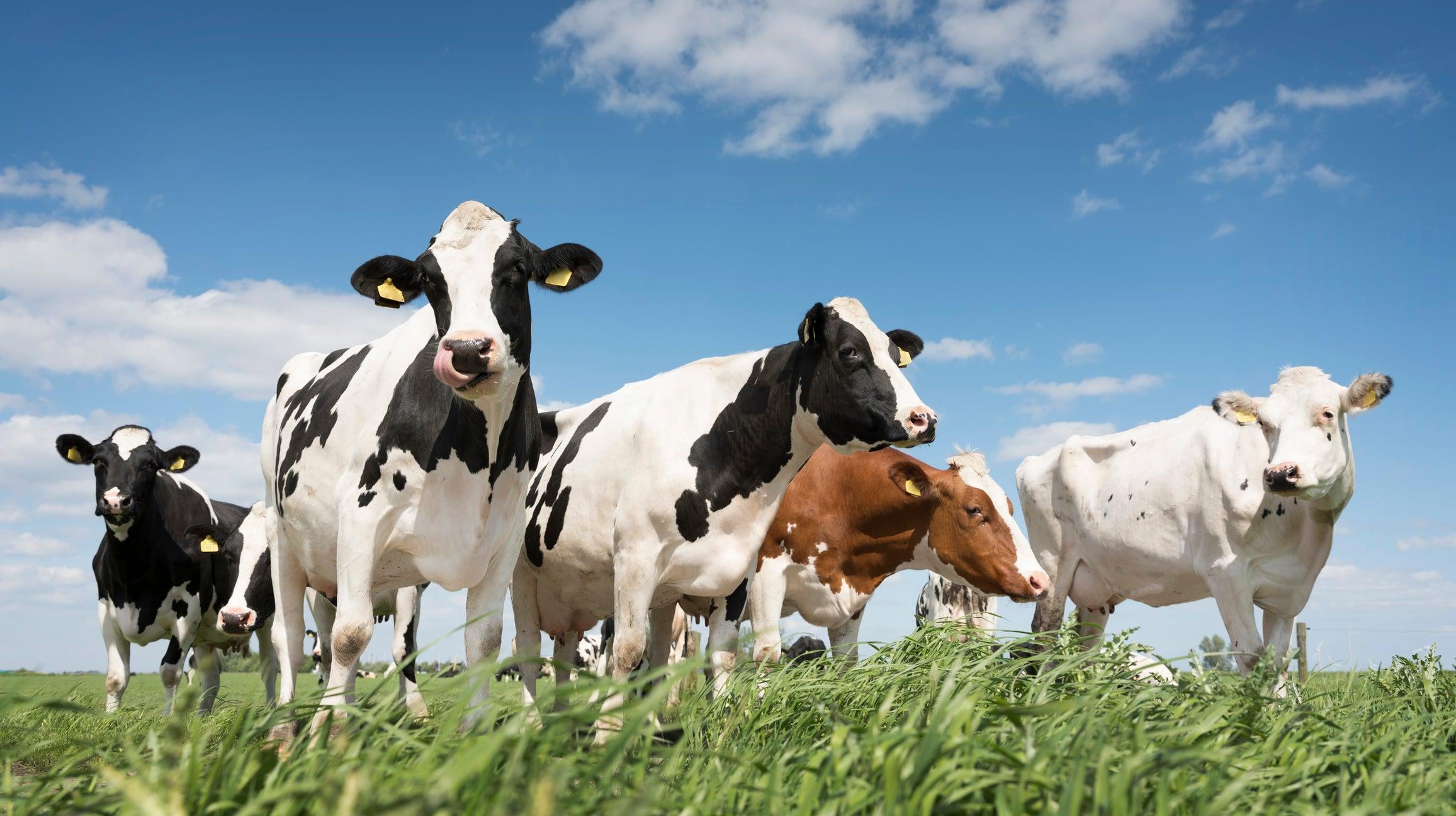
A California dairy farm tried to capture its methane. It worked. The study shows dairy digesters to capture and re-use methane produced by cows can reduce atmospheric methane emissions by roughly 80%. The gas is not just from the burps cows emit after eating, but from the way their manure is stored.
https://news.ucr.edu/articles/2025/06/11/california-dairy-tried-capture-its-methane-it-worked
2 Comments
**A California dairy tried to capture its methane. It worked.**
Sealing manure ponds at a Central Valley farm cut emissions dramatically
A giant, balloon-like tarp stretches over a lagoon of manure on a Central Valley dairy farm, concealing a quiet but remarkable transformation. Methane, a potent climate-warming gas, is being captured and cleaned instead of released into the atmosphere.
A new study from researchers at the University of California, Riverside shows the effectiveness of dairy digesters, which are manure ponds tightly sealed to capture and re-use the methane they produce. The study shows these systems can reduce atmospheric methane emissions by roughly 80 percent, a result that closely matches estimates California state officials have used in their climate planning.
The findings, published in Global Change Biology Bioenergy, come as California ramps up investment in methane control technologies to meet its goal of cutting emissions 40 percent below 2013 levels by the end of the decade. More than 130 of these systems are now operating across California dairies, but until now, their real-world performance hadn’t been verified this rigorously.
The team focused on a family-run dairy farm in Tulare County, a hot and dry region in the San Joaquin Valley that produces more milk than any other county in the United States. The researchers conducted mobile atmospheric measurements around the farm for a year before and a year after the digester system was installed in 2021, collecting hundreds of data points from a van equipped with precision gas sensors.
Methane is more than 80 times as potent as carbon dioxide at warming the atmosphere over a 20-year time frame. In California, much of the methane comes from dairy cows. **The gas is not just from the burps they emit after eating, but from the way their manure is stored. When manure is held in open, water-filled pits, it breaks down without oxygen and emits methane into the air.**
Here’s the link to the peer reviewed journal article:
https://onlinelibrary.wiley.com/doi/10.1111/gcbb.70047
In an ideal world, we would have Kelp farms in the sea sequestering carbon, that seaweed so then incorporated into the feed for cows which reduces methane emissions – with any remaining methane captured this way.
Sources: https://www.ucdavis.edu/food/news/feeding-grazing-cattle-seaweed-cuts-methane-emissions-almost-40#:~:text=Seaweed%20is%20once%20again%20showing,affecting%20their%20health%20or%20weight.
https://www.sciencedirect.com/science/article/pii/S0048969724006624