

Members of Apache tribe continue fight for Oak Flat
A group called Apache Stronghold recently sued the U.S. Forest Service to stop a land swap between the federal government and a copper mine.
- The U.S. Forest Service released the final environmental impact statement for a proposed copper mine at Oak Flat east of Phoenix.
- The document was required for Resolution Copper to complete a land exchange that will allow the company to extract copper from the site.
- Indigenous communities consider Oak Flat sacred, and use the land for religious ceremonies. Tribes have challenged the mine project, and have tied it up in courts.
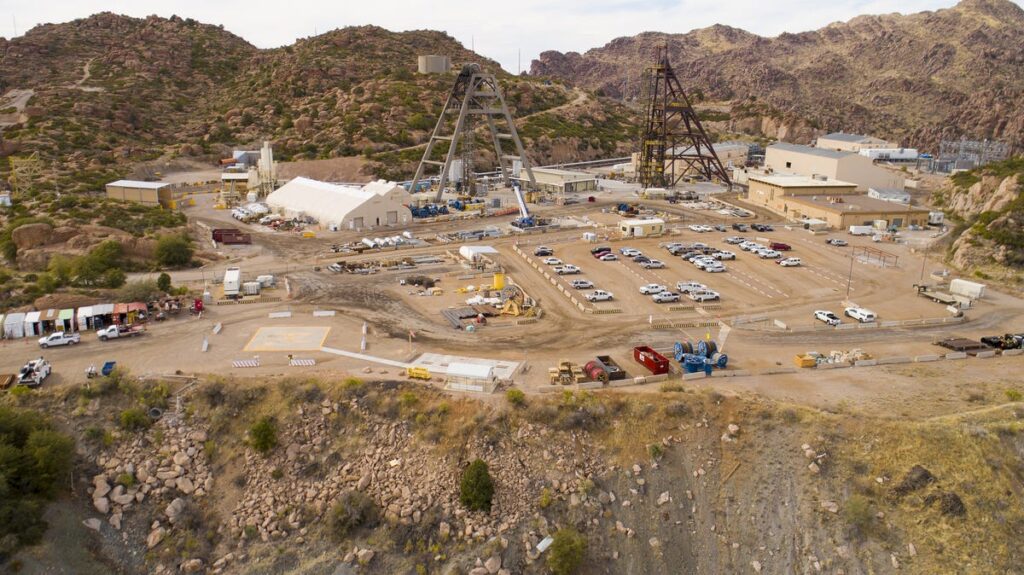
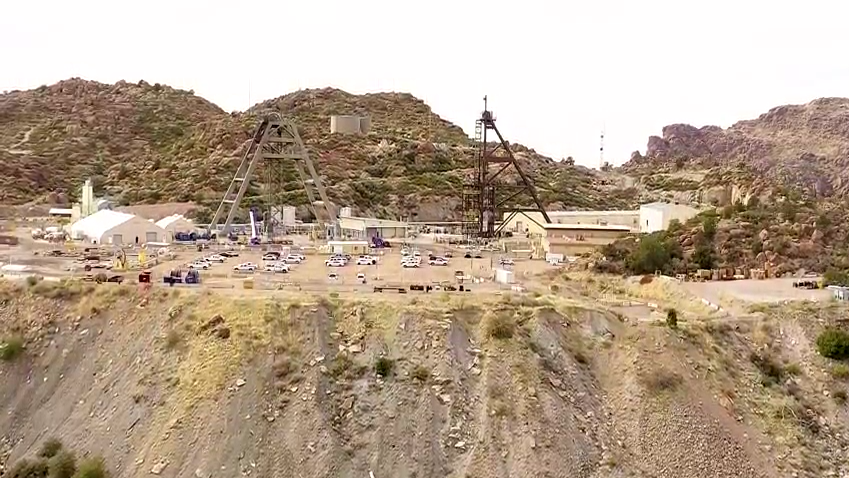
The U.S. Forest Service has released the final environmental review for a huge copper mine proposed 60 miles east of Phoenix, marking one of the final steps toward a controversial land exchange that has been embroiled in legal challenges over its potential damage to land held sacred by Indigenous communities.
The document, known as a Final Environmental Impact Statement, is a six-volume review of the proposed Resolution Copper mine at Oak Flat, a parcel of land in the Tonto National Forest.
In 2014, Congress approved the land exchange, requiring the federal government to transfer ownership of over 2,400 acres to Resolution Copper, a multinational company, in exchange for over 5,000 acres of ecologically valuable land within Arizona. The law says the trade must occur within 60 days after the publication of a Final Environmental Impact Statement.
At over 2,500 pages, the document is at the center of a long legal battle, including two recent lawsuits seeking to stop the transfer of federal land to the multinational mining company, one brought by a coalition of environmental groups and the other by the San Carlos Apache Tribe.
The original environmental impact statement was published in 2021, but was rescinded by President Joe Biden for further tribal consultation.
The document will be officially posted in the Federal Register on June 20, initiating the 60-day countdown for the land to be transferred. On June 9, a federal judge in Arizona ruled the Forest Service may not transfer the land until the end of the 60-day period, giving the plaintiff groups time to review the large document.
Pending future legal action, the date for the land transfer has been set for August 19.
Opponents: Mine will harm the land, benefit big companies
The controversial mine, owned by international conglomerates BHP and Rio Tinto, would extract one of the largest undeveloped copper deposits in the world, and would, the company says, create hundreds of jobs and contribute millions to local, state and national economies.
“This project has undergone one of the most comprehensive environmental and social reviews in U.S. history. The republication of the FEIS reflects the thorough work by the USFS, local communities, and Native American Tribes and the seriousness with which all stakeholders have approached this process,” said Vicky Peacey, general manager of Resolution Copper, in a news release.
“We remain committed to earning trust through transparency, engagement, and responsible development as we move forward,” said Peacey.
The mine would also form a crater approximately 2 miles wide and 1,000 feet deep, and destroy Oak Flat, also known as Chi’chil Biłdagoteel, which is held sacred by the San Carlos Apache Tribe and other Indigenous communities and is the site of religious ceremonies.
Opponents of the mine say the huge project will also destroy rare wetland habitats and deplete ground and surface water.
“We are reviewing the environmental impact statement now, but think it is highly unlikely the Forest Service addressed the significant issues with the prior document or corrected its deficiencies,” said Sandy Bahr, director of the Sierra Club Grand Canyon chapter, one of the groups involved with the lawsuit.
“This proposed land exchange will provide enormous financial benefits to these mining companies and cause significant harm to Oak Flat and to the public that cannot be mitigated,” said Bahr.
Trump prioritizes Resolution Copper mine as legal challenges continue
In April, the Trump administration added the Resolution Copper mine, along with nine other projects, to a priority permitting list to increase the domestic production of critical minerals in accordance with an executive order signed in March.
“The Resolution Copper Project is a prime example of how we can harness America’s abundant resources to fuel growth in rural America, reduce our dependence on foreign imports, strengthen our supply chains, and enhance our national security,” said Agriculture Secretary Brooke Rollins, in a news release. “By advancing responsible mining, we are fulfilling President Trump’s vision of ensuring America remains a global leader in mineral production while creating jobs for the people and communities we serve.”
According to the USDA, the mine is projected to create nearly 1,500 jobs, provide between $80 and $120 million a year in estimated state and local tax revenue for rural economies, and contribute $200 million a year to the federal government.
Because the United States lacks smelting capacity, opponents of the mine say the project will ultimately benefit global markets, as the multinational company is likely to send the copper ore overseas for processing.
For over a decade, Oak Flat has been the subject of debate over religious freedoms, environmental conservation, mining reform and the green energy revolution.
In May, the U.S. Supreme Court declined to hear the lawsuit brought by grassroots group Apache Stronghold, which argued the land swap was a violation of their rights under the First Amendment and Religious Freedom Restoration Act.
John Leos covers environmental issues for The Arizona Republic and azcentral. Send tips or questions to john.leos@arizonarepublic.com.
Environmental coverage on azcentral.com and in The Arizona Republic is supported by a grant from the Nina Mason Pulliam Charitable Trust.
Follow The Republic environmental reporting team at environment.azcentral.com and @azcenvironment on Facebook and Instagram.