
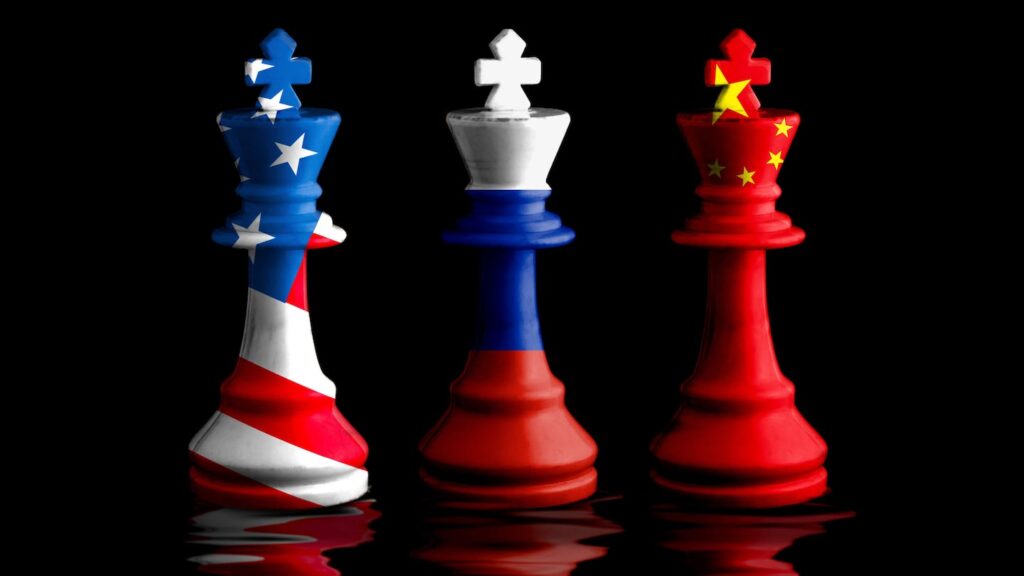
Re “What would the world be like with three superpowers?” by Stephen Kinzer (Ideas, June 15): From a physics perspective, a balance of forces is critical for stability. During NATO’s bombing of Serbia in 1999, which was widely condemned as illegal, the United States lost the moral right to be the self-appointed “policeman of the world.” The United States demonstrated that unipolar actions without UN approval are dangerous, since they essentially destroyed international law and the notion of the inviolability of national borders and sovereignty.
The message was clear that Yugoslavia was a trial case for what the West would do to Russia, and Russia has been preparing since then, even following America’s lead by recognizing Crimea’s independence.
China understands that if Russia is ever conquered by the West, it will be next, and thus these two nations have been brought ever closer to one another as allies fighting their common enemy: the United States.
Like Gulliver and the Lilliputians, America cannot control the entire world. Since 1999, the world has been in an imbalance as the United States has sought to assert its hegemony in the Middle East, Eastern Europe, Africa, Asia, and elsewhere, to great consternation of the local affected peoples. America has grown much poorer in the process, with costly warmongering abroad at a time when domestic problems and division have dramatically grown.
America should not fight the emergence of Russia and China. Instead of squandering much blood and treasure in preventing this, the United States should reset relations with these emerging superpowers and create a model of shared governance and coexistence that will spare humanity from World War III.
Michael Pravica
Henderson, Nev.