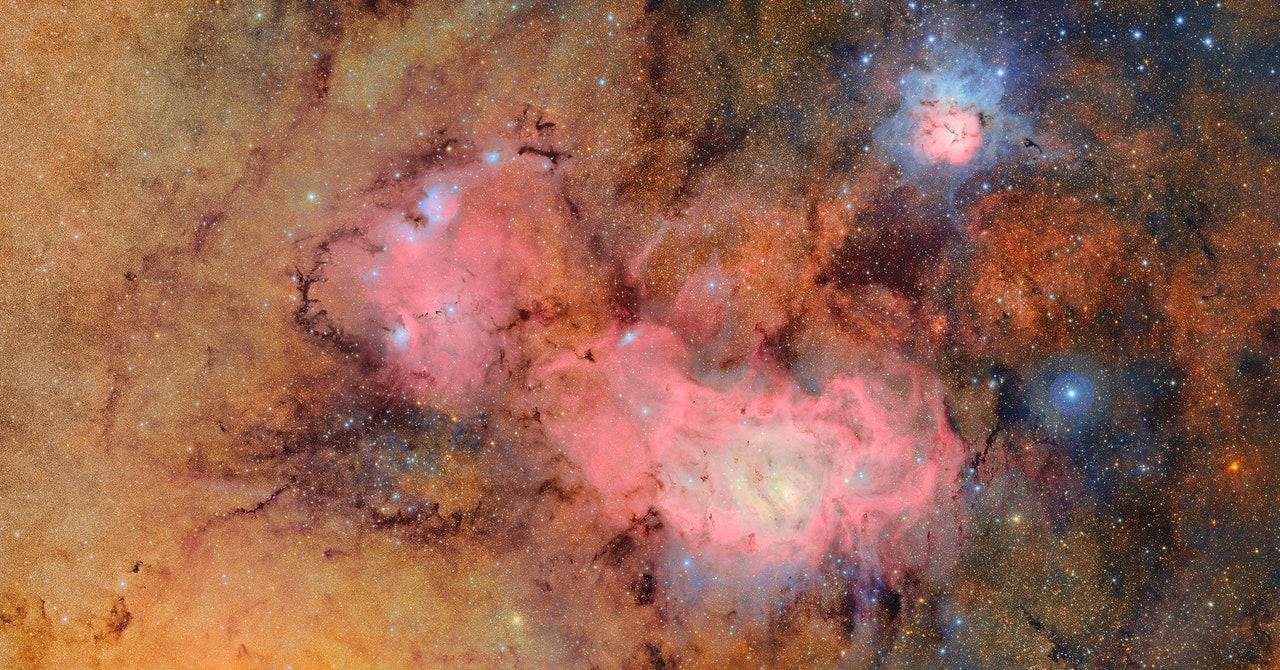
The Largest Camera Ever Built Releases Its First Images of the Cosmos
https://www.wired.com/story/opening-of-the-vera-rubin-observatory/

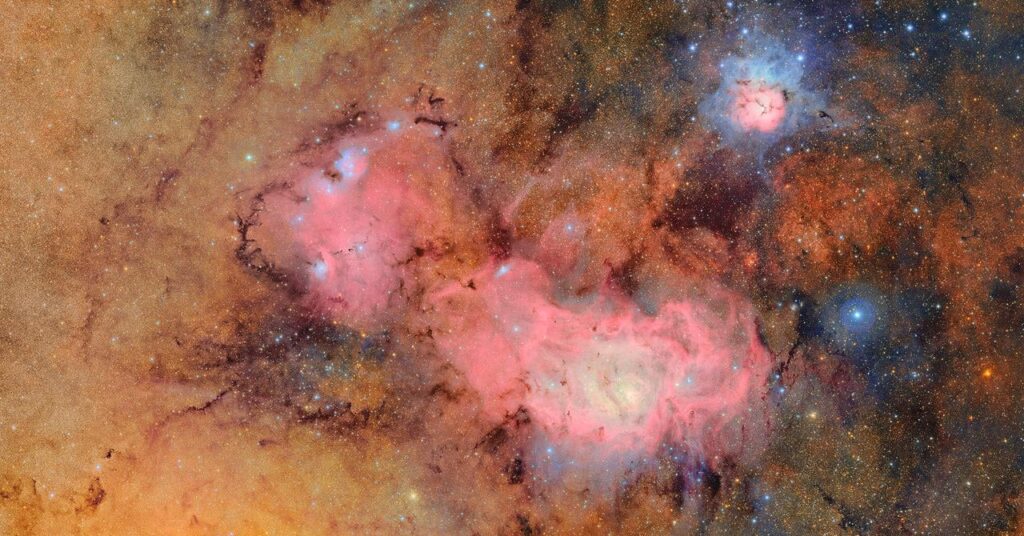
The Largest Camera Ever Built Releases Its First Images of the Cosmos
https://www.wired.com/story/opening-of-the-vera-rubin-observatory/
4 Comments
Perched atop the Cerro Pachón mountain in Chile, 8,684 feet high in the Atacama Desert, where the dry air creates some of the best conditions in the world to view the night sky, a new telescope unlike anything built before has begun its survey of the cosmos. The Vera C. Rubin Observatory, named for the astronomer who [discovered evidence of dark matter in 1978](https://ui.adsabs.harvard.edu/abs/1978ApJ…225L.107R/abstract), is expected to reveal some 20 billion galaxies, 17 billion stars in the Milky Way, 10 million supernovas, and millions of smaller objects within the solar system.
“We’re absolutely guaranteed to find something that blows people’s minds,” says Anthony Tyson, chief scientist of the Rubin Observatory. “Something that we cannot tell you, because we don’t know it. Something unusual.”
This tremendous astronomical haul will come from the observatory’s 10-year [Legacy Survey of Space and Time](https://rubinobservatory.org/explore/how-rubin-works/lsst), which is slated to begin later this year. The first science images from the telescope were released to the public today.
Read more: [https://www.wired.com/story/opening-of-the-vera-rubin-observatory/](https://www.wired.com/story/opening-of-the-vera-rubin-observatory/)
Sounds cool
“Housed in a 10-story building, the Rubin Observatory is equipped with an 8.4-meter primary mirror and a 3,200-megapixel digital camera, the largest ever built. The telescope rotates on a specialized mount, taking 30-second exposures of the sky before quickly pivoting to a new position. Rubin will take about 1,000 images every night, photographing the entire Southern Hemisphere sky in extraordinary detail every three to four days.”
I wonder how they compensate for starlink in every photo
The amount of data generated each capture and each night is crazy. I hope they manage to find an efficient storage method that is lossless maybe by doing deltas or wavelet compression.