
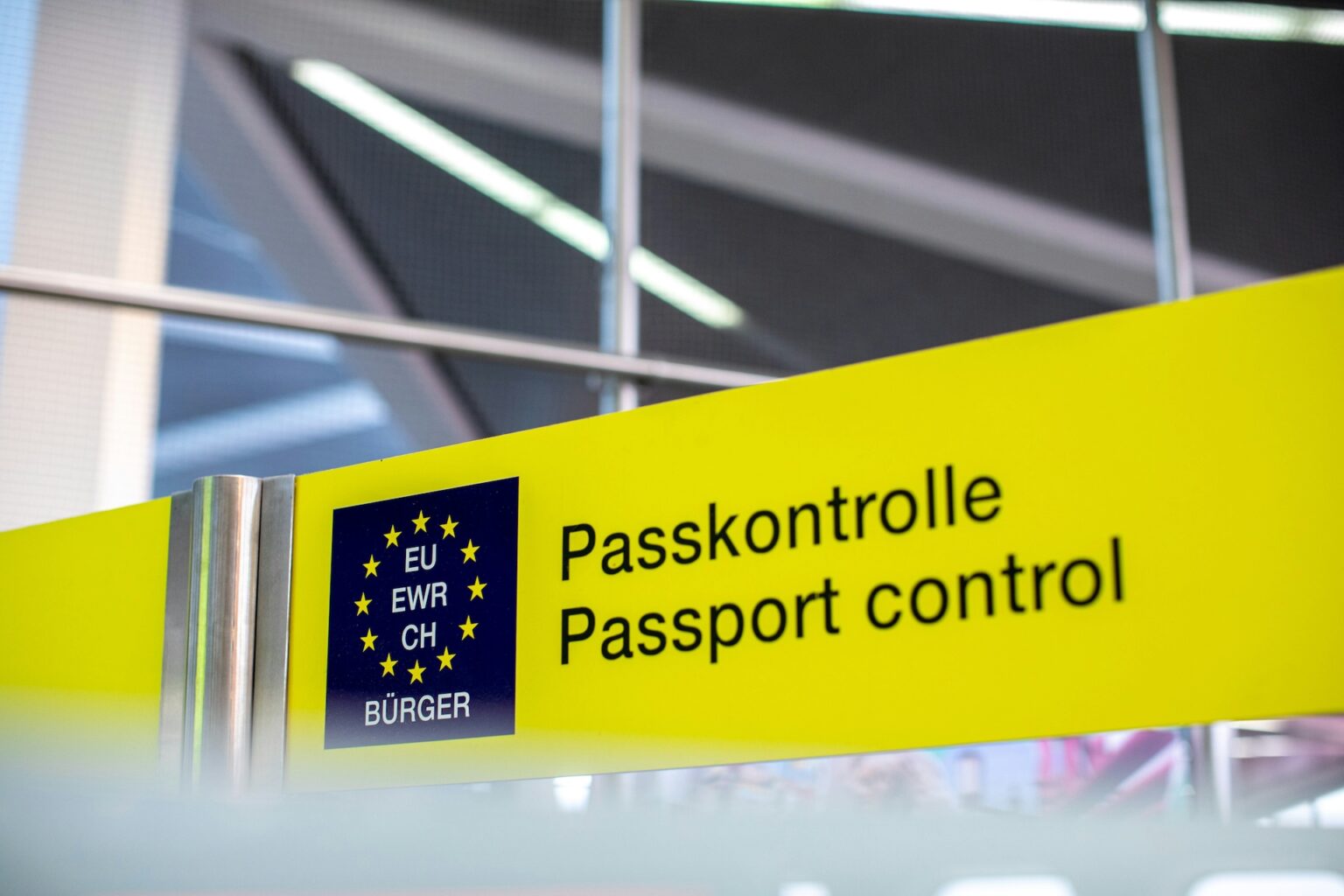
Belgium is reintroducing internal border checks this summer amid growing concerns over migration across Europe, and putting further strain on the EU’s flagship Schengen free-travel zone.
The government of Belgium announced the move in response to a sharp increase in asylum applications and mounting frustration over so-called “secondary migration,” where people who already have asylum status or claims in one EU country continue travelling to others.
The decision followed months after similar measures were taken in neighbouring Germany and France. Bernard Quintin, the Belgian Interior Minister, said that the goal is to regulate illegal migration flows: «We are assuming our responsibilities by carrying out strict and targeted checks at strategic crossroads», he emphasised.
✅ Le gouvernement décide de contrôles internes ciblés et renforcés pour :
1️⃣ Lutter contre l’immigration illégale.
2️⃣ Combattre la criminalité transfrontalière.
👉 C’est une priorité de ce Gouvernement. Nous assumons nos responsabilités !
— Bernard Quintin (@BernardQuintin_) June 19, 2025
In 2024, Belgium received 39,615 asylum applications — an 11.6% rise compared to the previous year — yet its reception system is already stretched thin, as it can only accommodate around 35,600 people, leaving many without a place to stay.
Inspections would be targeted at the major roads, motorway service areas, key train routes such as Brussels-South station, bus routes, specifically the La Panne–Dunkirk itinerary, and on international trains and flights arriving from countries under migration pressure, like Italy and Greece.
Interior Minister Bernard Quintin (C) pictured at a visit to the border control, during the presentation of the summer plan of the aviation police at Brussels Airport 📷 © Belgaimage / Benoit Doppagne. pic.twitter.com/FhxWtkwWBF
— Belgaimage (@BelgaImage) June 16, 2025
“We are fulfilling our responsibilities by carrying out strict and targeted checks at strategic intersections,” Quintin said. “This allows us to combat illegal migration flows, prevent the shift of migratory pressure toward Belgium, and strengthen internal security.”
Junior Migration Minister Anneleen Van Bossuyt has confirmed the measures, sharing a post on X: “Time for entry controls. Belgium must not be a magnet for those stopped elsewhere,” she said, referring to asylum seekers who bypass other EU countries to settle in Belgium. “Our message is clear: Belgium will no longer tolerate illegal migration and asylum shopping.”
✅ Tijd voor binnenkomstcontroles. België mag geen magneet zijn voor wie elders wordt tegengehouden. Onze boodschap is helder: België zal illegale migratie en asielshoppen niet meer tolereren. pic.twitter.com/9629UA0mvV
— Anneleen Van Bossuyt (@anneleen_vb) June 19, 2025
While border controls will be reinstated in several areas, Belgium has decided not to apply them along its border with Luxembourg. In the press release, Luxembourg’s Home Affairs Ministry confirmed that the Belgian minister gave reassurances that there are no such plans for their shared border.
Belgium is now the 11th Schengen country to reintroduce internal checks, including Germany, France, Austria, and the Netherlands — all citing migration and security concerns. Though such measures are temporarily permitted under Article 23 of the Schengen Borders Code during exceptional circumstances, they challenge the core principle of free movement within the EU.
The timing of Belgium’s announcement has drawn some criticism, coming just weeks after the 40th anniversary of the Schengen Agreement. Some EU officials warn that what were supposed to be temporary border controls are at risk of becoming a long-term feature across the bloc.
🎙️ ❝ I think it’s important that we use all the leverages we have to have more effective readmission cooperation ❞
➖ 🇧🇪 minister for asylum and migration @anneleen_vb ahead of the Justice & Home Affairs Council #JHA pic.twitter.com/ucniURdX4G
— Belgium in the EU (@BelgiuminEU) June 13, 2025
The European Commission has previously expressed concern about the “temporary” nature of such measures becoming semi-permanent. The decision comes amid a wider shift in Belgian migration policy, reflecting the stance of Prime Minister Bart De Wever’s Flemish nationalist-led government, which took office in February on a platform of stricter immigration control.
With the summer holiday season approaching, travellers can anticipate more identity checks and queries on trips that previously felt relaxed and domestic. However, Belgian authorities clarify that the goal is not to seal off travel but to maintain internal security and restore order at the borders.