Scientists use bacteria to convert plastic into paracetamol
https://english.elpais.com/science-tech/2025-06-23/scientists-use-bacteria-to-convert-plastic-into-paracetamol.html

Scientists use bacteria to convert plastic into paracetamol
https://english.elpais.com/science-tech/2025-06-23/scientists-use-bacteria-to-convert-plastic-into-paracetamol.html
5 Comments
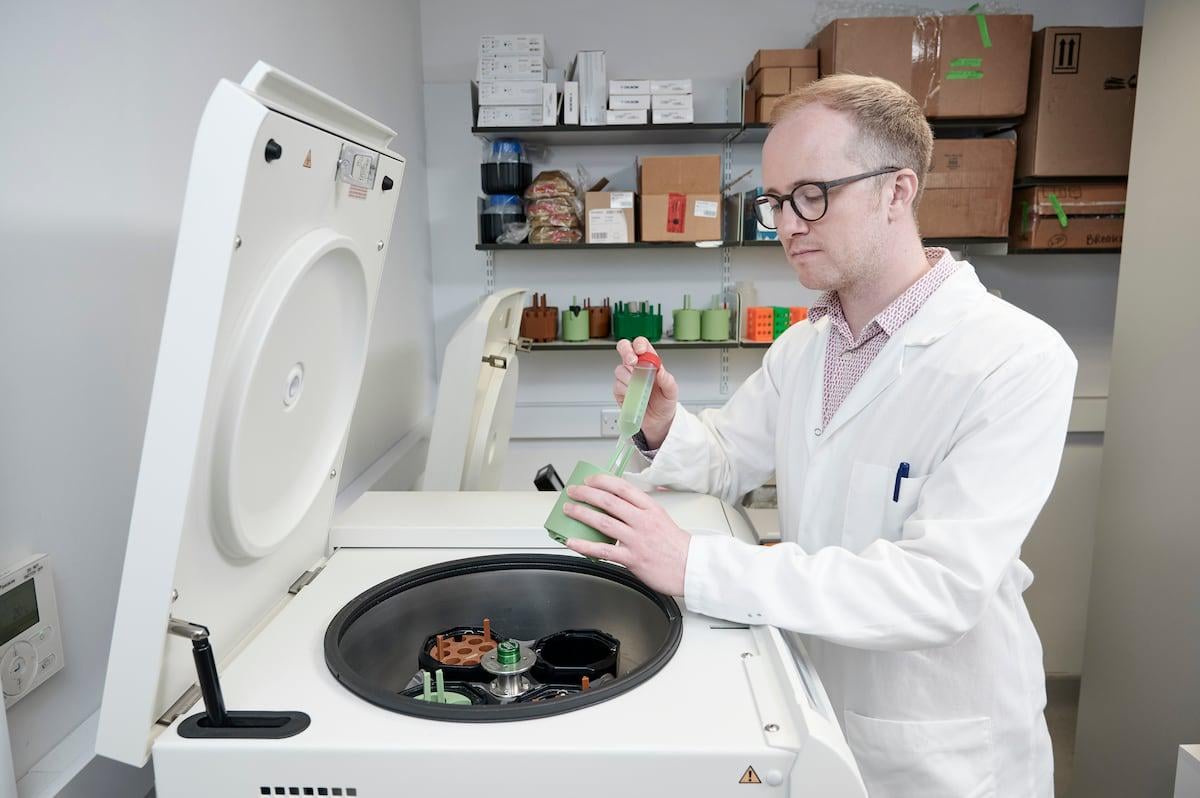
A bacterium eats a plastic bottle and, once the waste is inside its structure, the cell ferments it as if it were beer and turns it into paracetamol. That’s a simplified summary of a scientific study — published Monday in the journal Nature — in which classical chemistry is used in a “completely new” way for the first time, according to lead author Stephen Wallace.
He explains the breakthrough:
>By using living microbes, we performed sophisticated chemical transformations, which could open up new, greener, and more sustainable ways to produce valuable materials, such as medicines, from waste.
Yes, please. Shoot me up with a dose so they can convert my microplastics to lower back relief.
Just imagine if instead of Paracetamol it was Cocaine or meth.
And then they wonder why there are micro plastics in semen
I’m waiting for the M Night Shyamalan movie where plastic-eating bacteria escapes the lab and begins eating everyone’s endless collection of unmatched Tupperware.