Mysterious fast radio burst turns out to be from long-dead NASA satellite
https://phys.org/news/2025-06-mysterious-fast-radio-dead-nasa.html

Mysterious fast radio burst turns out to be from long-dead NASA satellite
https://phys.org/news/2025-06-mysterious-fast-radio-dead-nasa.html
8 Comments
# TLDR:
* Astronomers detected an unusually strong fast radio burst (FRB) on June 13, 2024. Initially, they presumed this powerful, short-lived pulse, which eclipsed other celestial signals, originated from a distant cosmic source, as is typical for most FRBs.
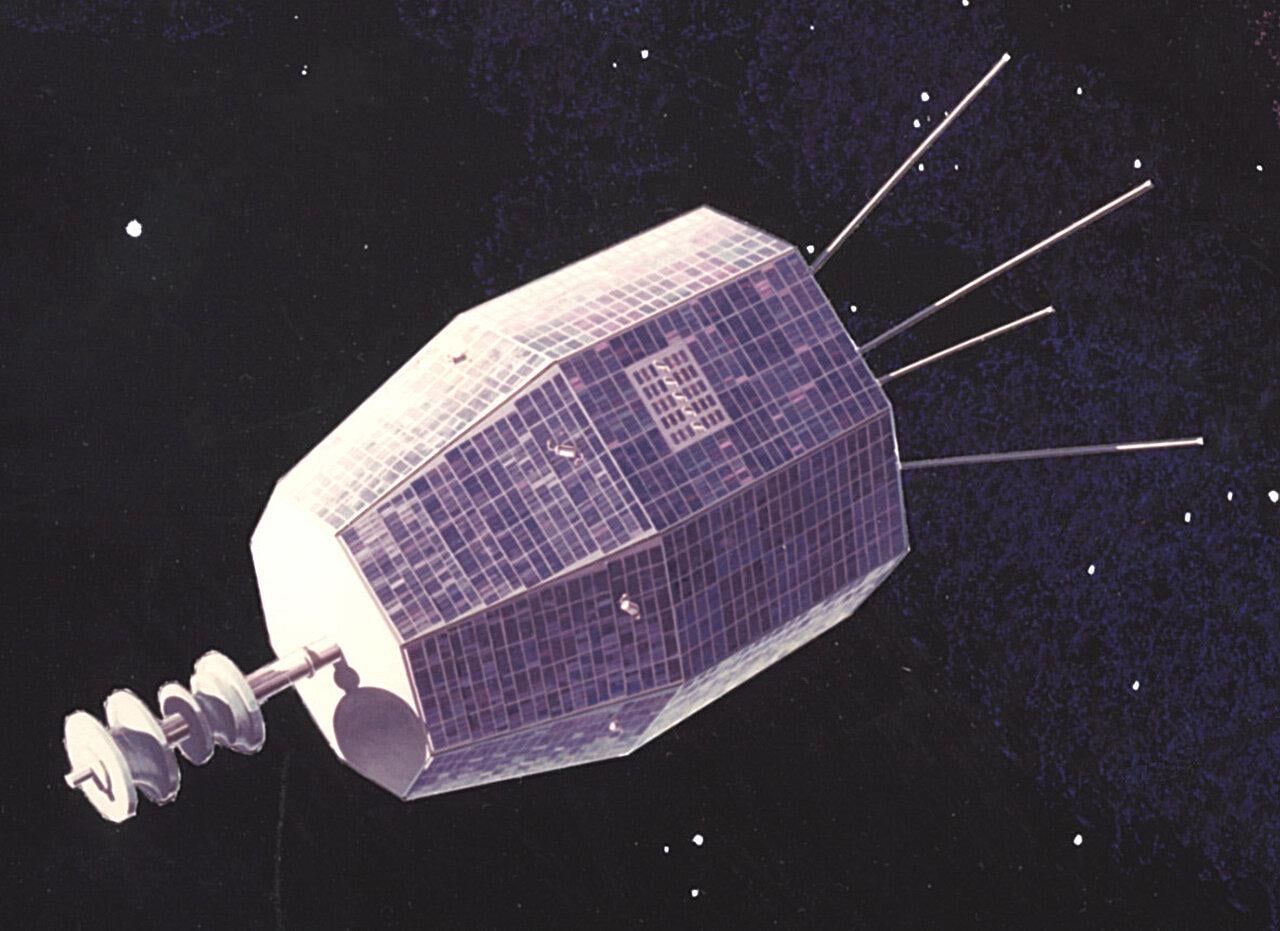
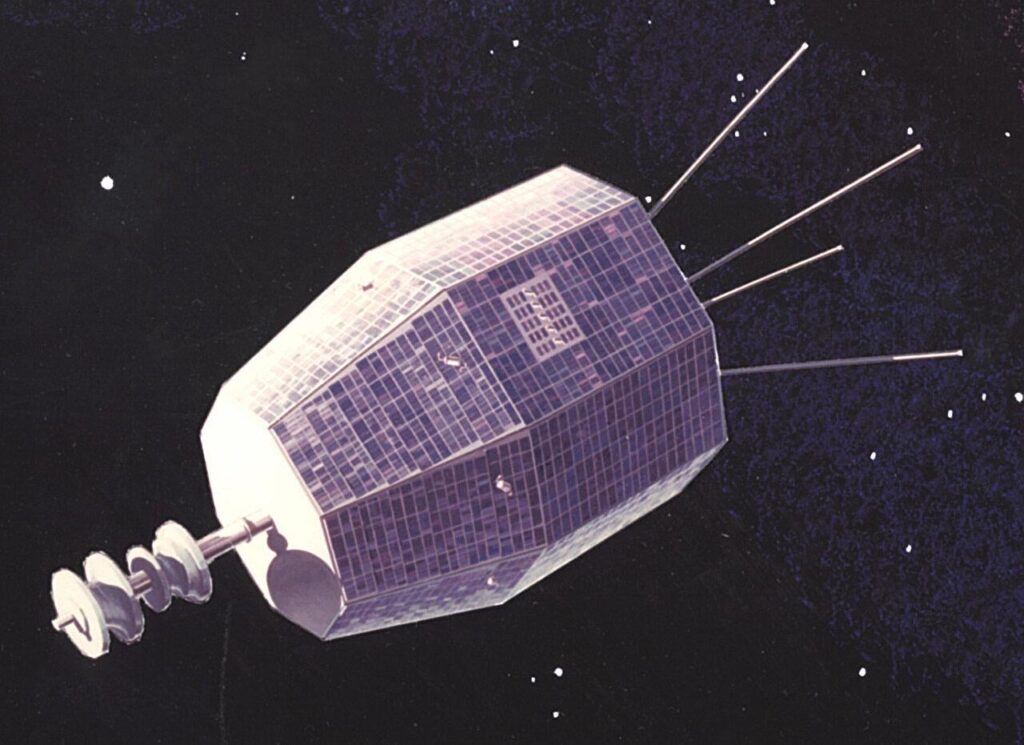
* Subsequent analysis, however, revealed the signal’s true origin: Relay 2, a NASA communications satellite launched in 1964. This satellite had been inactive since its transponders stopped working in 1967, making its sudden emission particularly puzzling.
* Researchers theorize the burst wasn’t a satellite “resurrection.” Instead, it was likely caused by an electrostatic charge building up and discharging on the craft, or possibly by a micrometeoroid impact creating a small plasma cloud.
I had really hoped it was a Nibblonian looking for their lost ship…
ah well, life is full of disappointments, I suppose.
Do you want V’ger NASA? Because that’s how you get V’ger!
The probes from the alien mothership Oumuamua finally got around to messing with our satellites.
Do we not have a good map or database of everything orbiting Earth, especially all the old, dead satellites? It seems kind of important to be able to track that information/locations (even if it’s not live updates because that’s a whole new layer of data management) if stuff like this can happen. How do we know what’s up there and where it’s going?
NASA: ‘Who said that?’
Narrator: Turns out NASA was talking to itself.
Now space junk is interfering with collecting real data? Hmmm.
In case I missed it, do we know how far the satelite has traversed our solar system? Or is it just orbiting nearby with the rest of the junk?