
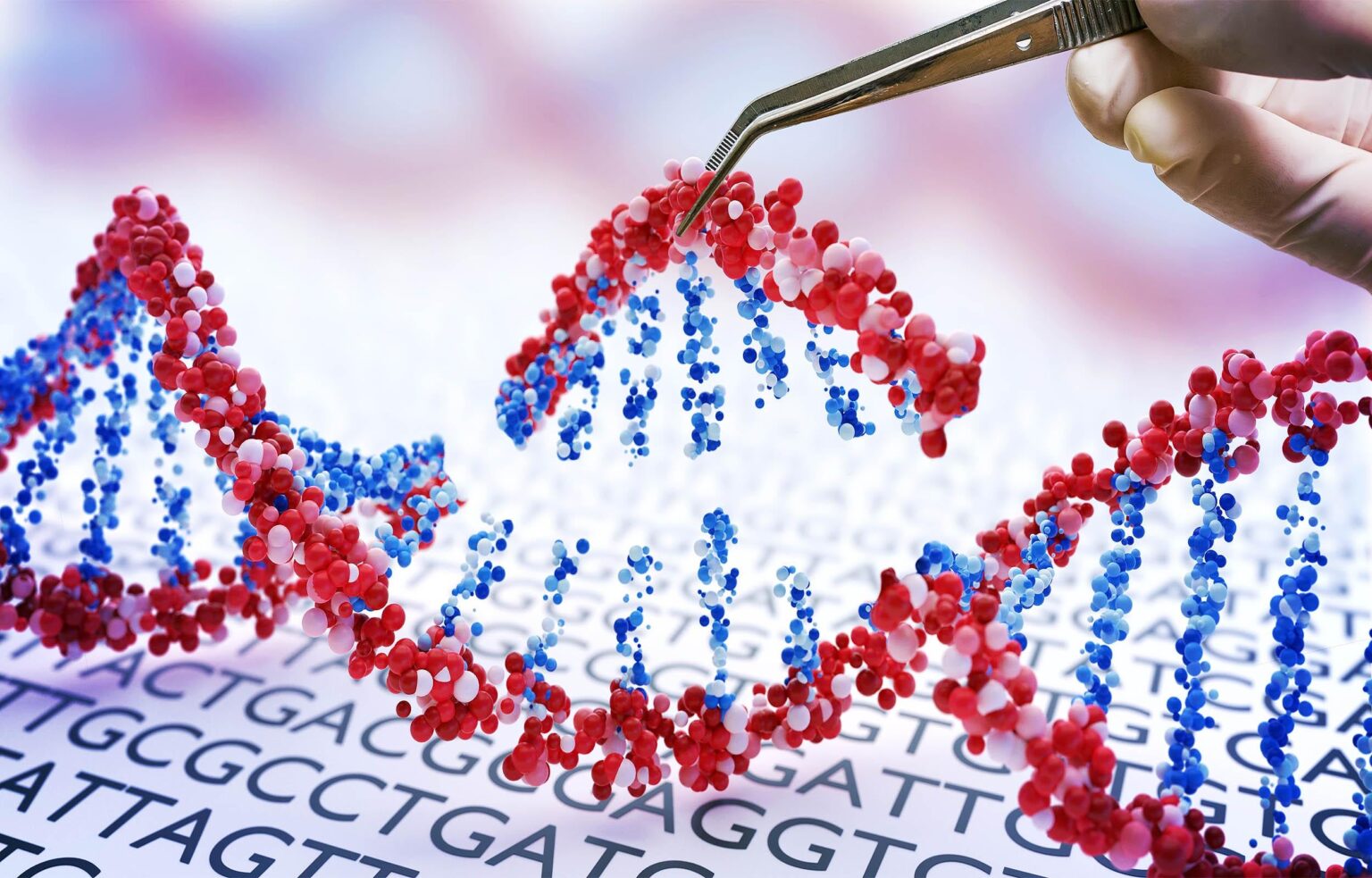
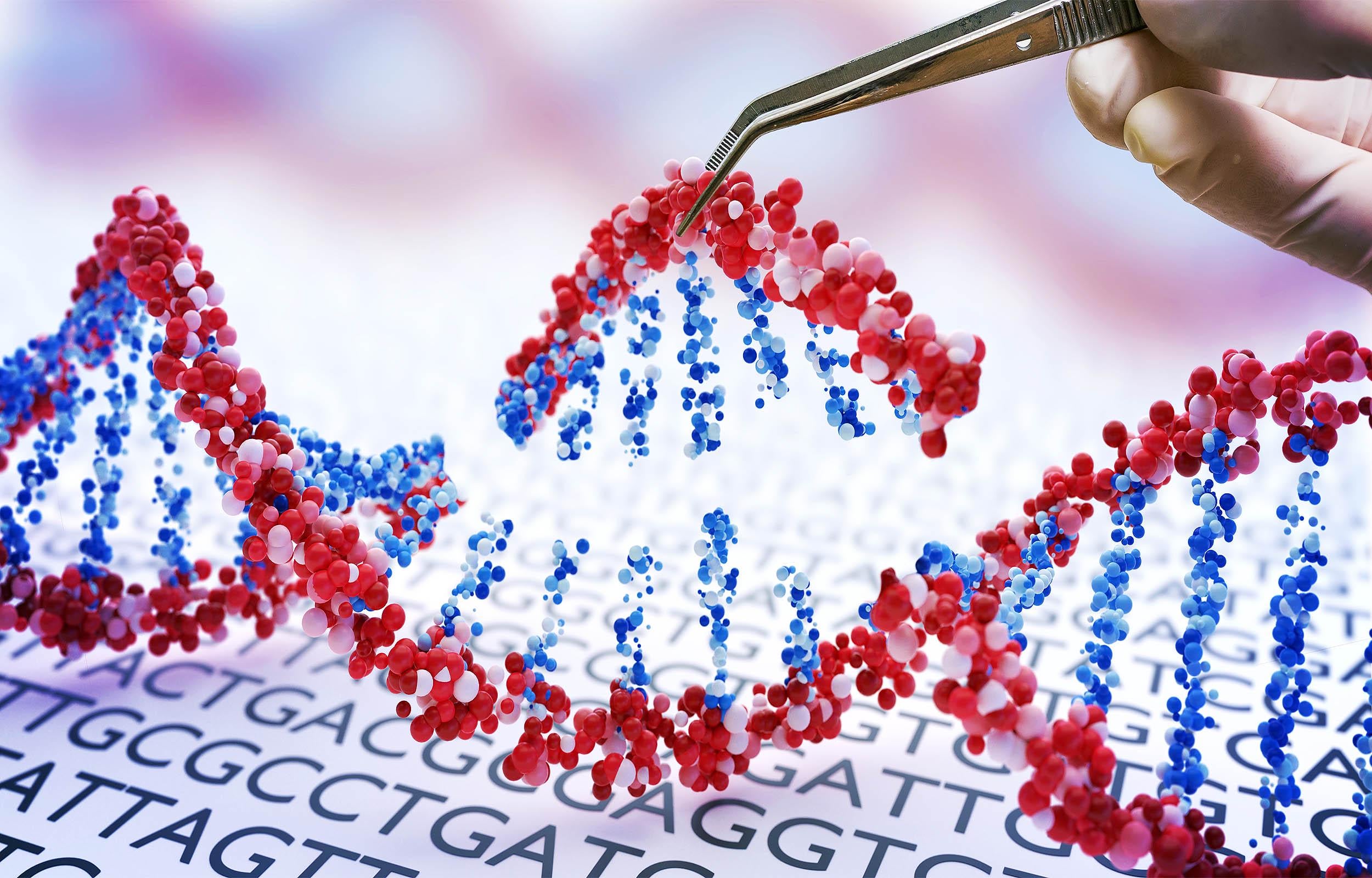
CRISPR used to remove extra chromosomes in Down syndrome and restore human cell function. Japanese scientists discovered that removing the unneeded copy using CRISPR gene-editing normalized gene expression in laboratory-grown human cells.
https://www.earth.com/news/crispr-used-to-remove-extra-chromosomes-in-down-syndrome-and-restore-cell-function/
12 Comments
CRISPR used to remove extra chromosomes in Down syndrome and restore cell function
Ryotaro Hashizume and colleagues from Mie University in Japan report that it is possible to cut away the surplus chromosome in affected cells, which appears to bring their behavior closer to typical function.
CRISPR-Cas9 is a versatile gene-editing system that relies on an enzyme to recognize specific DNA sequences. Once the enzyme locates a matching site, it snips through the DNA strands.
Scientists carefully design CRISPR guides to target only the unwanted chromosome. This trick is called allele-specific editing, and it helps steer the cutting enzyme to the right spot.
Their group discovered that removing the unneeded copy often normalized gene expression in laboratory-grown cells.
The treated cells reverted to typical patterns of protein manufacturing. They also showed better survival rates in certain tests, indicating that the excess genetic burden was successfully relieved.
The researchers didn’t just test their approach on lab-grown stem cells. They also applied it to skin fibroblasts, which are more mature, non-stem cells taken from people with Down syndrome.
Here’s the link to the peer reviewed journal article:
https://academic.oup.com/pnasnexus/article/4/2/pgaf022/8016019
inb4 the “BUT AT WHAT COST?!??” people start freaking out about eugenics and what the terrible loss of Down Syndrome will do to humanity’s collective heritage
I wonder if this can be applied to other conditions like Fragile X
Since this is way above my brain level could someone with more brain cells explain?
CRISPR modifies the chromosomes, get that. Would it not have to be at a very early stage in the embryos development though, as in before we can detect it at 10 weeks or so? I’m assuming they’re not saying to Steve, the 23 year Down syndrome guy, get over here you’re in for a wild ride…?
CRISPR used to remove extra chromosomes. It still does but it used to too.
Yeah, while I’ll be the first to point out the crossover and causation with intelligence, creativity, less intense autism and ADHD, and how fully removing those from society would be a really bad idea.
Things like Down syndrome, schizophrenia, bipolar and so on have no noted payoff or role for the species, or at least anywhere near as obvious.
Maybe I missed it in the article, but can anyone explain to me exactly how they removed the extra chromosome? CRISPR can generally be used to edit/delete/add genes (think modifying a single book or series of books in a library) but a chromosome is akin to a whole library — how do you just delete the whole thing with CRISPR?
first off it’s not even me who’s mixing things, i was just tearing down the strawman of “people are so worried about the terrible loss of down syndrome :(” when the concern with this tech is obviously not about that lmao
but i will grant that i might be behind on the news, last i heard there was ongoing research into what genetic or epigenetic causes there might be behind sexuality and transness
if that research has stopped then the worries i described for sexuality are actually unfounded, so 2/3 are probably safe for now
At that point, you’re fundamentally changing the entire genome of a fetus at 8-10 weeks at the cost of thousands/ teens of thousands with a high potential for failure or worse, getting additional defects. You might as well just get an abortion and try again.
The current name for the revolutionary process is “detardation”.
For the past 20 years ive read how CRISPR will change medicine and I have yet to see it used for any condition outside one or two rare cases.
There are cases of trisomy 21 that are more or less asymptomatic due to internal deletions in one of the three chromosomes. Wouldn’t it make more sense to use CRISPR to deactivate the promotors in those regions to shut down the negative effects? If I understand the paper correctly, they just CRISPR’d one chromosome to pieces. But having linear DNA float around in the nucleus doesn’t sound like a good idea.
Also, what is the goal here? Trisomy 21 symptoms are due to an overproduction of certain gene products. It’s not like some metabolic diseases, where a subpopulation of wild-type cells might be enough to make things work. How would you target all cells in a fetus that is too far progressed to abort the pregnancy?