
 info@newsbook.com.mt
Malta’s efforts to prepare for climate change have been branded “fragmented, underfunded and lacking robust monitoring” in a damning assessment by the country’s Auditor General, which warns that urgent action is needed to avoid escalating costs and vulnerabilities.
The performance audit, presented to Parliament by Auditor General Charles Deguara, found that only 4% of the island’s 50 climate adaptation measures have been fully implemented, with a staggering 92% still classified as merely “ongoing” despite some dating back years.
The report exposes critical gaps in Malta’s preparedness for flooding and sea-level rise, including reliance on outdated population data from 2011 that fails to account for the island’s 35% population growth, potentially misdirecting adaptation efforts away from areas of greatest need.
Central to the audit’s criticism is the delayed completion of Malta’s economy-wide Climate Vulnerability and Risk Assessment, which was only finalised in early 2025 despite commencing in 2021. The delay severely limited the study’s integration into policy-making during the crucial period when adaptation measures should have been implemented.
The NAO said it lacked visibility into most deliverables of the VRA, hindering a comprehensive evaluation of Malta’s climate risks, as it highlighted the opacity surrounding the government’s climate planning processes.
Governance failures exposed
The audit reveals significant weaknesses in Malta’s climate governance framework. The Climate Action Authority, established to coordinate adaptation efforts, was only set up in October 2024, leaving a substantial gap in oversight during previous years.
Perhaps most tellingly, the government’s Climate Action Fund has been woefully underutilised, with only one-third of its allocated €1.3 million spent between 2017 and 2023, despite its potential to support crucial adaptation projects.
The Malta Low Carbon Development Strategy, meant to guide the country’s climate response, was found to lack assigned ownership for measures, clear timelines, and key performance indicators, severely hampering implementation and monitoring efforts.
Funding shortfalls persist
Whilst Malta’s climate change budget has increased from €50,000 in 2015 to €600,000 in 2023, the audit concludes these sums remain woefully inadequate compared to projected investment needs. The government has yet to fully quantify either the cost of climate adaptation or the potentially catastrophic cost of inaction.
The report points to evidence from across Europe showing that adaptation measures are far cheaper than dealing with climate disasters after they occur, yet Malta continues to underfund prevention efforts.
Coastal vulnerabilities unaddressed
With NASA projections indicating a 0.63-metre sea-level rise by 2100, the audit found that Malta’s coastal protection efforts are lagging dangerously behind. The C-COVER project identified significant coastal vulnerabilities, but a national strategic framework for coastal adaptation has yet to be adopted.
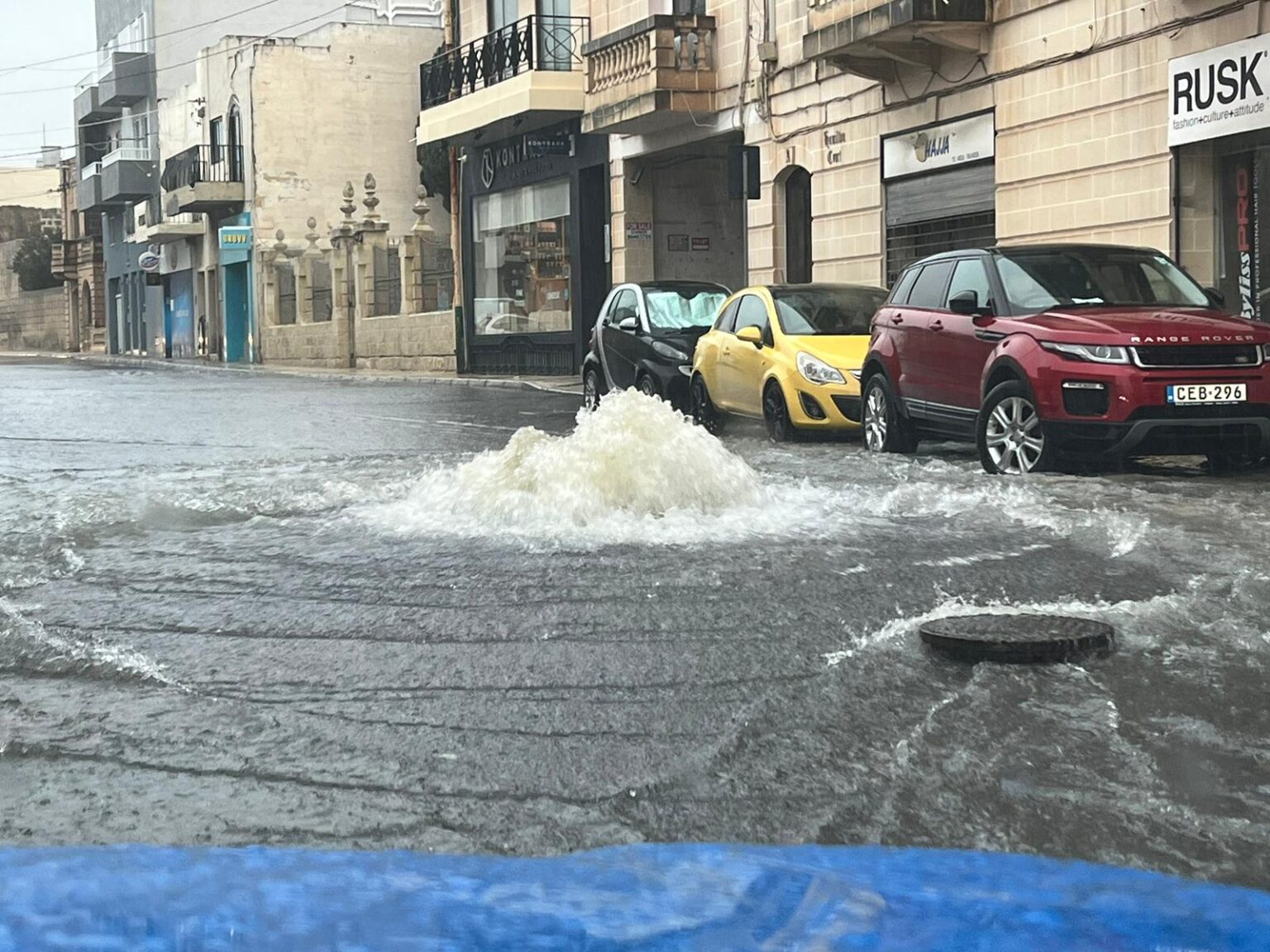
Flood risk management fared somewhat better, with 71% of measures from the Flood Risk Management Plan ongoing and 29% completed by 2024. However, even these efforts were hampered by the use of outdated census data that may have misidentified priority areas.
The shortcomings identified by Malta’s auditor mirror criticism from the European Commission, which in 2023 noted the country’s lack of detailed adaptation policies, weak integration of climate resilience in EU-funded projects, and insufficient engagement with vulnerable communities.
Infrastructure projects lack climate-proofing
The audit also raised concerns about “maladaptation risks,” warning that major infrastructure projects, including elements of the €700 million Project Green initiative, often proceed without comprehensive climate-proofing assessments. Such projects risk failure under future climate stress, potentially wasting significant public investment.
The report’s conclusions are stark: “Doing nothing is not an option…” adding that the current cost of inaction is significantly higher than the cost of adaptation.
The Auditor General has called for immediate measures including updating flood risk maps with current census data, developing detailed adaptation plans with clear responsibilities and costs, implementing coastal protection frameworks, and dramatically improving funding and transparency.

