
Government assessments on the risk of flooding as a result of climate change were outdated because they were based on 2011 population figures and ignored the 35% population rise since, the National Audit Office (NAO) has found.
This raises significant concerns regarding Malta’s preparedness for climate change impacts, especially flooding and sea level rise, and casts doubt on whether current risk assessments accurately reflect the true vulnerability of the population, the report tabled in parliament on Tuesday says.
The NAO’s performance audit, titled Climate Change Adaptation – Evaluating Malta’s efforts relating to Flooding and Sea Level Rise, sought to evaluate the government’s efforts to prepare for climate change risks.
While acknowledging various government initiatives to manage climate change, the audit identified several critical areas for improvement.
One key issue, it said, was that many buildings and green projects that were meant to help reduce the impact of climate change were not properly checked at design stage to make sure they could handle future climate impacts. This kind of check was required for some projects funded by the EU.
Furthermore, the plans Malta had to fight climate change, like the one that aimed to reduce carbon emissions by 2050, often did not clearly state who was responsible for what, when things should be done, or how success would be measured.
While climate change funding has increased in recent years, the government was still in the process of quantifying the full cost of adapting to climate change, the report found, stressing that research showed that the cost of inaction on climate change exceeded the cost of adaptation.
Small islands at greater risk
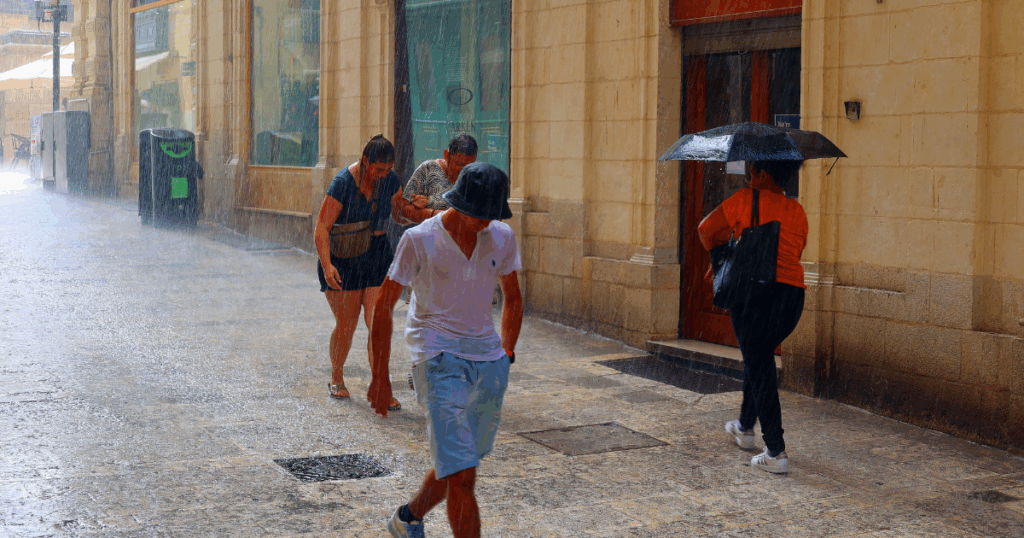
The report said that being a small island, Malta was especially at risk from the effects of climate change, such as sudden, very heavy rain that caused widespread flooding and slower, gradual changes like slow sea level rise.
Scientists at NASA had predicted that by the year 2100, the average sea level could go up by about 0.63 meters. A 2015 Maltese study showed that a significant portion of Malta’s roads were likely to flood. Specifically, that study found that 10% of arterial roads, 6% of distributor roads and 7% of roads in rural areas were prone to flooding.
The NAO recommended that the government improve how it plans to prepare for the changing climate by creating more detailed plans that were specific to different areas or industries.
These plans should clearly state who was responsible for each action, when those actions need to be completed, and how their success would be measured.
NAO said it welcomed the fact that the Energy and Water Agency (EWA) had confirmed it would now use the most recent census data to create the next set of maps to show where floods were likely to happen and what risks they posed. The next version of these maps is expected to be ready by December.