Microlensing trick reveals a rare gas giant exoplanet
https://www.earth.com/news/microlensing-trick-reveals-a-rare-gas-giant-exoplanet/

Microlensing trick reveals a rare gas giant exoplanet
https://www.earth.com/news/microlensing-trick-reveals-a-rare-gas-giant-exoplanet/
2 Comments
The only thing rare about this is that it’s one of 2 microlensing planets found outside the direction of the galactic bulge (ie. not towards the centre of the Milky Way which is where the other ~240ish microlensing planets have been found).
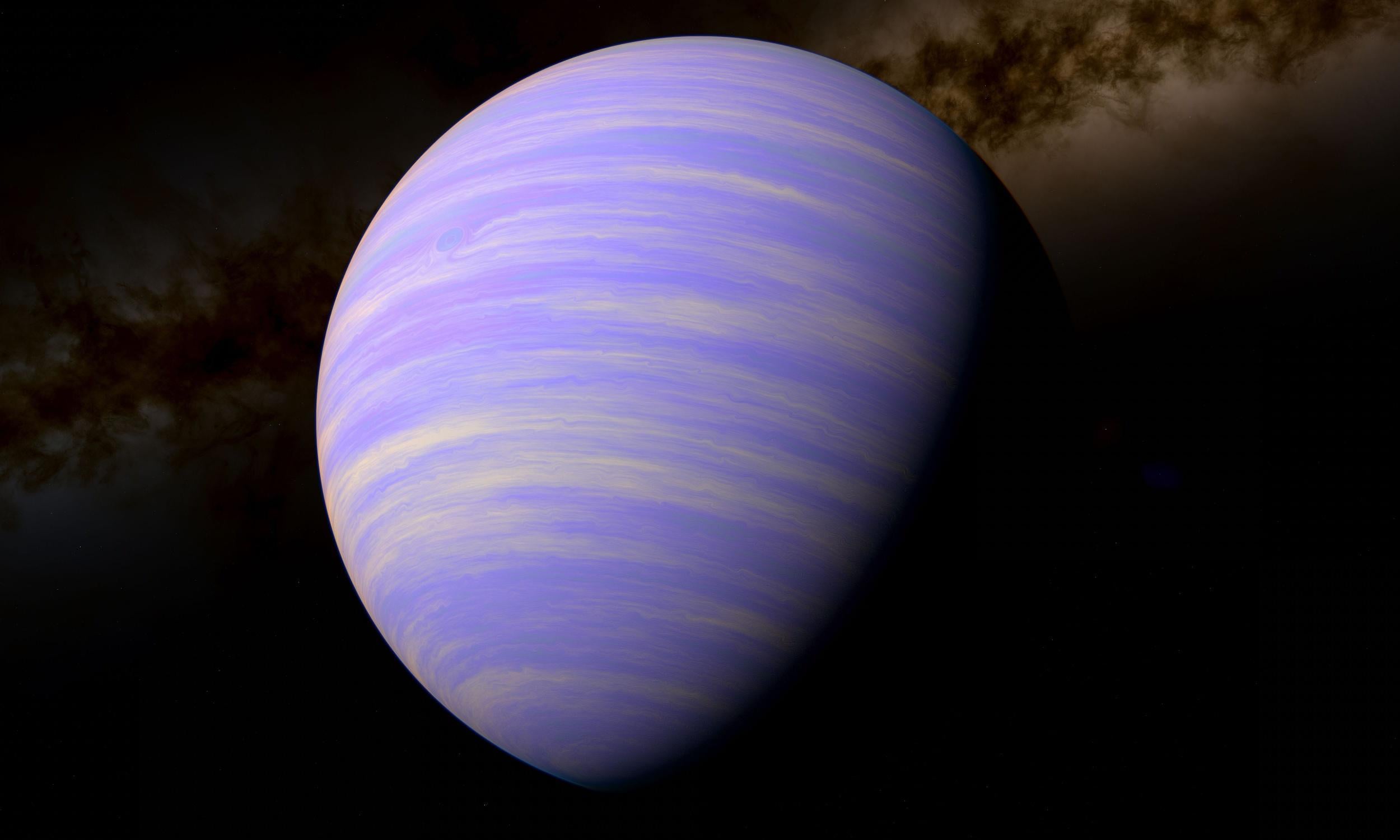
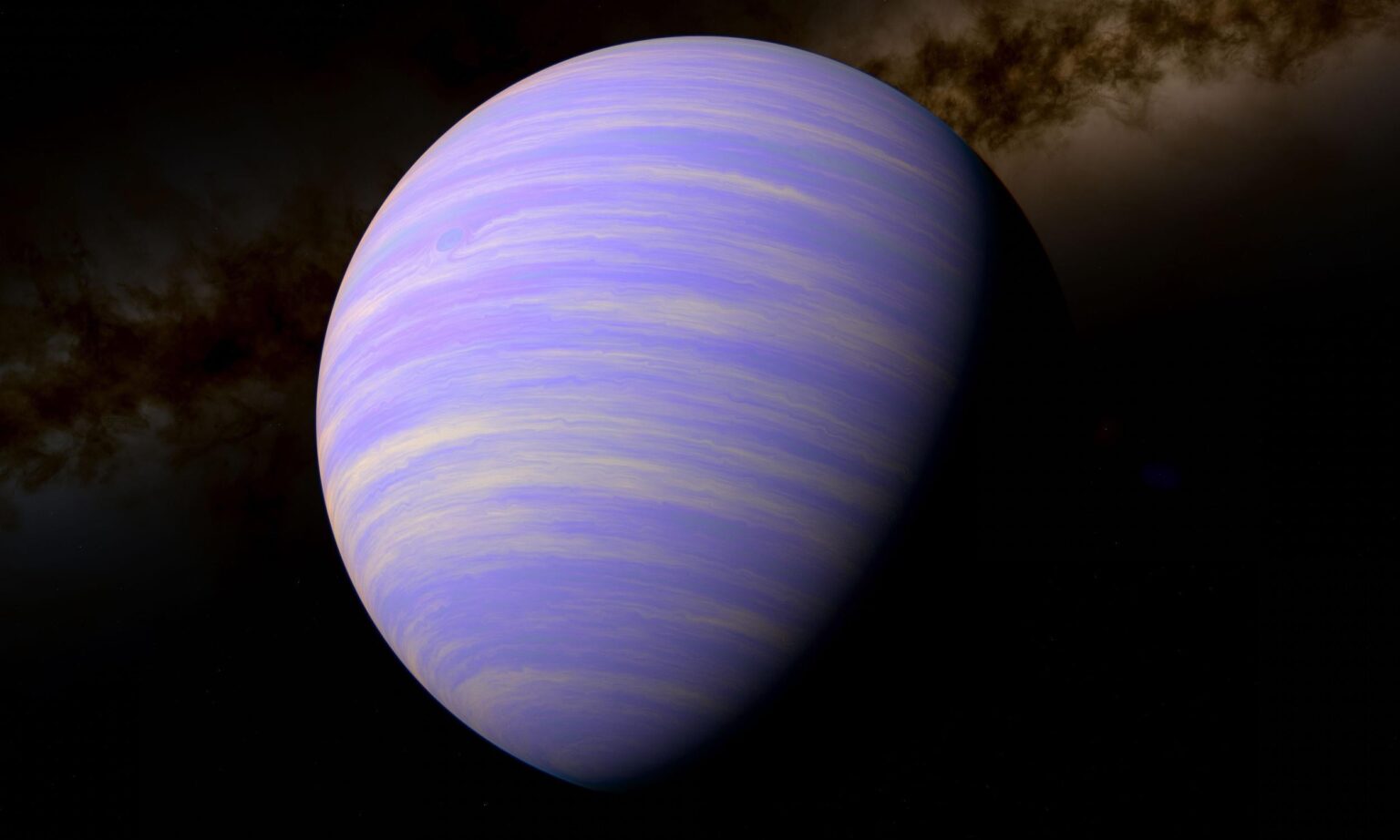
“The newcomer, [AT2021ueyL b](https://ciencia.nasa.gov/exoplanet-catalog/at2021ueyl-b/), weighs about 1.3 times as much as Jupiter, sits roughly 3,262 light-years away, and appeared in data collected from both Gaia and ground-based surveys.
The planet circles a small M-dwarf star roughly once every 11 Earth years, staying well beyond its host’s snow line. Because the mass ratio between planet and star is large, the brightening was easier to catch, despite the faintness of the lens.”