
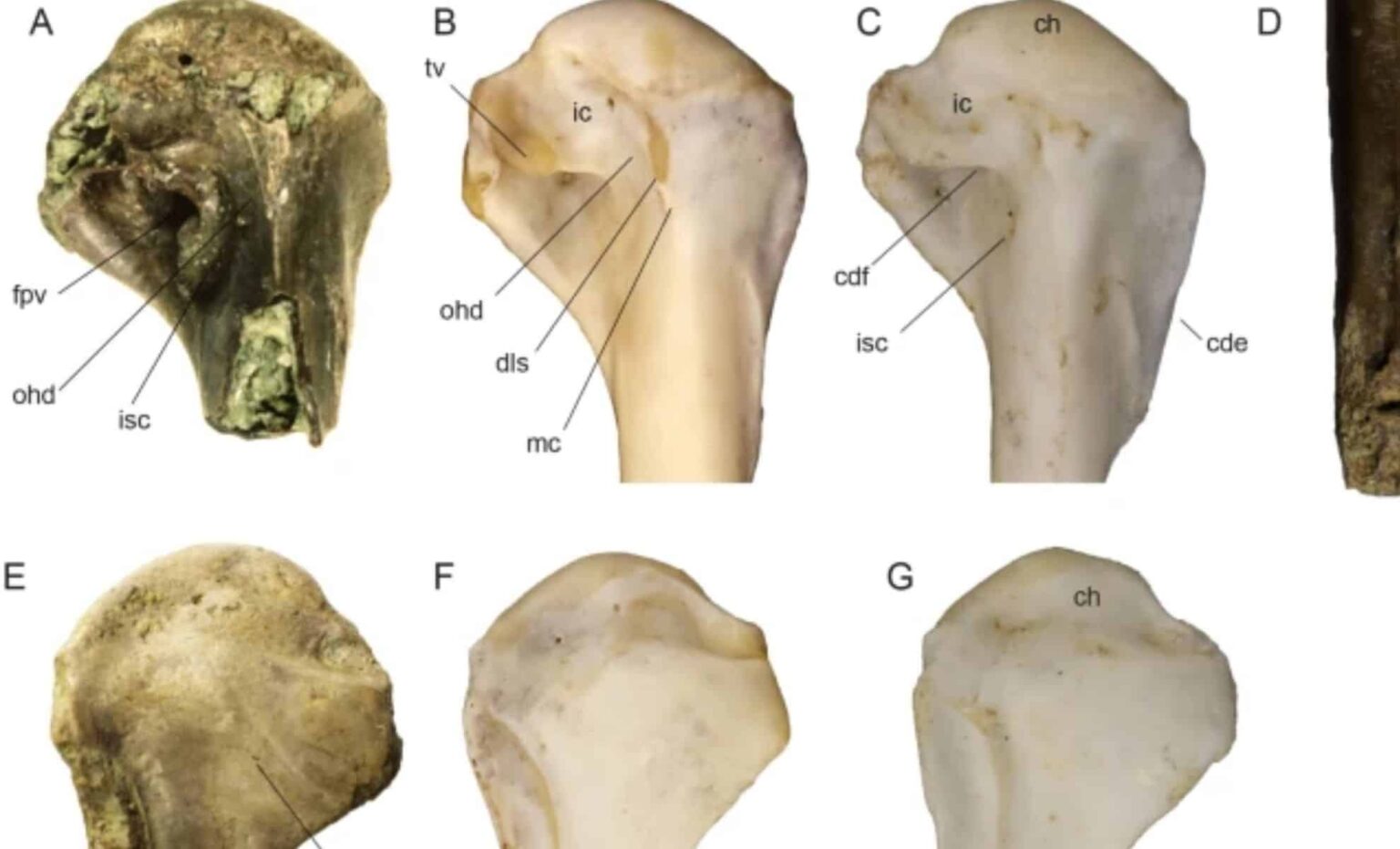
In a groundbreaking discovery reported in the journal PalZ, paleontologists have unveiled a new species of large passerine bird, Miostrepera canora, based on fossilized remains found in the Bannockburn Formation near St Bathans in Otago, New Zealand. The bird, referred to as the St Bathans currawong, lived roughly 19 million years ago during the Early Miocene epoch. The fossilized bones give us a unique glimpse into an ancient ecosystem, offering insights into how New Zealand’s bird population once mirrored Australia’s today.
The St Bathans Currawong: An Ancient Bird Rediscovered
The newly described species, Miostrepera canora, was likely similar in size to the Australian magpie (Gymnorhina tibicen), which can still be found in New Zealand today. However, scientists believe this ancient bird was probably entirely black, rather than displaying the white and black coloration seen in modern magpies. The St Bathans currawong adds an important chapter to the fossil record, illustrating the rich diversity of New Zealand’s Miocene-era fauna.
As Dr. Paul Scofield, senior curator at Canterbury Museum, remarked, “We persecute the magpie as an Australian that has no place in the New Zealand ecosystem, but its close relatives lived here in the past.” His comment reflects the ongoing debate about the ecological changes New Zealand has undergone and the complexities surrounding the introduction of non-native species into the region.
Dr. Scofield also noted, “We’ve probably been without a member of the magpie’s extended family for only 5 million years.” This observation is significant because it reveals the relatively recent absence of magpies or their relatives from the New Zealand ecosystem, marking a brief window in the region’s long evolutionary timeline. This highlights the constant changes in New Zealand’s fauna and flora, shaped by natural processes over millions of years.
The fossil discovery of Miostrepera canora comes at a time when much discussion revolves around the restoration of New Zealand’s ecosystems. Researchers such as Dr. Trevor Worthy, a researcher at Flinders University, have emphasized that New Zealand’s ecosystems have transformed dramatically over millions of years, hosting a diverse array of species across various eras. “New Zealand’s ecosystem has changed dramatically over millions of years and harbored diverse species across different eras,” said Dr. Worthy, stressing the dynamic nature of ecological evolution.
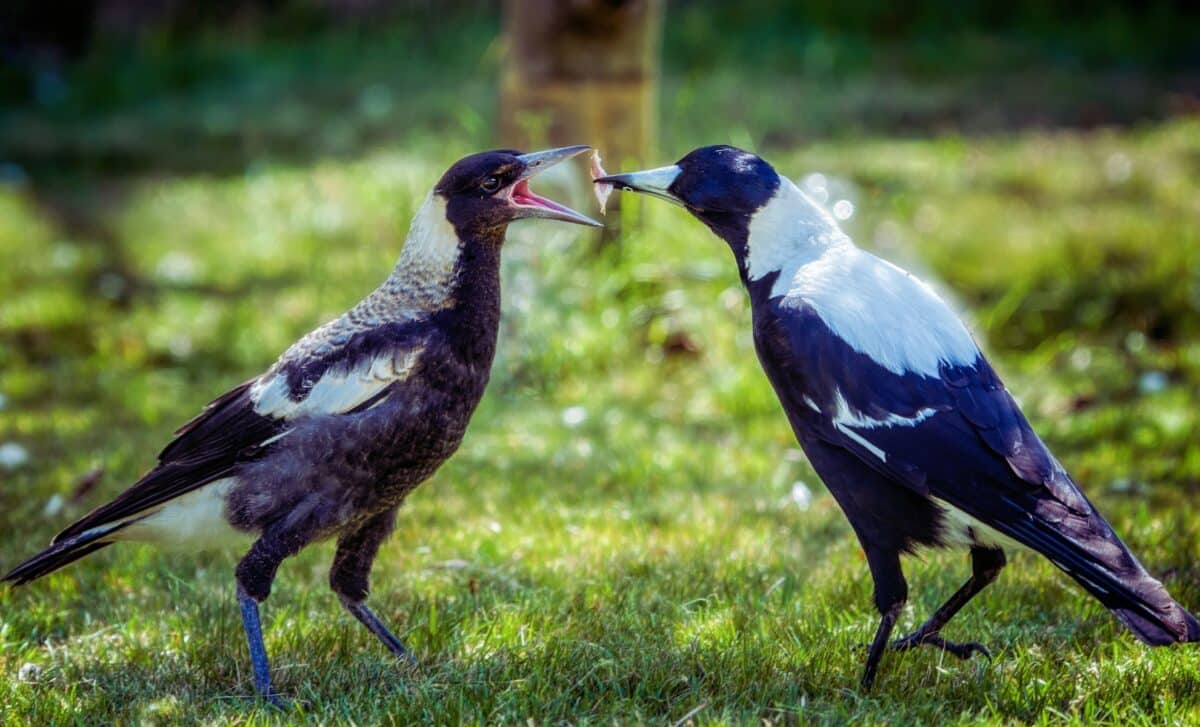 Gymnorhina tibicen ( Canva)
New Zealand’s Evolving Ecosystems: A Changing Landscape
This shift in ecosystems is especially pertinent in the ongoing debate about how much we should restore the environment to its pre-European state. Dr. Worthy explained, “There’s an idea that we should aim to return New Zealand to a pre-European ecological state.” However, he also pointed out the complexities surrounding this idea, saying, “But at that point in time, New Zealand’s ecosystems had been changing continuously for millions of years.” This serves as a reminder that the current landscape of New Zealand is the product of centuries of both natural and human-driven changes.
Furthermore, Dr. Worthy highlighted the impact of human arrival on the region’s biodiversity, stating, “Aotearoa had lost much of the floral diversity formerly present by the time humans arrived.” The extinction of several species, including currawongs, pigeons, and various types of trees, marks a significant point in the history of New Zealand’s ecosystems. The loss of these species, particularly in the context of the Miocene bird populations, underscores the long-term ecological shifts that have taken place in the country.
Fossil Evidence of New Zealand’s Miocene Past
The fossilized remains of Miostrepera canora were unearthed at the St Bathans fossil site, a former lakebed that offers valuable insights into ancient ecosystems. Dr. Scofield noted that the discovery reveals fascinating similarities between New Zealand’s ancient bird populations and those of modern-day Australia. He said, “The work has revealed that New Zealand’s bird population in the Miocene era had surprisingly strong similarities to that of Australia today.”
During the Miocene, New Zealand’s landscape would have looked very different, with dense forests that resembled Australian ecosystems. “Walking through a New Zealand forest from that era, you would have seen numerous eucalypts, laurels, and Casuarina, much like you would in an Australian forest today,” Dr. Scofield explained. These ancient environments supported a rich variety of plant and animal life, with Miostrepera canora being just one example of the many species that once thrived in the region.
However, much of this biodiversity was lost after a period of rapid cooling that began around 13 million years ago, which led to the extinction of many species that flourished in warmer climates. “The major thing that shaped the New Zealand we see today was the extinction of many plants and animals that thrived in warm climates,” Dr. Scofield added. The rapid cooling, coupled with changing climates, played a pivotal role in transforming New Zealand’s flora and fauna, ultimately shaping the unique ecosystems we see today.
The Legacy of the Currawong and Ancient Birdsong
As Dr. Scofield noted, the Miostrepera canora would not have been the only bird species filling New Zealand’s forests with song during the Miocene. The distinctive call of the currawong, although likely very different from the sounds of modern-day birds, would have been part of a chorus of birds that once dominated the landscape. “The distinctive call of the currawong would not have been the only birdsong you would hear in ancient New Zealand,” he said.
The loss of these birds, along with other species that were vital to the ecosystem, reflects the ongoing changes New Zealand has experienced. Despite the ecological upheaval, the fossil record suggests that New Zealand’s past, while different, was filled with its own unique forms of diversity. As Dr. Worthy summarized, “The pre-European ecological state of New Zealand is not necessarily any better or worse than any other time in the past.” This serves as a reminder that every era in New Zealand’s ecological history has its own value, and the current diversity of species is something to be celebrated