
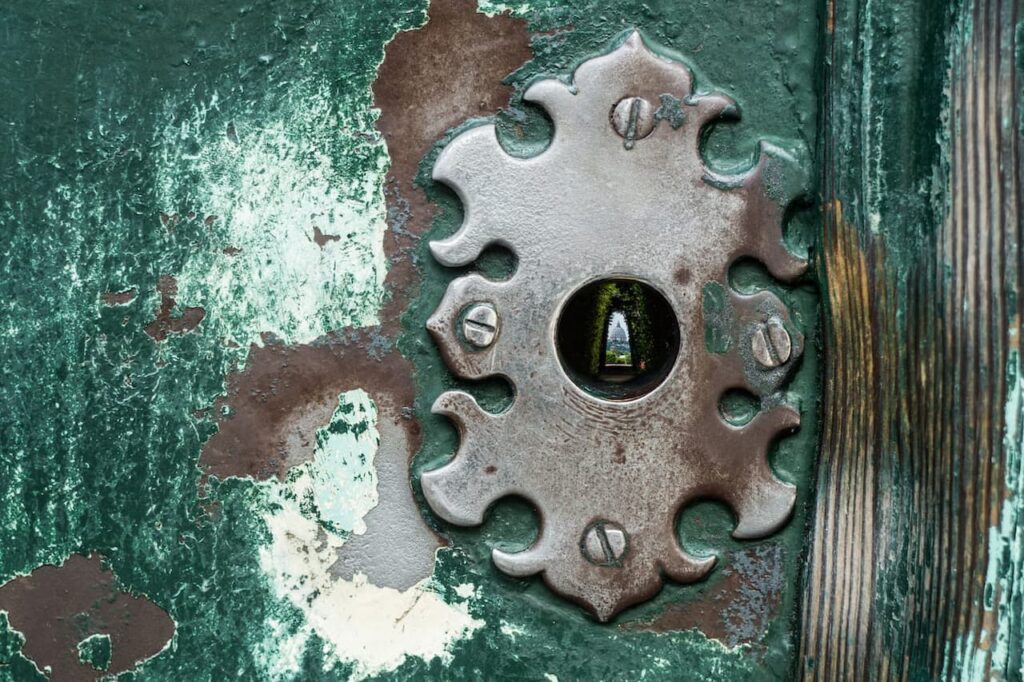
Hidden on the peaceful Aventine Hill in Rome lies one of the city’s most curious and popular attractions: a simple keyhole. But what lies beyond this ordinary keyhole is what makes it so extraordinary.
The keyhole is part of the Villa of the Priory of Malta, one of the two institutional headquarters of the Sovereign Military Order of Malta. The Priory has a long history dating back more than 900 years, although the Villa was built in the 17th century.
The Knights of Malta emerged during the Crusades as a military order of monks called the Hospitaller Knights. Their original goal was to run a hospital in Jerusalem to care for pilgrims and crusaders.
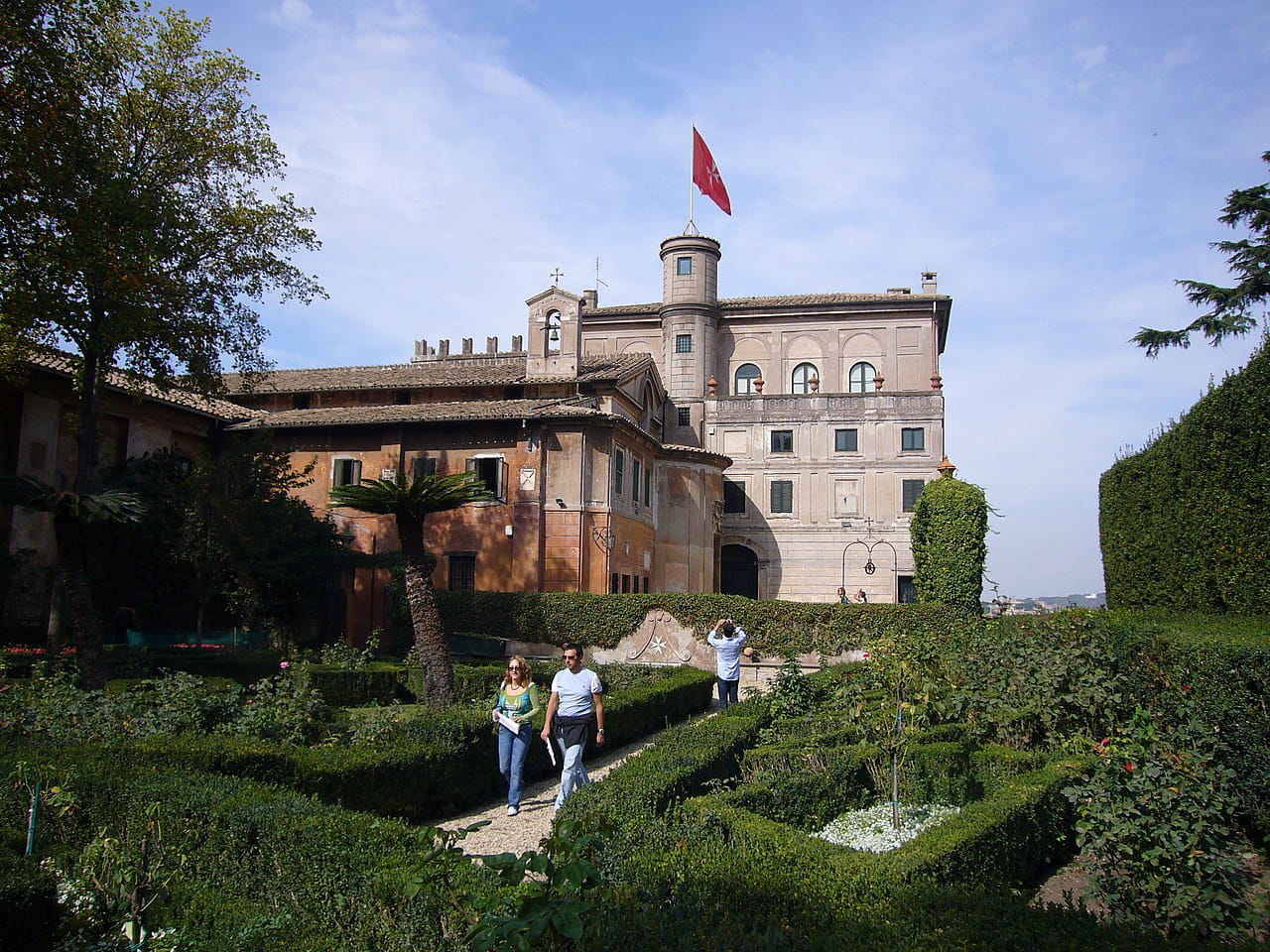
The gardens of the Villa of the Priory of Malta in Rome. Credit: Lalupa / Wikimedia Commons
When Jerusalem fell to Islamic forces, the Knights first moved to Rhodes and, after its fall, eventually settled on the island of Malta in the 16th century.
When the Knights of Malta established a priory in Rome, they were granted their Villa on the Aventine as headquarters. The site had been a strategically important location since the Middle Ages, once occupied by a fortified Benedictine monastery in the 10th century. It belonged to the Templars, and after their suppression in 1312, it passed to the Hospitaller Knights.
In 1765, Giovanni Battista Piranesi renovated the entrance of the priory, the only architectural work the artist ever carried out. The result was the extraordinary rococo-style piazzetta, decorated with war trophies alluding to the feats of the Knights of Malta, where the villa’s entrance portal opens.
But the most famous feature of the villa is a simple wooden door with a brass keyhole, in front of which long lines of tourists gather.
If you make your way there and peek through it, you’ll see a stunning spectacle: a perfect view of the dome of St. Peter’s Basilica framed between the trees of the Villa’s garden.
This buco della serratura allows you to see three countries at once: the Order of Malta, Italy, and Vatican City. The Villa represents the Order of Malta, home of the Knights, while the rest of Rome seen through the keyhole is Italy.
And the dome of St. Peter’s Basilica belongs to the independent State of Vatican City. Adding to the curiosity is the fact that the Order of Malta is the only state without a territory in the world.
The keyhole acts like a camera obscura, creating a projected image of the distant basilica on the inner wall of the door. The effect is like a miniature postcard of the dome of St. Peter’s.
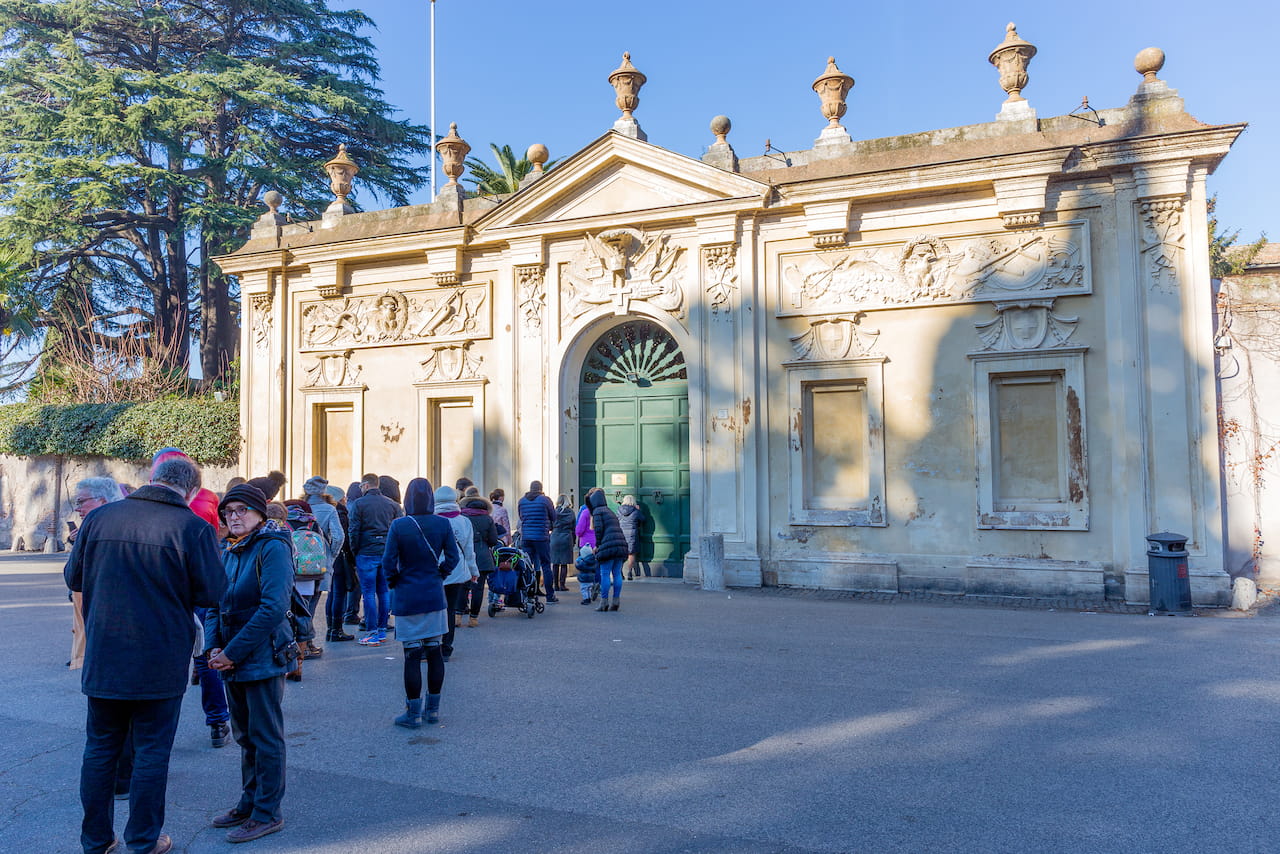
People lining up to look through the keyhole. Credit: lefpap / depositphotos.com
But it’s not a coincidence; it was deliberately created to produce a visual effect when the Villa was being redeveloped in the early 18th century under Cardinal Ottoboni.
The view captures two of the most important symbols of Catholicism in a single frame: the Pope’s church in Vatican City and the headquarters of the Knights of Malta.
During the day, the silvery dome of St. Peter’s is clearly visible, rising above the green treetops. At night, the dome glows golden under the lights.
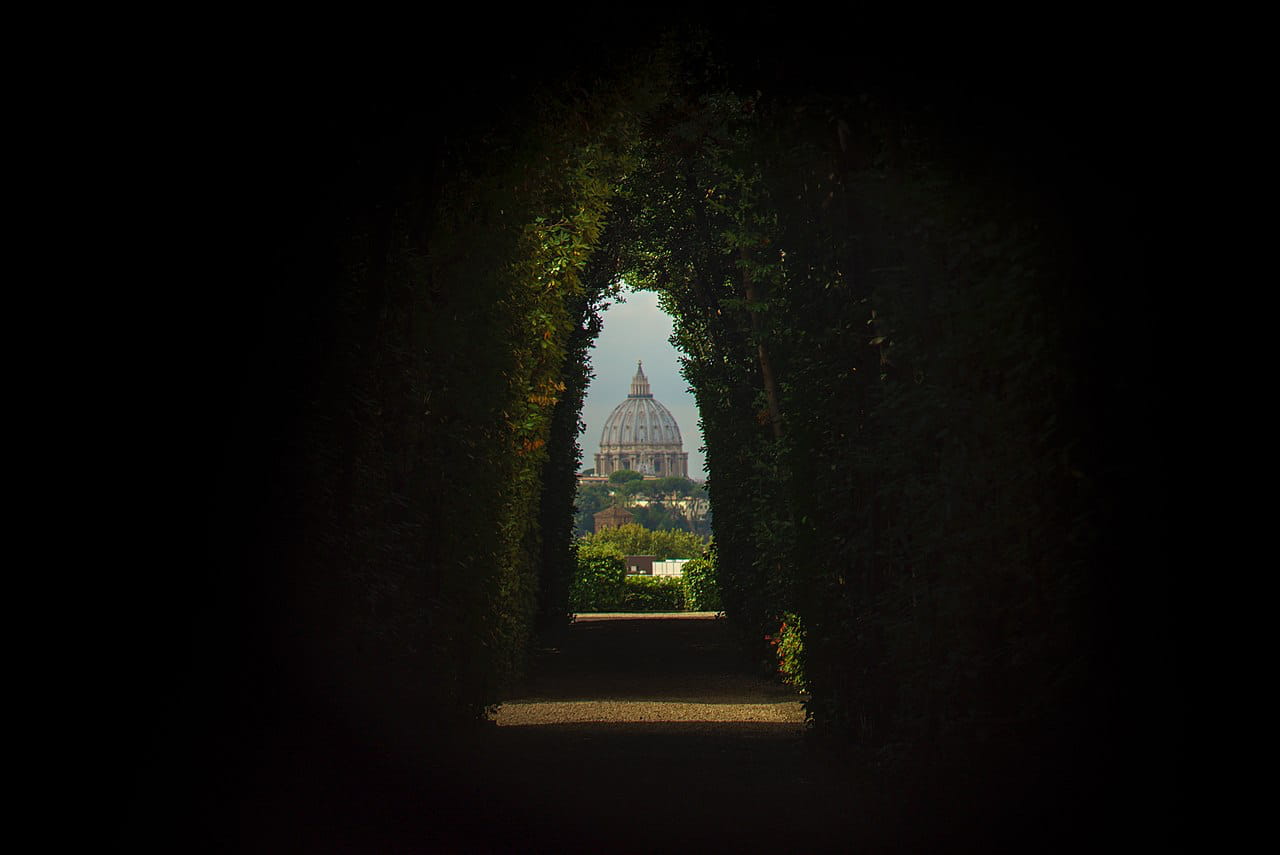
The view through the keyhole. Credit: Galen Crout / Wikimedia Commons-Unsplash
As the seasons and foliage change, so does the landscape that frames the dome, making the view continuously different and enchanting.
The peephole in the door offers a rare glimpse into a space usually off-limits, closed to the public since the Knights of Malta settled in the Villa.
The keyhole has become a must-see attraction for tourists and photography enthusiasts, and postcards with the view are even sold. An ordinary door becomes a portal through time, space, and sovereign borders.
This article was first published on our Spanish Edition on August 18, 2023: El ojo de la cerradura que permite ver tres países en línea desde el Aventino en Roma
Discover more from LBV Magazine English Edition
Subscribe to get the latest posts sent to your email.

On the shores of an ancient lake in what is now central Germany, a group of Neanderthals transformed a lakeside landscape into what archaeologists have no hesitation in calling a…

A team of researchers from Canada, New Zealand, and Mexico has documented 34 unique interactions in which wild orcas attempted to share food with humans, a behavior that suggests these…
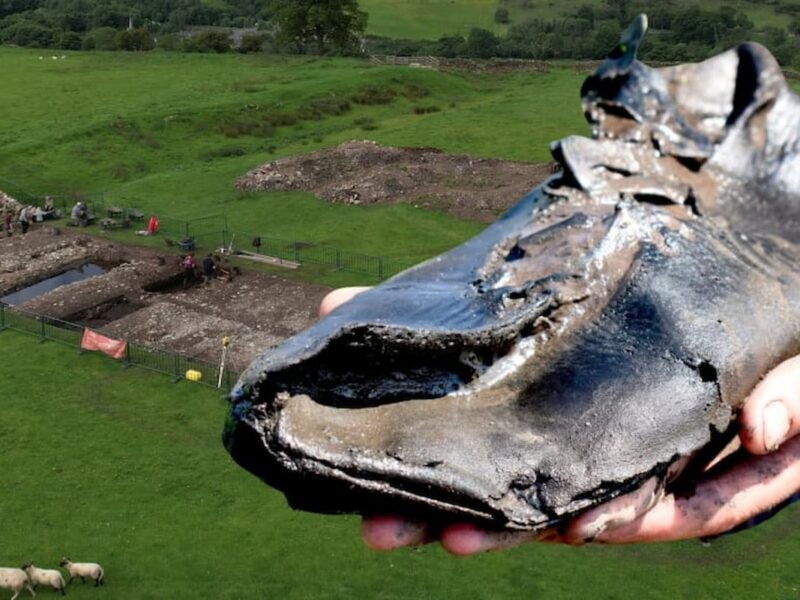
In the defensive ditches of the Roman fort of Magna, located in Northumberland and now home to the Roman Army Museum, archaeologists have uncovered remains of ancient footwear of extraordinary…
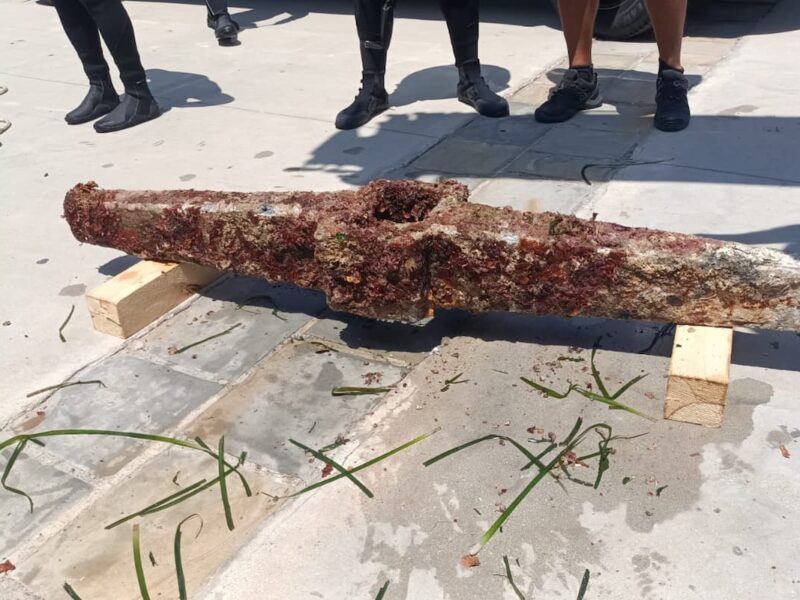
In an operation coordinated by the Superintendency of Archaeology, Fine Arts, and Landscape of Salerno and Avellino, with operational support from the Carabinieri’s Underwater Unit of Naples and in collaboration…
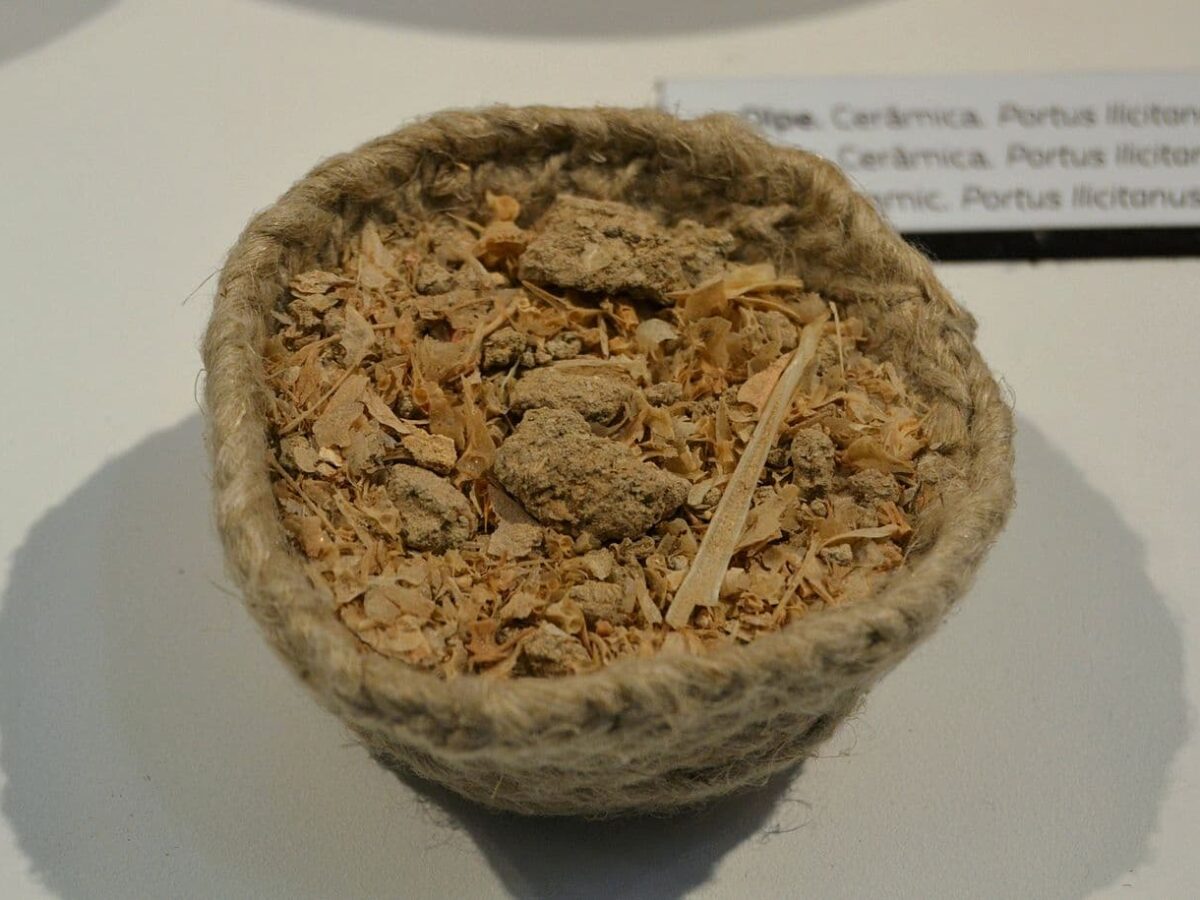
A team of researchers has managed to extract and sequence DNA from fish remains found in an ancient Roman salting factory in northwestern Spain, providing insight into the production methods…
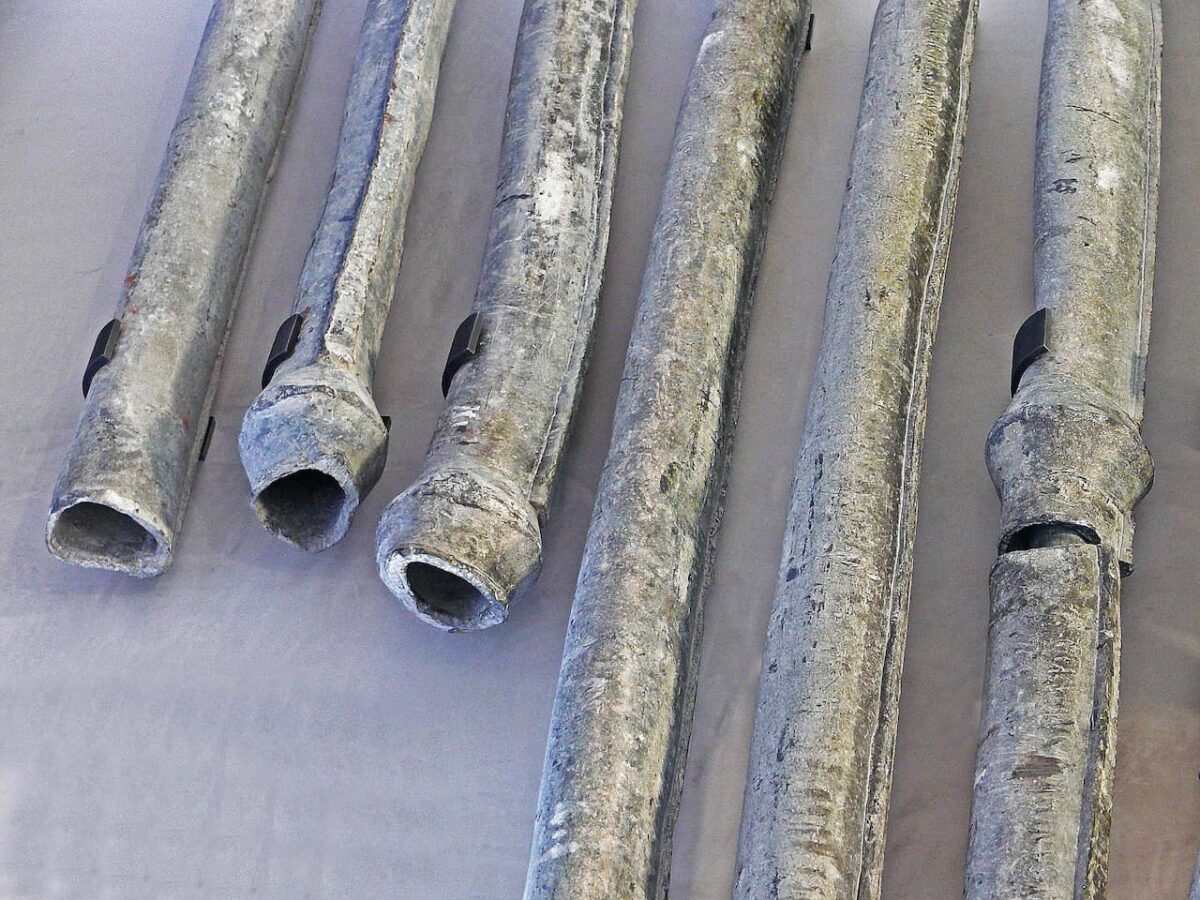
The city of Arles in French Provence is home to a unique legacy of Roman engineering: a system of aqueducts that for centuries supplied water to its inhabitants, the public…
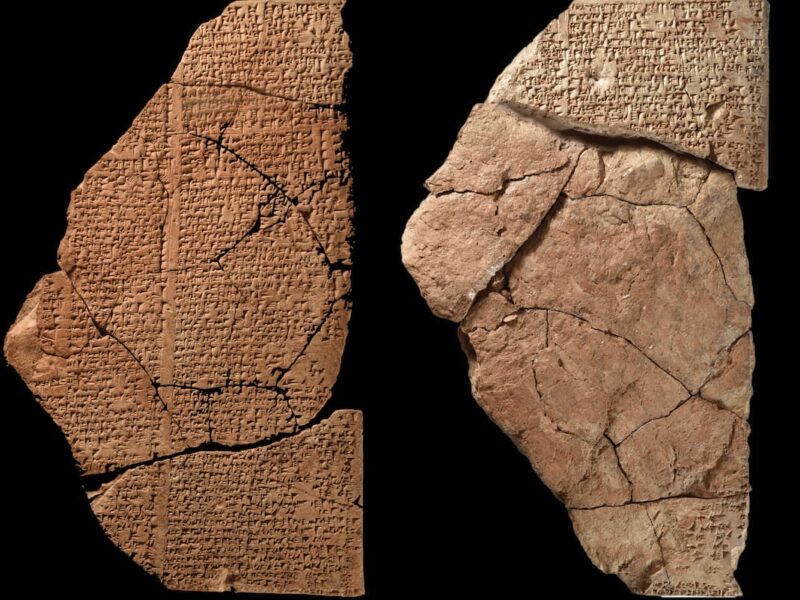
A team of researchers led by Professor Enrique Jiménez of Ludwig Maximilian University of Munich (LMU) has succeeded in reconstructing an ancient hymn of praise to the city of Babylon,…
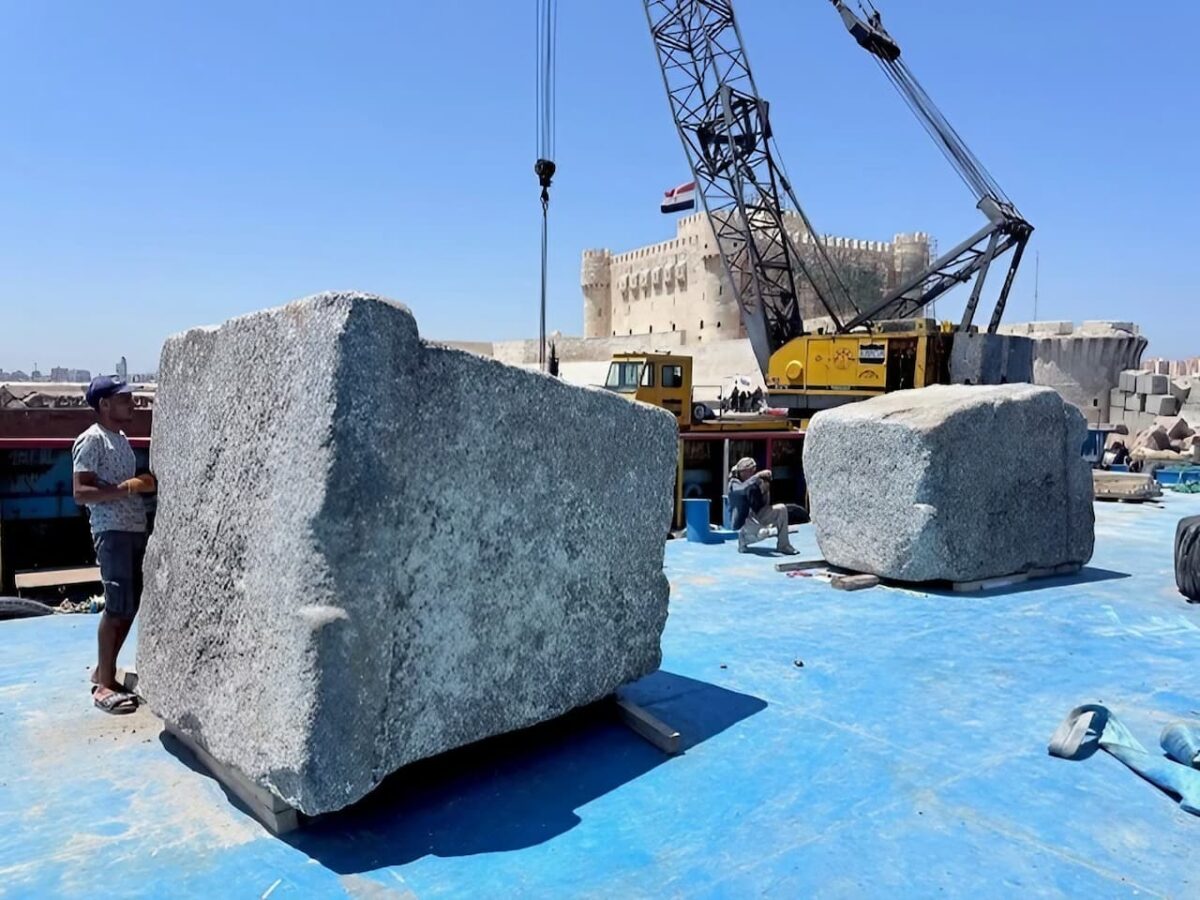
Three decades after the waters of Alexandria’s bay revealed the first submerged vestiges of the seventh wonder of the world, an international archaeological mission has successfully extracted from the seabed…
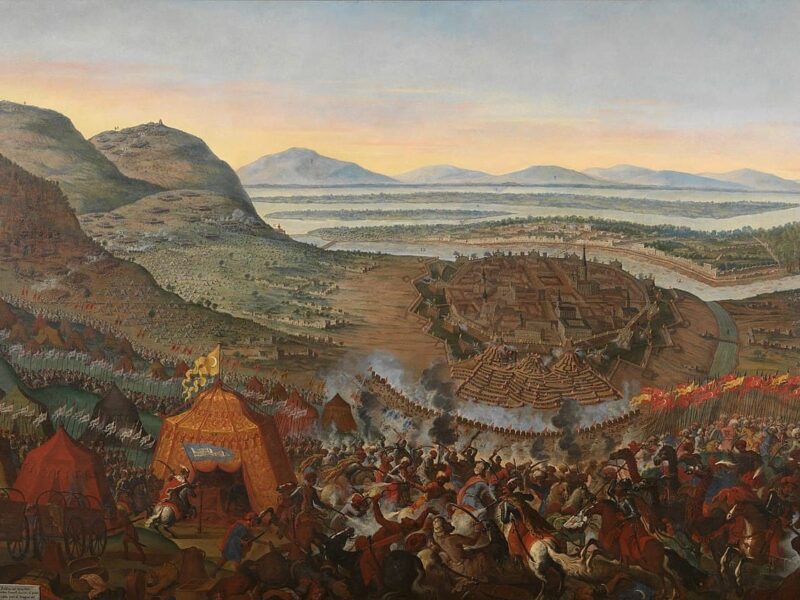
One of the many things mentioned after the September 11, 2001 terrorist attacks was that Al Qaeda had chosen that date as a way to invert the memory of the…
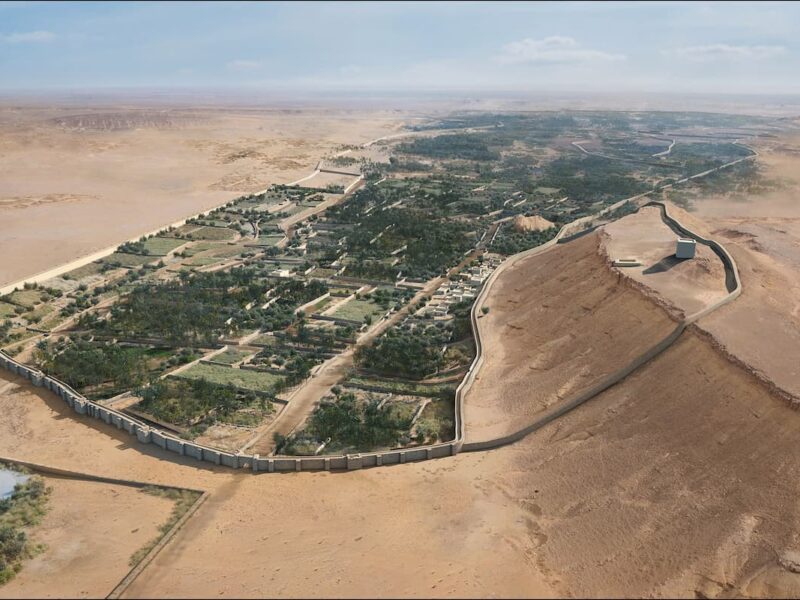
An international team of archaeologists has discovered a network of oases surrounded by walls and fortified, some over 4,000 years old. This complex reveals a sophisticated strategy for survival and…
Load more articles
Something went wrong. Please refresh the page and/or try again.