
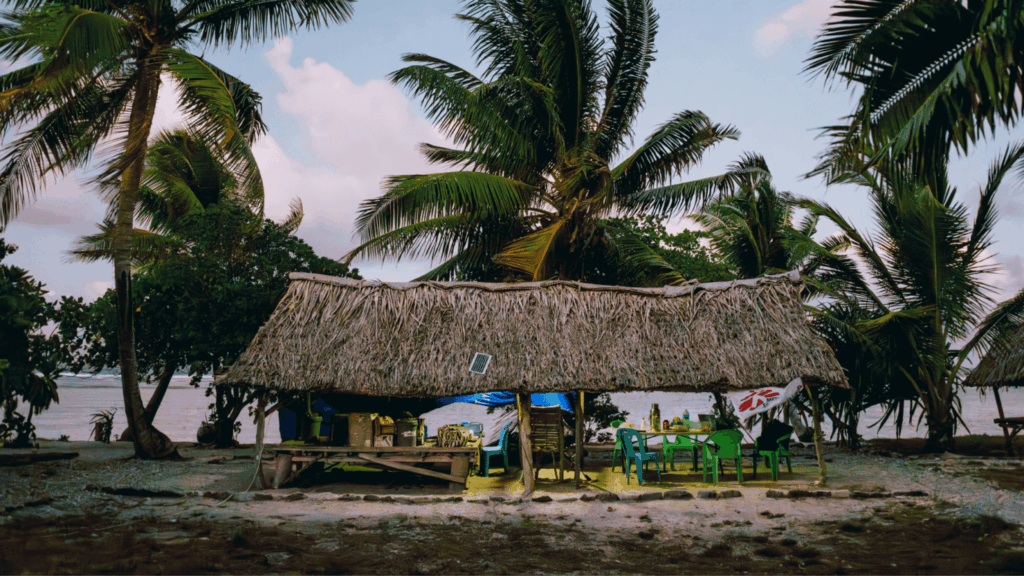
For the people of Kiribati, the climate crisis is a daily health threat. Rising sea levels contaminate freshwater, increasing diarrheal diseases, while extreme weather disrupts the food supply, worsening malnutrition. Warmer temperatures fuel mosquito-borne illnesses like dengue, and heat stress impacts people with heart disease and diabetes, as well as pregnant women. These challenges, combined with limited health care access, create a worsening cycle of poor health and vulnerability.
Erosion and the high salinity of soil as a result of rising sea levels have reduced the amount of arable land for farming. People instead rely on hyper-processed imported foods, which can lead to high weight and obesity and increase the risk of pregnancy-induced hypertension and gestational diabetes. Ninety percent of children live in food poverty, meaning they have limited access to a diverse and nutritious diet.
“Children are affected more as [malnutrition] directly impacts their growth,” said Batiua. Among children under 5 years old, more than 15 percent are stunted and 3.5 percent are affected by wasting. Malnutrition also makes children more susceptible to infectious diseases and other illnesses.