
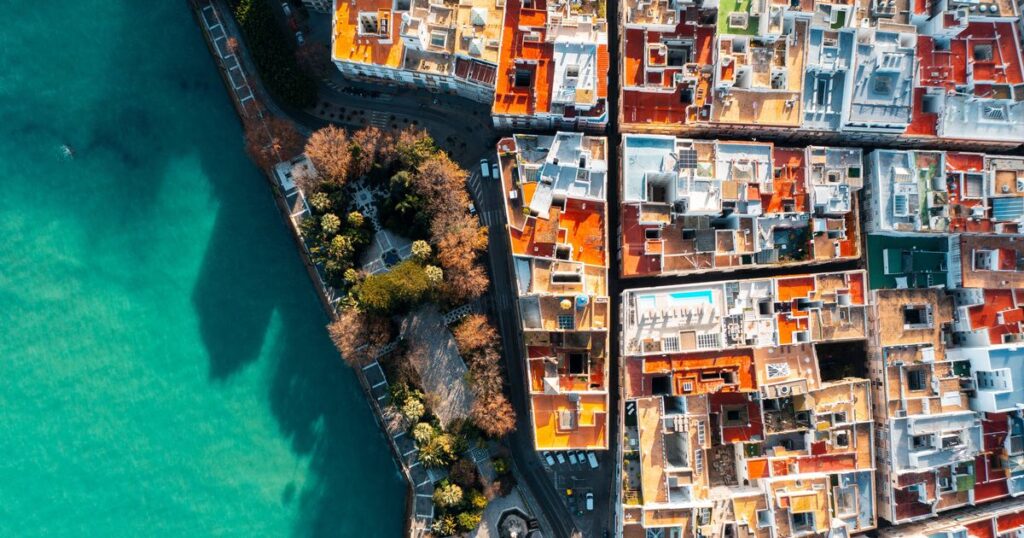
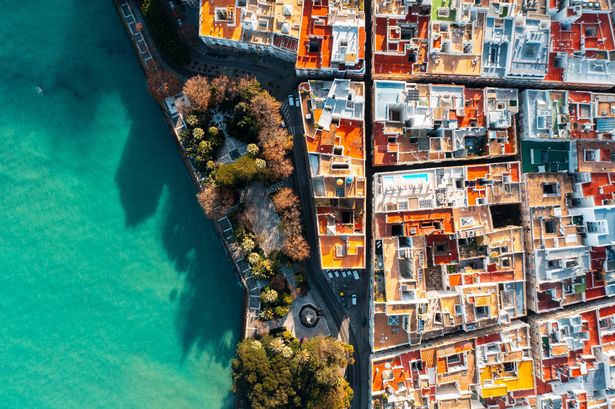
 Spain is one of the most popular and affordable holiday destinations for Europeans(Image: © Marco Bottigelli via Getty Images)
Spain is a premier vacation spot worldwide, known for its Mediterranean climate, mouth-watering cuisine, and historical landmarks.
Compared to other popular tourist destinations, Spain often stands out as a budget-friendly option. The European country is ideal for both solo explorers and family vacations. As the holiday season is in full swing, it’s essential to stay informed about the latest advice for your chosen destination.
The Foreign Office provides guidance on travel risks. If you decide to embark on a journey, make sure to thoroughly research your destination and secure appropriate travel insurance. The following information about Spain’s Entry Requirements is applicable for those traveling with a full ‘British citizen’ passport from the UK, but visitors from all countries should check their specific requirements.
READ MORE: Inside world’s most expensive airport with $20 beer, $7 banana and $24 Big MacREAD MORE: Airport baggage handler shares one item you should ‘never’ pack when going abroad
The Spanish authorities set and enforce entry rules, reports Chronicle Live. Spain follows Schengen area regulations. The countries within the Schengen area include Austria, Belgium, Bulgaria, Croatia, Czech Republic, Denmark, Estonia, Finland, France, Germany, Greece, Hungary, Iceland, Italy, Latvia, Liechtenstein, Lithuania, Luxembourg, Malta, Netherlands, Norway, Poland, Portugal, Romania, Slovakia, Slovenia, Spain, Sweden, and Switzerland.
British travelers heading to Spain need to verify their passport meets specific criteria, ensuring it was issued within 10 years of their arrival date and remains valid for at least three months beyond their planned exit from the Schengen zone.
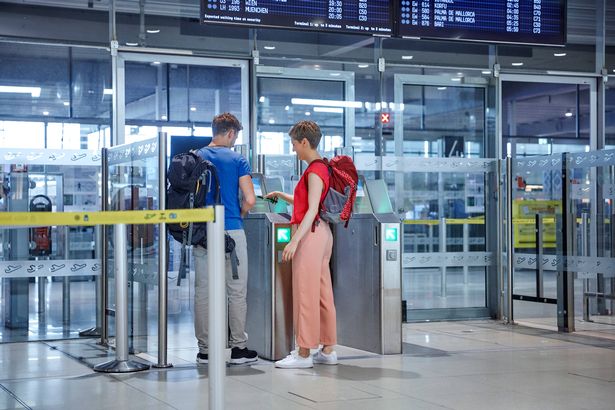 It is imperative to check the passport requirements before traveling(Image: Westend61 via Getty Images)
Not meeting these standards could lead to entry refusal, as the Foreign Office cautions: “You will be denied entry if you do not have a valid travel document or try to use a passport that has been reported lost or stolen.”
When you land, Spanish immigration officials might ask for:.
Safety and Security
On the safety front, the Foreign Office urges tourists to stay alert given the threat of terrorist incidents, noting: “Attacks could be indiscriminate, including in places visited by foreign nationals. Stay aware of your surroundings, keep up to date with local media reports and follow the advice of local authorities.”
Furthermore, visitors should remain conscious of possible protests, rallies, or processions, which may emerge suddenly, particularly in city centers. Seeking direction from local officials and law enforcement is advised.
To reduce potential dangers, tourists are advised to stay alert to street crime, avoid carrying all their valuables simultaneously, and remain vigilant against various scams, including car break-ins, assaults, sexual violence, drink tampering, and timeshare or vacation club cons. Additionally, travelers should get acquainted with local regulations and cultural norms to guarantee a seamless and pleasant vacation.
In specific areas of Spain, it’s prohibited to drink alcohol in public locations. If found breaking this regulation, you may face an on-the-spot penalty. Stringent rules are also enforced concerning public drinking and intimate conduct, including on beaches.
Local ordinances limit the sale and accessibility of alcohol in some resort destinations. Hotels and other venues won’t hesitate to remove guests who participate in risky behavior on balconies, which may also lead to a monetary penalty.
In some Spanish locations, it’s forbidden to walk the streets wearing only a bikini or swim trunks. Being topless is also banned in certain zones.
The Foreign Office cautions: “You could be fined if you’re caught wearing swimwear on the seafront promenade or adjacent streets.
“For security reasons, some public authorities in Spain do not allow the burka or niqab to be worn in their buildings. If you visit town council buildings wearing a burka or niqab, you may be asked to remove it while inside.”
Spain is widely recognized as a welcoming and progressive destination for LGBT+ travelers. Vibrant LGBT+ communities and social venues are prevalent, especially in larger cities, and same-sex marriage is legal.
Extreme Weather and Natural Disasters
Spain can experience extreme weather conditions, particularly during the summer months. Wildfires are a common occurrence throughout the country, including on the islands, during the summer season.
Flash floods can lead to travel disruptions and cause damage to properties and infrastructure.
Health
Before you depart, make sure your destination can accommodate any potential healthcare needs and that you have adequate travel insurance for local treatment or unexpected medical evacuation.
To avail of state-provided healthcare in Spain deemed medically necessary, you’ll need a Global Health Insurance Card (GHIC) or a European Health Insurance Card (EHIC).
In case of a serious incident or emergency abroad, contact your travel provider and insurance company. They will guide you on whether they can assist and what actions you need to take.
For the latest local news and features on Irish America, visit our homepage here.