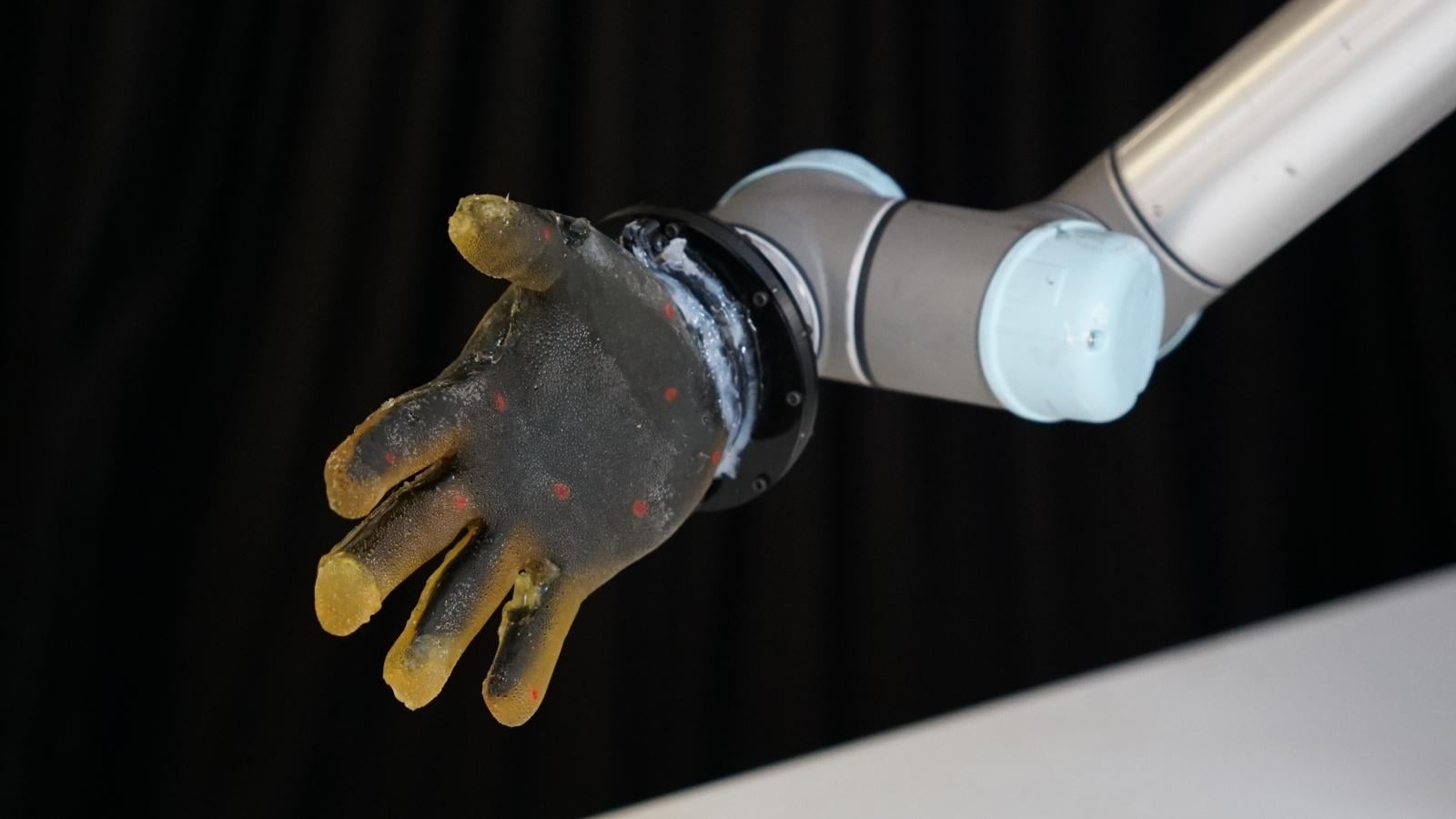
Scientists burned, poked and sliced their way through new robotic skin that can ‘feel everything’
https://www.livescience.com/technology/robotics/scientists-burned-poked-and-sliced-their-way-through-new-robotic-skin-that-can-feel-everything

Scientists burned, poked and sliced their way through new robotic skin that can ‘feel everything’
https://www.livescience.com/technology/robotics/scientists-burned-poked-and-sliced-their-way-through-new-robotic-skin-that-can-feel-everything
1 Comment
From the article
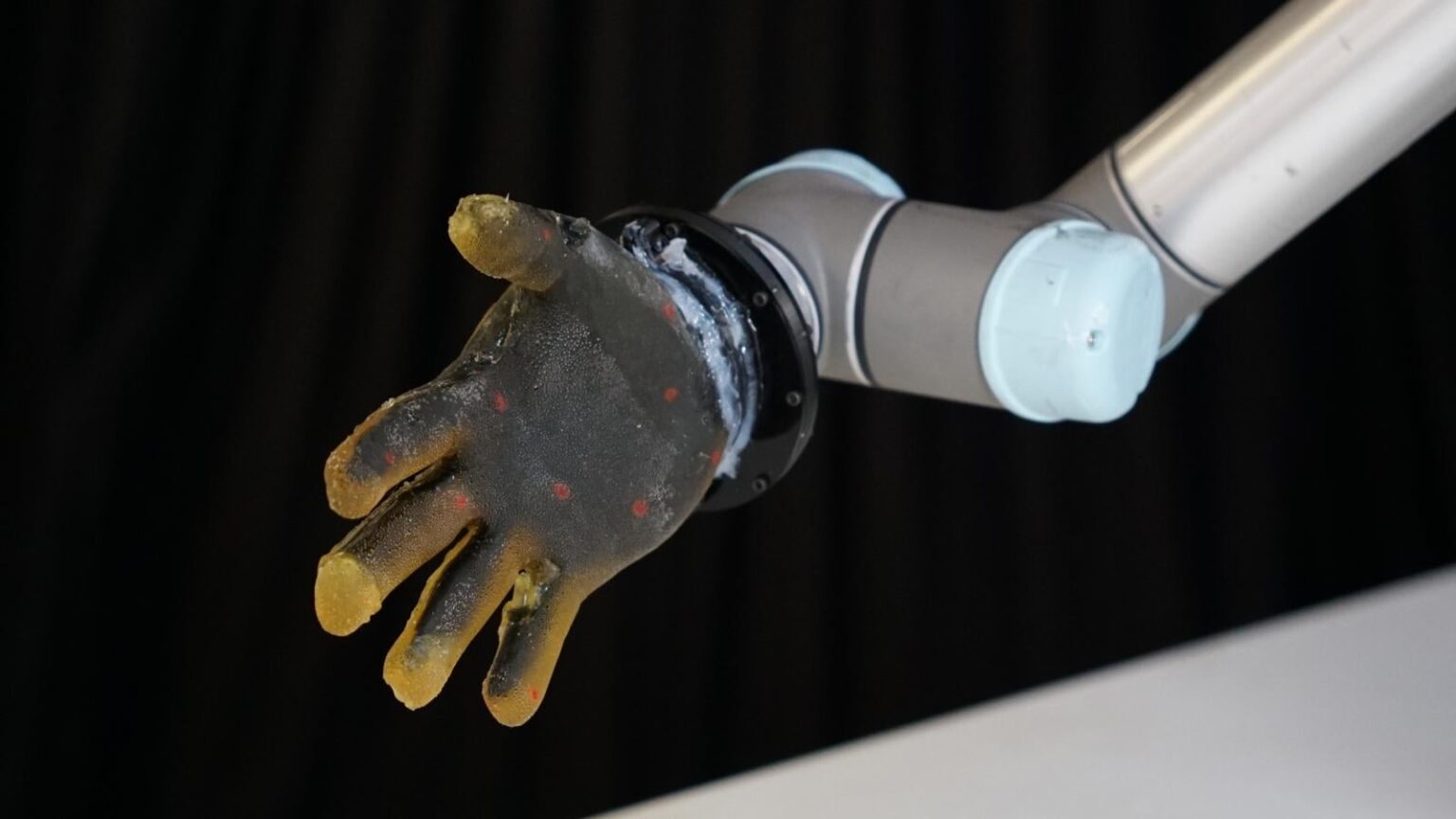
Scientists have developed a new type of electronic “skin” that could give [robots](https://www.livescience.com/technology/robotics/robots-facts) the ability to “feel” different tactile sensations like pokes, prods and temperature changes — and even the feeling of being stabbed.
The skin is made from an electrically conductive, gelatin-based material that can be molded into different shapes. When equipped with a special type of [electrode](https://www.livescience.com/50657-how-batteries-work.html), the material can detect signals from hundreds of thousands of connective pathways that correspond to different touch and pressure sensations.
The scientists said the material could be used in [humanoid robots](https://www.livescience.com/technology/robotics/the-most-advanced-humanoid-robots-that-emerged) or [human prosthetics](https://www.livescience.com/health/anatomy/you-can-get-the-feeling-that-you-are-touching-another-human-new-prosthetic-device-detects-temperature) where a sense of touch is vital, in addition to having broader applications in the [automotive](https://www.livescience.com/technology/electric-vehicles) sector and in disaster relief. They published their findings June 11 in the journal [Science Robotics](https://www.science.org/doi/10.1126/scirobotics.adq2303).