
Tuesday, July 8, 2025

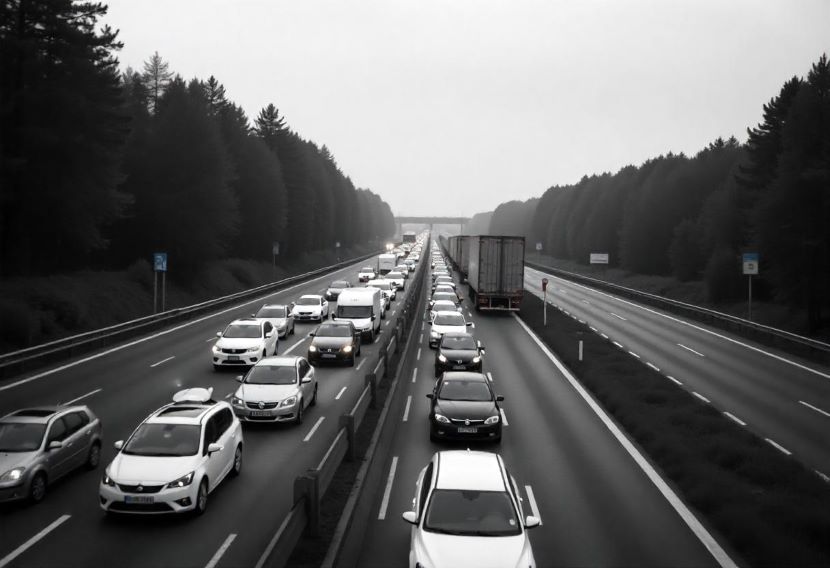
The autobahn A12 connecting Germany and Poland, a key artery for commuters and cargo as well as travelers, has been a traffic jam hotspot lately. While traveling between Germany and Poland, increased border control has led to significant delays. Coming to a head for Germany and Poland’s residents and commuters as well, both nations strive hard to mitigate the persistent congestion that’s become a day-to-day inconvenience for all.
Germany’s Interior Ministry has had stricter border control on its border with Poland after October 2023 in a move aimed at curbing irregular migration. These controls have, however, been accused of causing traffic congestion on the A12, particularly around Frankfurt an der Oder in Germany and Świecko in Poland. Since traffic flows freely on this major artery, steps by Germany’s government have been called into question by local leaders, businessmen, and commuters as these have been worst hit by disruptions.
Brandenburg Premier Dietmar Woidke and his Polish counterpart Marcin Jabłoński have urged the federal government to find solutions. Impacts on cross-border traffic have been plain to see, and frustration among people stranded in queues for longer periods is growing. In his reaction to local media, Woidke explained about the increased necessity to lessen pressure on infrastructure, choosing more efficient measures to lessen traffic pressure.
The Cross-Border Traffic Crisis: Rising Pressure on Travelers
The escalating traffic delays on the A12 motorway have brought attention to the shortcomings in the current border-checking procedures. While the German federal police have made efforts to ensure the smooth flow of goods and passengers, the road conditions tell a different story. The delays are frequent and long-lasting, with frustrated travelers often stuck in hours of traffic jams that are directly linked to the heightened security measures.
For many passengers traveling between Germany and Poland, the journey that was once a straightforward process has now become a cumbersome task. The changes implemented by the German government were intended to address concerns over irregular migration, but they have inadvertently created significant issues for commuters. These roadblocks are now becoming an issue of growing concern, not just for commuters but also for business leaders who rely on the swift movement of goods and services across the border.
Both Woidke and Jabłoński have raised their concerns with the German federal government, calling for urgent solutions. The leaders are pushing for a third lane to be created for checks on the A12, which could potentially reduce delays and speed up the process for travelers. This proposal is one of several being explored by officials on both sides of the border to ensure that cross-border traffic doesn’t come to a complete halt.
The Need for Joint Border Checks: A Potential Solution
In addition to physical infrastructure solutions, Premier Woidke has suggested the idea of joint German-Polish border checks. Under this proposal, both German and Polish police would work together to conduct border checks, ensuring that the process is faster and more efficient. Woidke, who has previously served as the coordinator for relations between Germany and Poland, believes this approach would streamline the process and signal better cooperation between the two nations.
“I see room for improvement in coordination with the Polish side,” Woidke stated. “Border checks should be conducted jointly by German and Polish police forces. This would significantly enhance efficiency and provide a better experience for travelers.”
Poland has shown a willingness to follow this path. In a recent statement, Polish Interior Minister Tomasz Siemoniak said that Poland is prepared to halt its own planned border checks, set to begin Monday, if Germany suspends its checks. Siemoniak emphasized that his country’s stance on border controls is tied directly to Germany’s actions. “If Germany lifts its checks, we see no reason to continue our own checks,” he said. This proposal signals the potential for better coordination between the two countries, which could drastically reduce the impact of border controls on travel.
Impact on Travelers and Business: Quick Tips
As travelers face growing challenges at the German-Polish border, it is important to stay informed and prepare for the delays. Here are some quick tips for travelers who plan to cross this busy border:
- Plan Ahead: Given the ongoing disruptions, it’s crucial to check the current status of border crossings before embarking on your journey. Both the German and Polish authorities regularly update travel advisories, so keep an eye out for news on border check delays.
- Use Alternate Routes: While the A12 is the main motorway linking the two countries, exploring alternate routes could save valuable time. Local traffic reports and GPS apps can help identify the best alternatives to avoid the busiest areas.
- Travel During Off-Peak Hours: If possible, try to cross the border during non-peak times. Early mornings and late evenings tend to be less crowded, which could reduce the amount of time spent waiting in traffic.
- Stay Informed on Joint Measures: If the proposal for joint border checks goes through, travelers may experience a smoother and quicker crossing. Stay updated on any progress regarding this initiative to see if it improves border crossing times.
- Consult Local Authorities: For those traveling for business or long-distance journeys, contacting local authorities in both Germany and Poland can help you navigate any roadblocks. Being proactive will allow you to adjust your plans accordingly.
The Bottom Line: What’s Next for Cross-Border Travel Between Germany and Poland?
The rising traffic congestion on the border between Germany and Poland is a proof that yes, more needs to be done to lessen the flow in a more systematic way. Whilst overdue on the part of Germany’s initiative to stop irregular migration, its indirect ramifications on travelers and firms cannot be debated. Whilst measures that include additional lanes and joint border controls are awaited, Germany-Poland collaboration will form the basis to finally put a stop to this ongoing crisis.
The efficacy of these planned measures can potentially unlock future freedom of travel between both countries. Both corporate commuters and holidaymakers alike are hopeful that these measures will deliver a long-term solution to the frequently infuriating delays that have become a regular experience throughout this part of Europe. In the interim, focus falls on how precisely the two countries will work together to ensure cross-border travel drops into a state of convenience and speed once more.
Tags: A12 motorway, border checks, Brandenburg, cross-border travel, Germany Interior Ministry, Germany-Poland border, joint border checks, polish border, Polish border checks, traffic disruptions, traffic solutions, Travel Delays
