
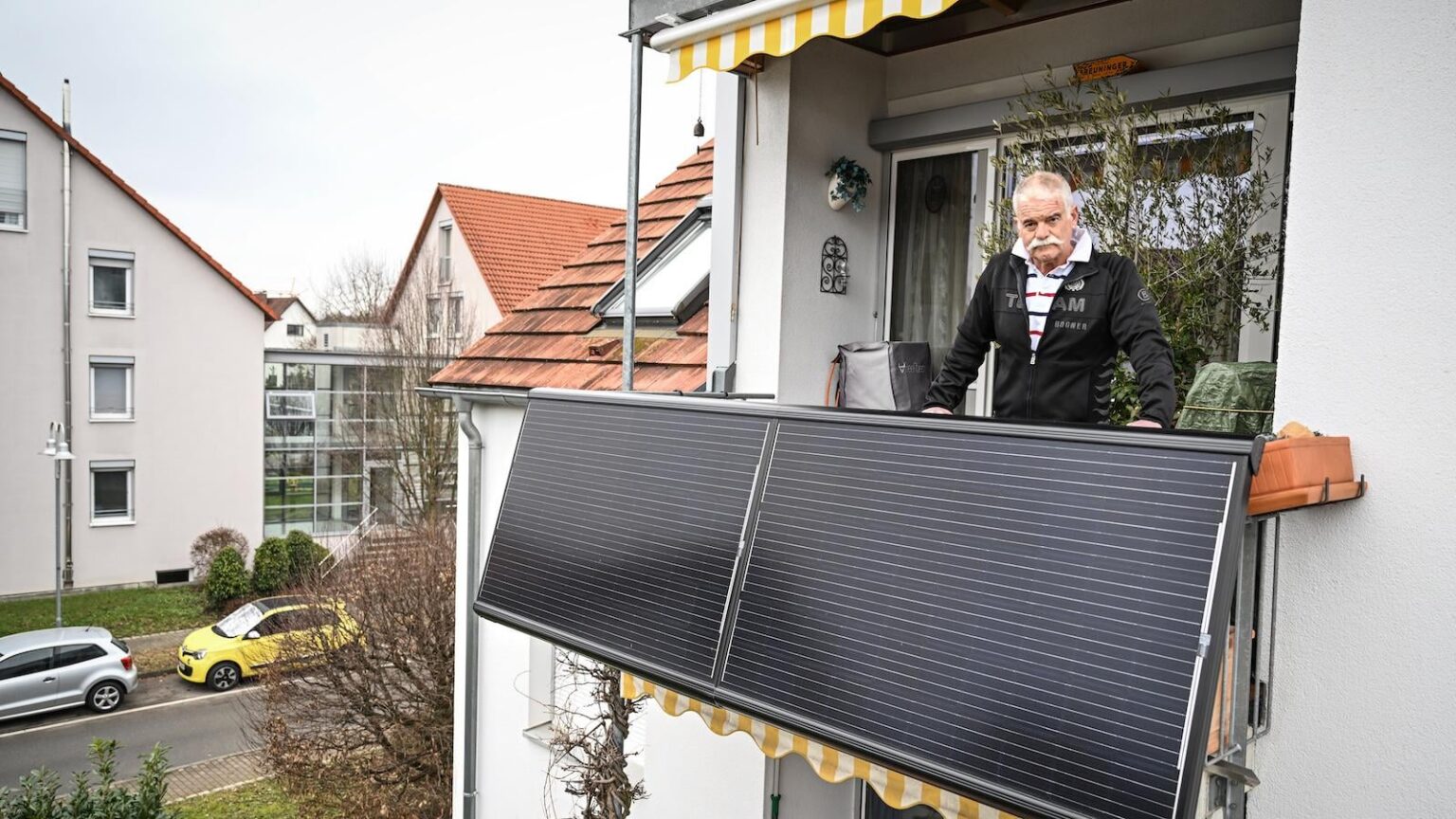
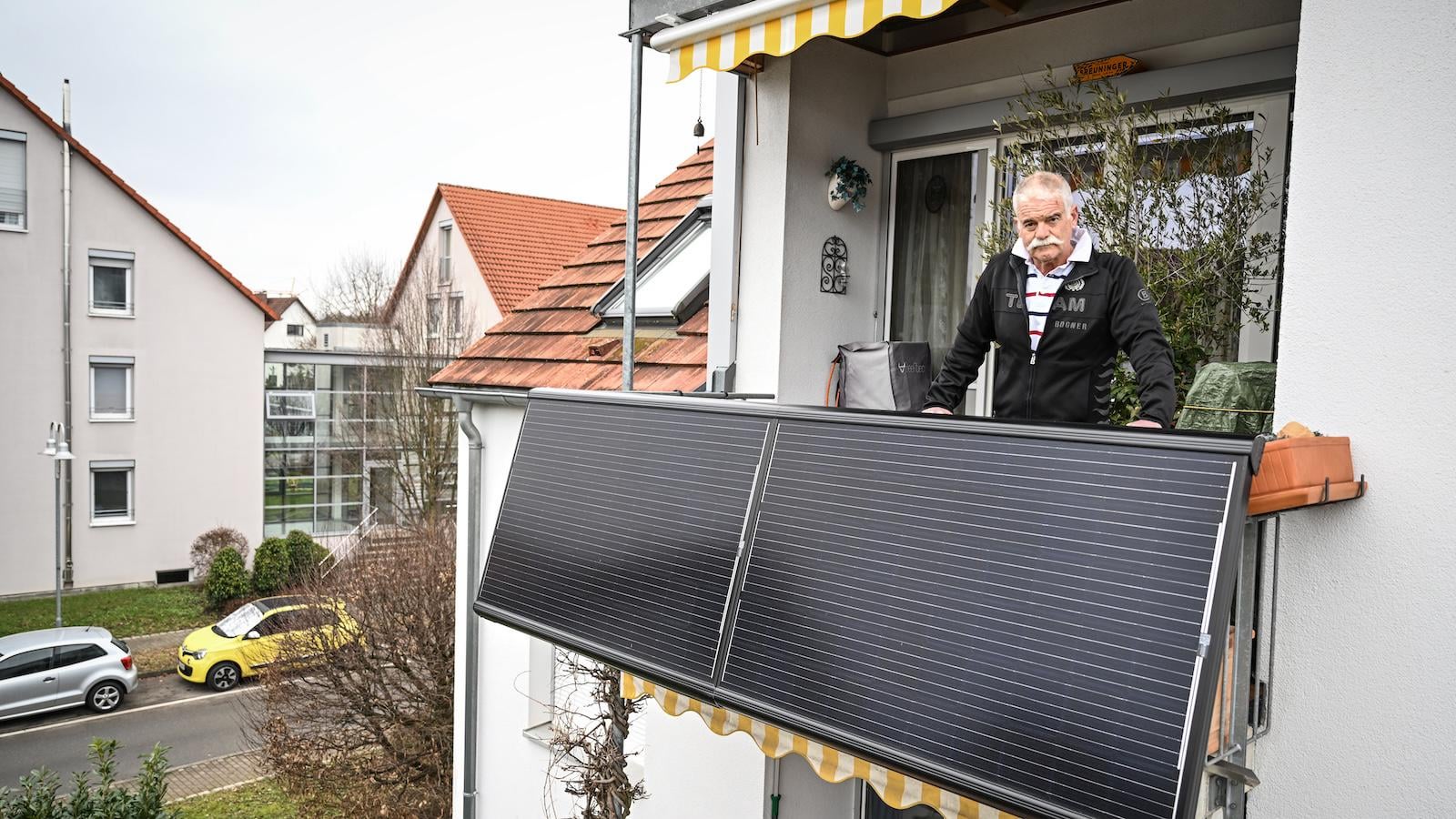
The new law will allow consumers to install solar in their homes without the need to connect to the grid; however, more needs to be done.
"Regulations and standards governing electrical devices haven’t kept pace with the development of the technology, and they lack essential approvals required for adoption, including compliance with the National Electrical Code and a product safety standard from Underwriters Laboratories. Nothing about the bill Ward wrote changes that."
The fossil fuel industry has the current US administration in its pocket. Once they see they have leverage with national requirements like this, expect them to exploit the situation with delays and blocking tactics.
But it will only work for so long. They can't hide what is happening in the rest of the world, and more and more Americans will be wondering why they can't have the cheap energy everyone else is enjoying.
Utah becomes the first US state to allow consumers the freedom to install rooftop/balcony solar without the regulation that doubles its cost compared to Germany.
byu/lughnasadh inFuturology
19 Comments
The NEC is written in blood, and is as bare minimum as you can get.
Tye requirement to connect a domicile with public utilities is kind of bullshit
However, if people are doing installs and not following code, folks gunna be dyin.
Makes sense because of how many solar sales reps are from Utah….
Makes sense. Most people are not interested in installing solar AND connecting it to the grid as a package. Solar is actually very useful outside the grid – water heating, cooling – that often come in standalone packages that operate strictly in-house and don’t need wider connection. This will help spread solar as a whole AND pave way for better, cheaper solutions for connecting to the wider grid.
But keep in mind HOA/council can block your rooftop/balcony installation on grounds of not matching the style/architecture or being disruptive/ugly/messy sight or other local laws and rules. It is strictly concerning the paperwork and permits for the grid connection.
Look. Solar is great but the real benefit for me are batteries. Yes I have a bunch of panels here in my EU country so I micro generate and export to the grid.
But the real benefit for me with batteries is I buy my electricity on a very cheap night rate to charge my batteries off peak and then run my house during peak.
Details – yes I drive an EV and charge that on a cheap rate too.
Yes the batteries required a fairly chunky outlay but the ROI for me is about 6 years without the additional solar being factored in. About 5 with solar.
Yes I have a smart meter which allows for this.
Yes my utility offers a smart EV tarrif that allows me to buy electricity for about 5 hours in the early AM.
And yes, solar requires UV. Today we’re in a bit of a heatwave here with no clouds in the sky and generated 35kwh of electricity. I’m paid .19c per kWh and buy off peak for .08c in my country. It’s a total no brainer for me. But again it requires a fair old chunk of capital outlay.
[Here’s a recent visualization](https://i.redd.it/dl0ydje7v8bf1.gif) of the growth of balcony solar installation in Germany since 2022.
This does not include rooftop solar.
Credit: /u/tandanu
47 talks about eliminating regulatory roadblocks well, how about helping out here?
Oh, this would upset your oil patch buddies?. I forgot who owns you.
The current solution if you want to get around grid tie is to install a transfer switch, a solar inverter battery and power a few circuits with it.
Works fine, but it’s decent amount of work.
Nothing beats plugging a box in the wall and being done, especially for apartment dwellers and renters
I’m surprised our corporate overlords permitted this. I’ll believe it when I see it.
The “regulation” is there at the behest of oil companies, not because it is needed. Props to a red state getting this through first but it needs to happen everywhere
This is actually huge. The fact that regulatory red tape was literally doubling solar costs is insane. Utah might not be the state you’d expect to lead on this, but props to them for cutting through the bureaucratic nonsense. Hopefully other states follow suit quickly.
As best I can tell from all the articles/videos I’ve seen about this, the end result (so far) is that there is no real expectation that European style “balcony solar” (which a consumer can just plug into an outlet) will be approved/allowed anytime soon, even in Utah. You still need to follow NEC, and plugging a solar system into a random outlet does not follow NEC.
But, what this new law seems to end up allowing is for small scale solar to be installed on a dedicated circuit into the panel (like a standard residential rooftop solar install today) but without the permit/certification hassle. In other words, a consumer still needs an electrician to install, but you at least bypass a lot of red tape that historically often taken traditional solar installs months to get through.
In the long term, I supposed dedicated small-scale solar dedicated circuits with pre-wiring could become standard features on homes/apartments, similar to EV charging outlets.
Disclaimer: I’m not an electrician. I’m just an interested person who tried to research and understand this.
I love how they are acting like the NEC is some oil company conspiracy.
I worked in the power industry for many, many years.
I agree in principle with being able to put your own solar up. I’ve rigged up my own transfer switch to run a generator during outages. I have no issues with any of this.
But the reason that there are rules about connecting Solar (or generators) to your main house panel is because you can quite literally kill someone on a power line amongst many other issues, if you don’t have the thing setup properly.
You cannot have “the wild west” where people just slap panels on their roof and wire it into the breaker panel after watching a 3 minute YouTube video.
Running your own panels which directly connect to an appliance/outlet? Sure, whatever, go for it.
But as soon as you have that thought “I should run this into my main breaker panel” is where all the problems start.
This is a huge step for rooftop solar, but the next fight is getting UL and the NEC on board with standalone inverter standards like UL 458. We need more test data from German balcony systems submitted to UL and public comments in the NFPA code cycle to show safety and performance. Engaging with local solar co-ops to draft those comments and pushing state legislators to reference the latest NEC edition can really speed things up. And if juggling all this regulatory work feels overwhelming, I’ve been using gonnabeok.app to clear my head and stay focused during long policy debates.
Utah doing something progressive…wow. I’m sure ten other things regressed.
claptrap, regulation doesn’t double the cost in the US compared to germany, more BS right wing talking points about “big gubmint”
the majority of the cost is the labor and panels
In Germany (and the rest of Europe), how do the utilities handle the surplus? Is it just let the dial run forwards/backwards and charge when there is positive change? Do they have buybacks and such? With those systems I see from them, many of them are small applications where they just go into an outlet rather than being major installations, so that may also be a factor.
Fantastic news. A single panel can put a huge dent in your bill.
Especially if you can get 660 watts panels. Most of the day we use less than that an hour. So that’s huge. Get 2 panels and you are laughing. Hurry up and export that around the world
As a son of Utah that prefers living elsewhere I always find it odd when they choose to be progressive and when they’re die-hard conservative. You’ll figure it out someday, Utah.
Huh. I have a system with rooftop solar feeding into a battery connected to a transfer switch, so I can toggle circuits back and forth between solar and grid. It just doesn’t feed electricity back upstream. Passed inspection with no problem. Not clear what the issue is here.