
Tuesday, July 15, 2025

With climate change now hitting with full force across Europe, some of the continent’s most cherished vacation spots — Spain, Italy and Greece — have turned into danger zones over the summer, whipped by record temperatures, rolling wildfires and dwindling coastlines. On the other hand, Norway, Bulgaria, Romania and of course Poland are looking to be the safe havens for international travelers who are looking for cooler weather, less risk and more affordable breaks. It’s a dramatic about-face that will likely be a bellwether of a permanent sea change in the European tourism industry—one catalyzed by environmental disasters, fears of public health emergencies and increasing desire for sustainable, climate- proof travel choices. The tourists are no longer chasing the sun — they are running from it.
Tourism in Southern Europe on the Line as Heatwaves, Wildfires, Climate Chaos Shakes up Travel Patterns Across the Continent
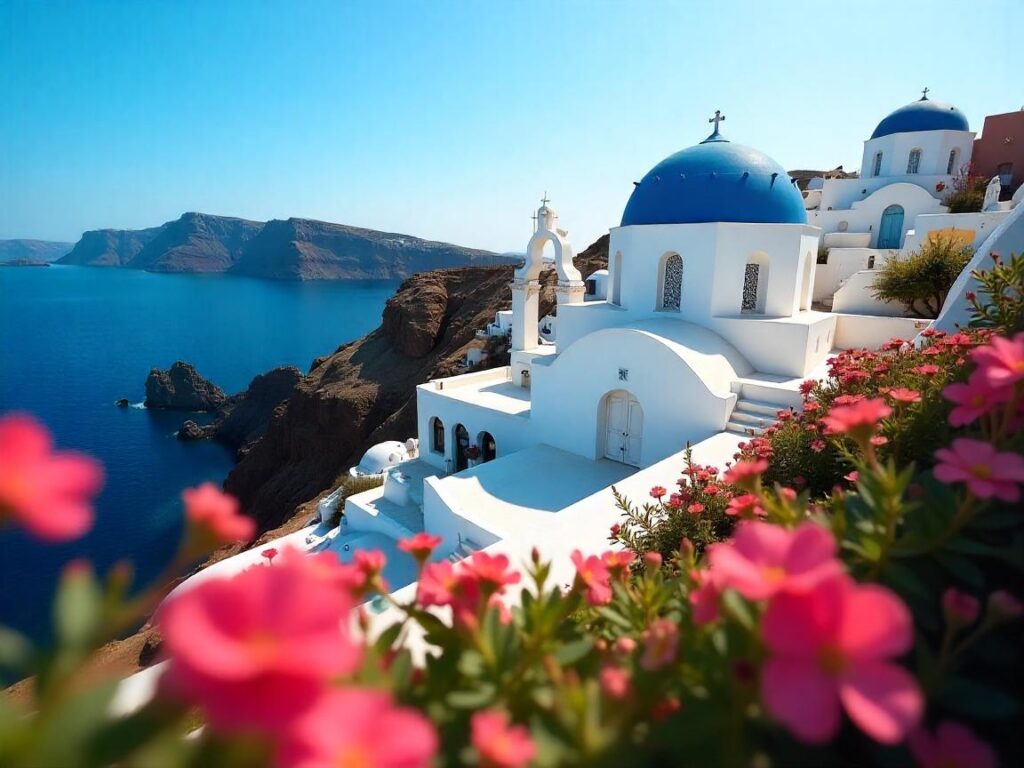
The beaches of Spain, Italy and Greece, glittering paradises of summer where tourists from northern climes look forward to dream vacations, are now on the front lines of climate change. Rising temperatures, burning forests and shrinking beaches are forcing a change in the European travel map. Mediterranean jewels,they now find themselves wrestling with a harsh reality: summer may not be their season anymore.
In parts of Spain’s Andalusia, southern Italy and the Greek islands, temperatures have reached even more than forty-six degrees Celsius, making the conditions just as unpleasant for locals as for tourists. The once placid beach getaways have become heat zones that are hot to trot out of: Who’d-a-thunk it?
This unfolding crisis was recently captured in a New York Times report, which announced that the “face of Europe’s summer tourism is being rewritten completely” by climate change. Soaring temperatures mean holidaymakers are shunning southern Europe for cooler north. This feeling is supported by research from the European Travel Commission (ETC) which reported that more than three-quarters (76.4%) of Europeans have moved away from planning their summer holidays as a result of the same considerations over the weather. Almost 34% of respondents said they made a point of not going to places at a high risk of extreme weather.
The prospect is particularly distressing for senior travelers. That’s according to a different survey from travel insurer Insureandgo, which found three quarters of older people in the UK think some European holiday spots will be off limits in just 5 years, thanks to rising temperatures.
The tourist-dependent economy of Southern Europe worsens its susceptibility. For example, Spain derives as much as twelve percent of its gross domestic product (GDP) from tourism—four times more than countries such as South Korea. So any threat to the industry is a major threat to the economy.
In 2023, a popular Greek island, Rhodes, suffered a catastrophic wildfire that drove 19,000 residents and tourists to flee. In the same year, Europe suffered more than 47 000 heat-related deaths, according to the Barcelona Institute for Global Health (ISGlobal).
Other regions like El Granado in Spain have seen record temperatures of forty-six degrees Celsius in June as travel season for this year kicked off. Meanwhile, famous destinations remain battered by beach erosion. The beaches of Barcelona lost more than thirty thousand square meters of sand in the space of just five years. In adjacent Mongat, the beach has gotten so narrow, sunbathers no longer fit.
Farther south, Marina D’Or, known for a glitzy resort complex near Valencia, has lost parts of its beach to storm surges and unpredictable weather. In the face of such utterly transformed reality, travelers are rethinking their holiday options.
Now governments are starting to respond to the crisis. Spain has declared climate change a national tourism security threat and places eco-friendly reforms at the top of its tourism agenda. Barcelona is spending 1.8 billion euros on expanding green urban spaces and erecting climate shelters to cool the city down. Greece, too, has implemented a “climate crisis restoration tax” on tourists to help pay for environmental recovery.
In a bid to alleviate pressure at the height heat of the summer, the tourism authorities are now pushing for outside-of-summer travel instead, endorsing spring or fall trips. These efforts have already begun to pay off, with these campaigns gaining traction. Greece enjoyed a 20 percent increase in the number of tourists in the spring over the same period in 2023. Spain also experienced an increase in international visitors of twenty percent on the months of January and February this year in comparison with 2019, according to Euronews.
Northern Europe, in contrast, is benefiting from Bandwagoning Tourist Flows. “Coolcation,” as it were, found its way into the travel lexicon — and tourists followed its path due north. British-based travel agency Intrepid Travel has noted a forty percent increase in booking to Scandinavia year on year. Agencies such as Magnetic North Travel report a doubling of inquiries for family trips to Norway’s fjords, with outdoor adventures such as kayaking and hiking.
Even Eastern European countries, and not just the likes of Bulgaria, Romania, Poland, and the Czech Republic, are catching up. These regions provide cooler weather and less expensive experiences than typical Southern and Northern European destinations.
“As public health experts, we are not only advocating for these changes. One possible tipping point is the point of no return for the Mediterranean, says Bas Amelung, a professor at Wageningen University in the Netherlands, if it continues to be plagued by annual heatwaves and wildfires. “It could fundamentally transform the way in which people think about summer vacations,” he told Euronews.
Flummoxed vacationers are fleeing blistering Southern Europe as climate change makes deadly heat, wildfires and depleted beaches a summertime norm, leaving popular cooler and safer destinations like Norway, Bulgaria, Romania and Poland beaming over record tourist numbers.
The new European summer can no longer be characterized by a shimmering shoreline and sunlight that never sets. As climate pressures mount, travelers, policymakers and people who make money off tourists need to adjust to this new, more disruptive era — one where picking a vacation spot may increasingly rise or fall not only on sights and deals, but also on climate data.
