
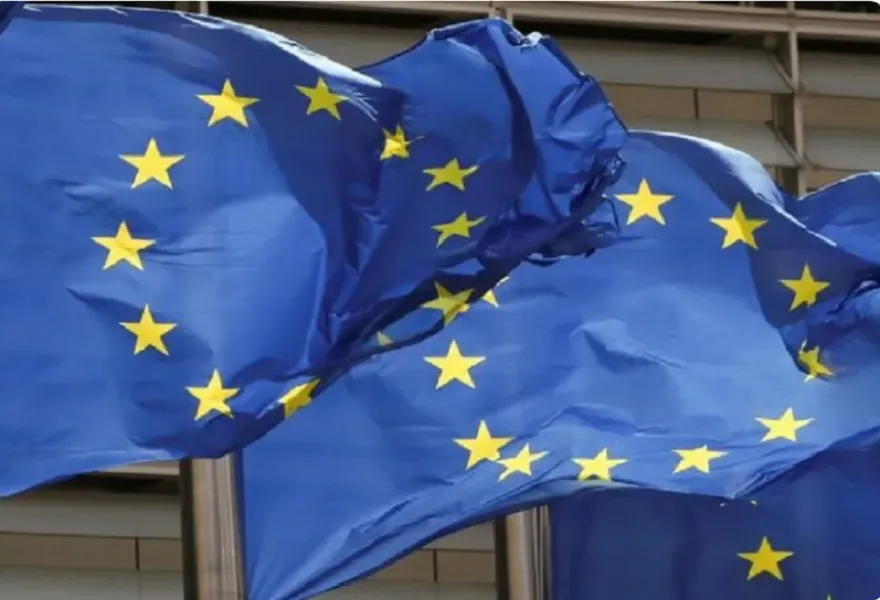
Three years since the opening of negotiations for Albania and Macedonia’s EU membership
Albania and North Macedonia officially opened negotiations for membership in the European Union a year ago.
During the first intergovernmental conference with the EU, the prime minister of Albania, Edi Rama, said that Europe enables the Western Balkans to be a country of peace and prosperity.
Meanwhile, Macedonian Prime Minister Dimitar Kovachevski declared that after 17 years of receiving candidate status, a new perspective is opening for the citizens of his country and the state is joining the EU.
The opening of talks on Skopje and Tirana came after on July 16, 2022, the Assembly of North Macedonia approved a French proposal that enabled the lifting of Bulgaria’s veto on the start of talks with Skopje.
North Macedonia received candidate state status in 2005. In 2009, the European Commission recommended the opening of membership negotiations, provided the country resolved its name dispute with neighboring Greece.
After the resolution of the name issue in 2018, the initiation of the process was initially decided by France, which requested a change in the methodology in the accession negotiations. In the end, Bulgaria blocked the negotiations, making the opening of the process conditional on the resolution of the dispute over language and history.
Albania received candidate status in 2014 and from 2018 there was a recommendation to start negotiations, but it was included in the same package as Skopje and had to wait for North Macedonia and Bulgaria to come to an agreement on the differences.
During the 5th Intergovernmental Conference held in Brussels on 22 May 2025, between the European Union and Albania, the Council of the EU approved the opening of negotiations for 8 new chapters from the Third Group “Competitiveness and Inclusive Growth”.
In just eight months, from October 2024, when Albania opened negotiations for the first and most important group of chapters, that of “Foundations”, the country has managed to open almost two-thirds of the negotiating chapters, 24 chapters out of 35 in total.