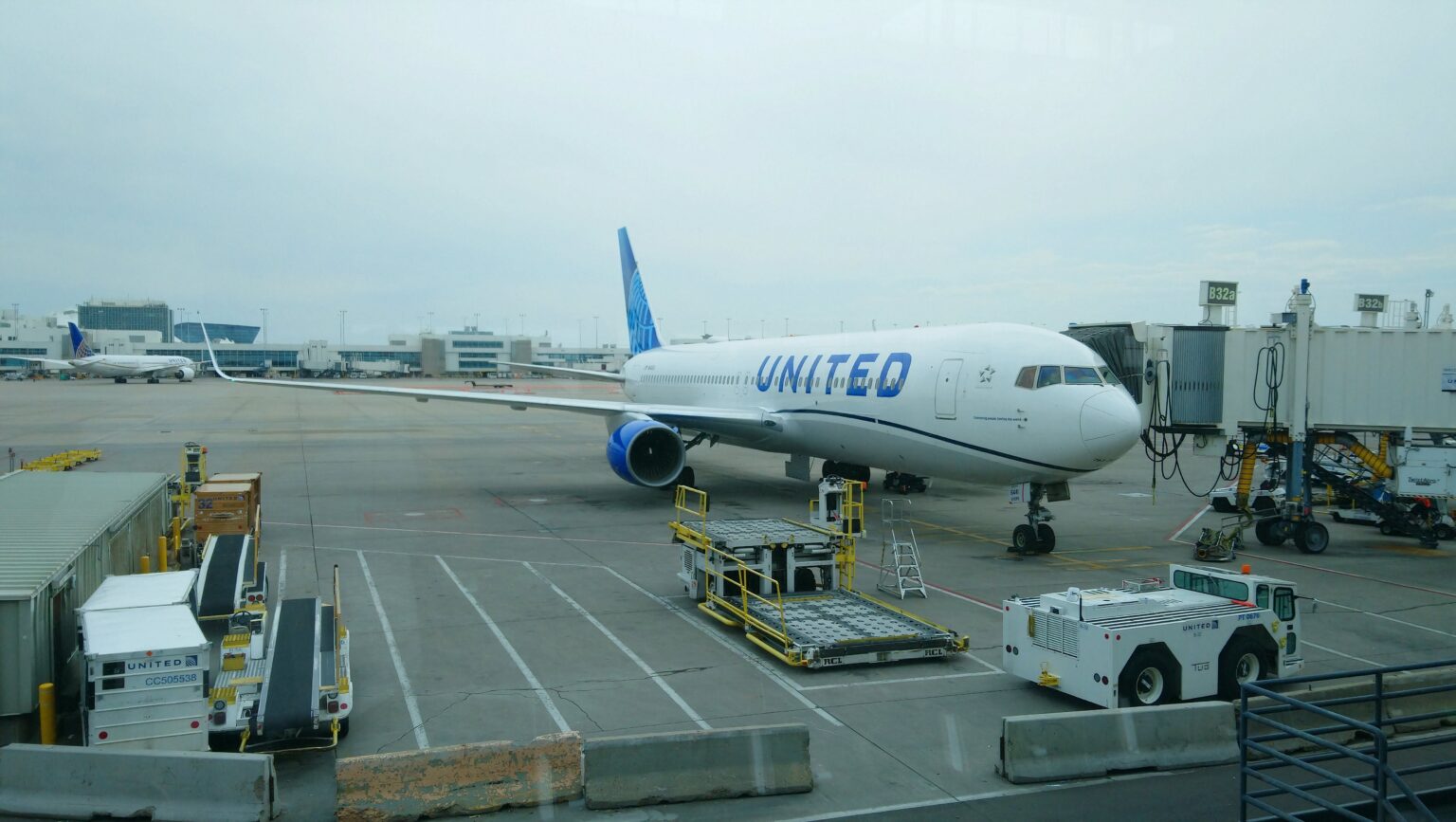
On July 17, 2025, United released its financial report for the second quarter of 2025. As part of the report, United also hosted an earnings call. During this call, a reporter raised a question about potential changes to United’s Polaris business class, to which United’s Chief Customer Officer, Andrew Nocella, hinted that the carrier was exploring the option of introducing a basic fare class for Polaris.
In the United States, a basic economy fare essentially gives a customer a seat, and that’s it. On United, domestic passengers are prohibited from bringing carry-on bags, travelers must pay to check bags except for certain transpacific routes, customers cannot assign their own seats, and flight changes are not permitted. The idea is to introduce some of these restrictions into a lower-priced fare for business class.
What United Polaris Basic May Look Like
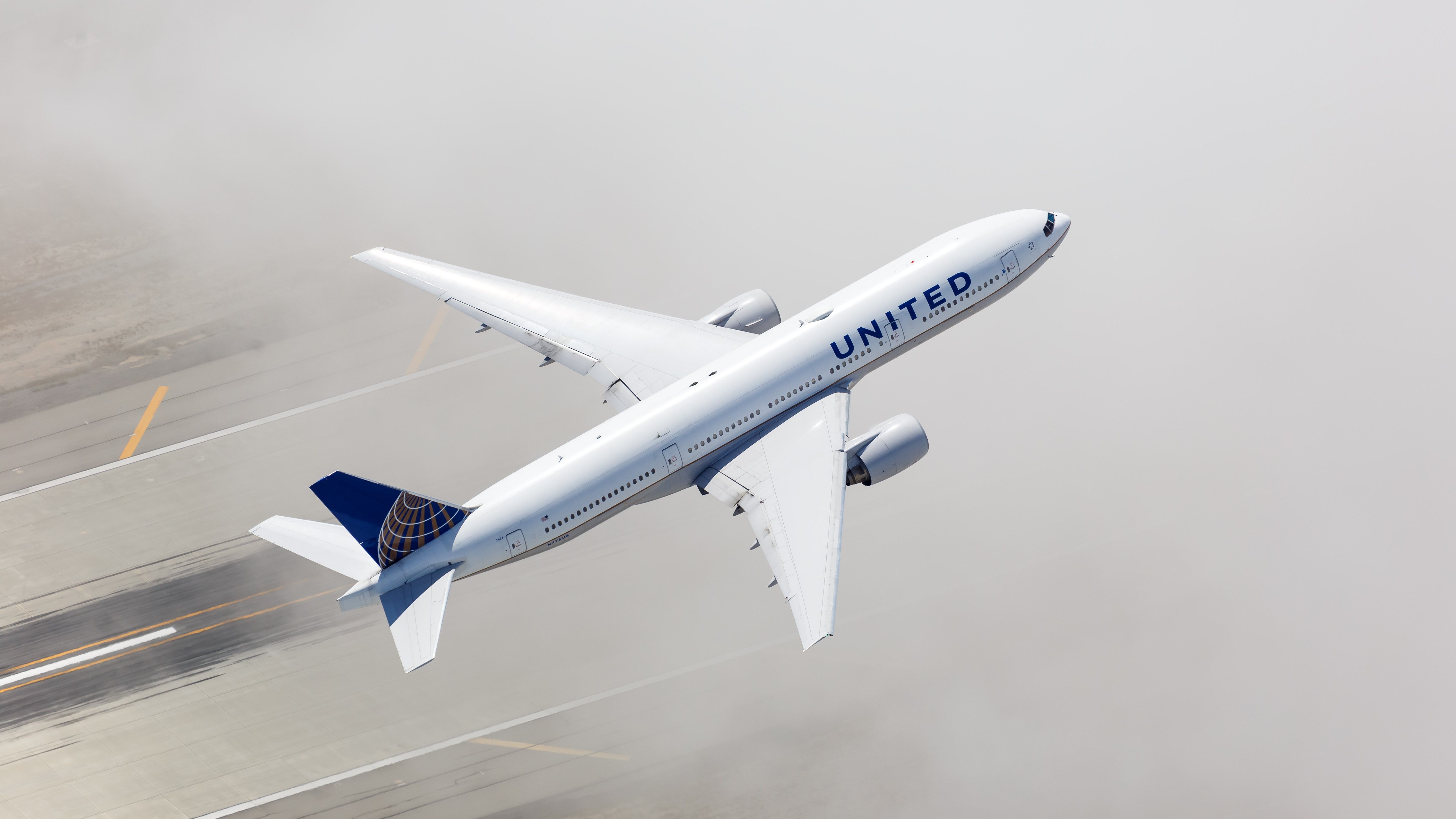
Photo: Markus Mainka | Shutterstock
Currently, United Polaris customers receive a wide range of services. From the start, Polaris customers receive Premier Access, which includes priority check-in, priority security lines, priority boarding, and priority bag handling. Polaris customers receive access to the Polaris lounge. These can be found in six of United’s hubs and are positioned above the United Clubs. Additionally, Polaris customers also receive access to lounges operated by partner airlines.
As United has not confirmed the introduction of a basic Polaris fare, it’s difficult to fully determine what this could include. However,  Emirates already sells similar tickets labeled as “Special” on select routes, which can indicate what United’s basic Polaris fare could exclude. This fare class does not include lounge access, does not permit advance seat selection, and has higher fees for flight changes. Additionally, passengers do not receive chauffeur services and earn fewer miles.
A basic United Polaris fare will likely look more similar to Emirates’ “Special” fare rather than United’s own basic economy ticket. Expect access to Polaris lounges to be eliminated, and mileage earning will almost certainly be reduced. Seats will automatically be assigned, while Premier Access may also be on the chopping block. While flight changes will certainly be more expensive, it’s difficult to judge whether United would be willing to fully restrict them. In response to a question about bare bones business class during the earnings call, Nocella said:
Look, what I would say is over time, over the last 7 or 8 years, we’ve leaned heavily into segmentation of our revenues, which is really in our articulate way of saying, providing more and more choices to our customers so they can pick the experience they would like from premium to basic economy. And we have learned through that time period that our customers really appreciate this. Not everybody wants the full experience. Some people want other experiences. And so the value to United as an airline and to that of our customers has been proven by the segmentation of revenues that we’ve done. And we look forward to continuing to diversify our revenue base and segment it in the appropriate way, and I’ll leave it at that.
Why Is United Airlines Considering This?
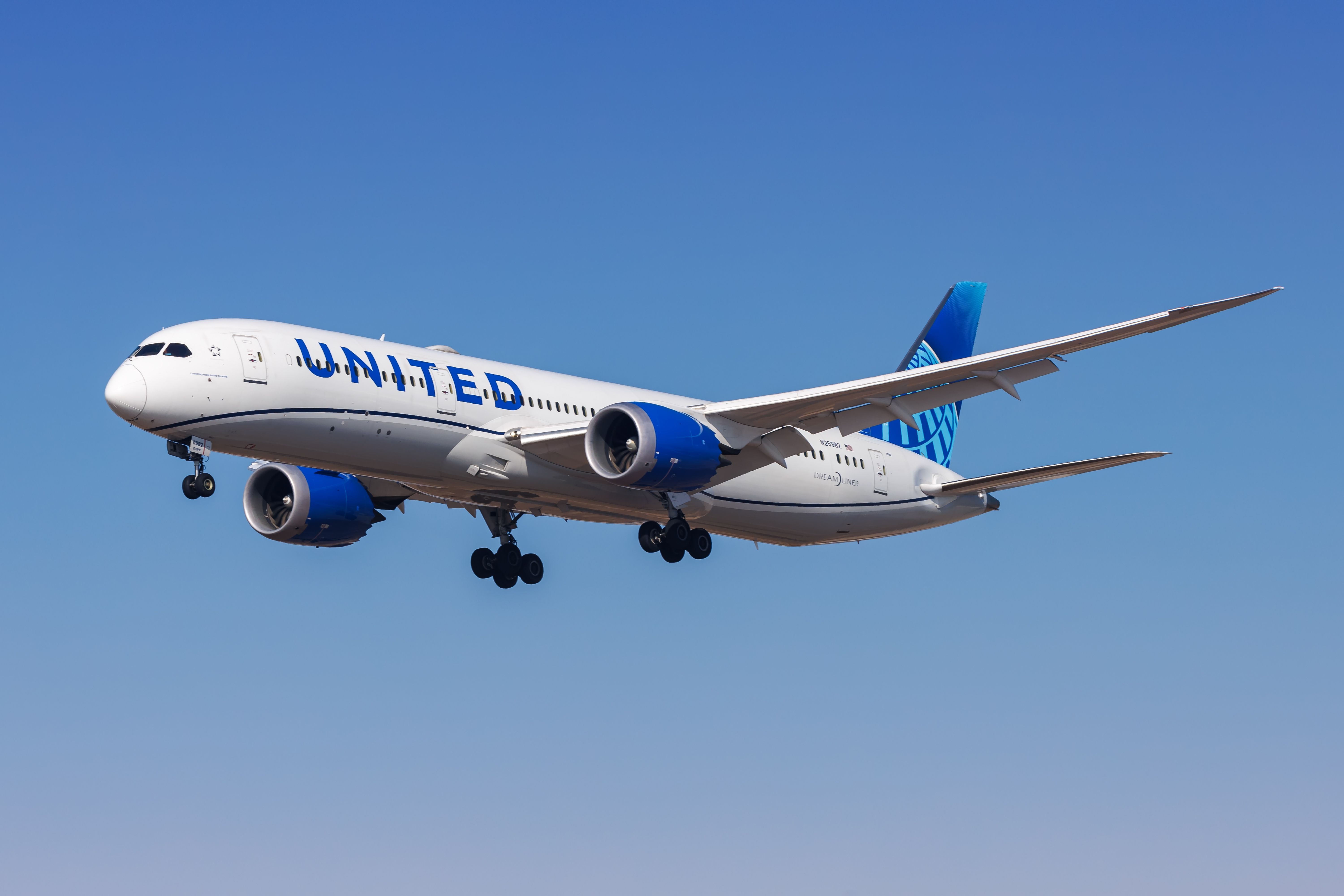
Photo: Markus Mainka | Shutterstock
Traditionally, business class appeals to business travelers working for a company with which the airline has a contract. As such, airlines include a wide variety of perks such as lounge access. This has long been the industry standard; however, the industry is changing. Currently, premium demand is at an all-time high, but much of this demand is made up of leisure travelers spending extra for business and premium economy.
Leisure travelers are inherently more price-sensitive than business travelers. An unbundled business class fare allows passengers to avoid purchasing extras that they may not need, while also allowing airlines to upsell customers to higher fare classes. In the end, this is a lucrative proposition for any airline, and the decision on whether to introduce unbundled premium tickets largely depends on whether customers will accept it.
Not only does this create upsell opportunities for airlines, but it also helps with revenue management. United and other US airlines are extremely savvy at filling their planes with passengers paying a wide variety of fare classes. These carriers are standardizing on larger aircraft because if the economy cabin isn’t selling, they can simply release more basic economy fares. Introducing unbundled business class fares would allow United and others to more effectively manage premium revenue.
Related
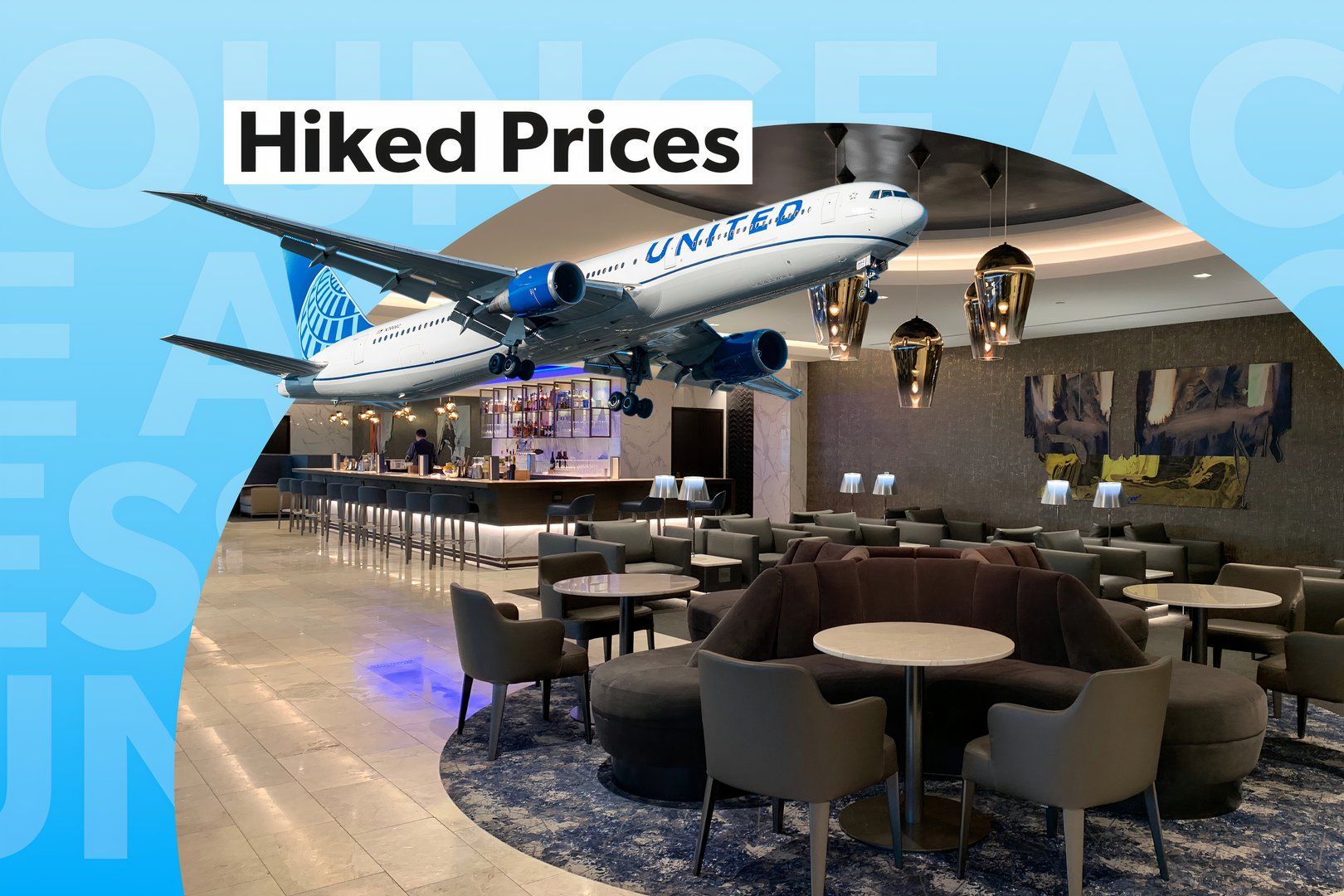
How Much More You’ll Have To Pay For A United Airlines’ Co-Branded Credit Card & Lounge Access
Annual credit card and United Club membership fees have gone up.
Will The Competition Follow United Airlines?
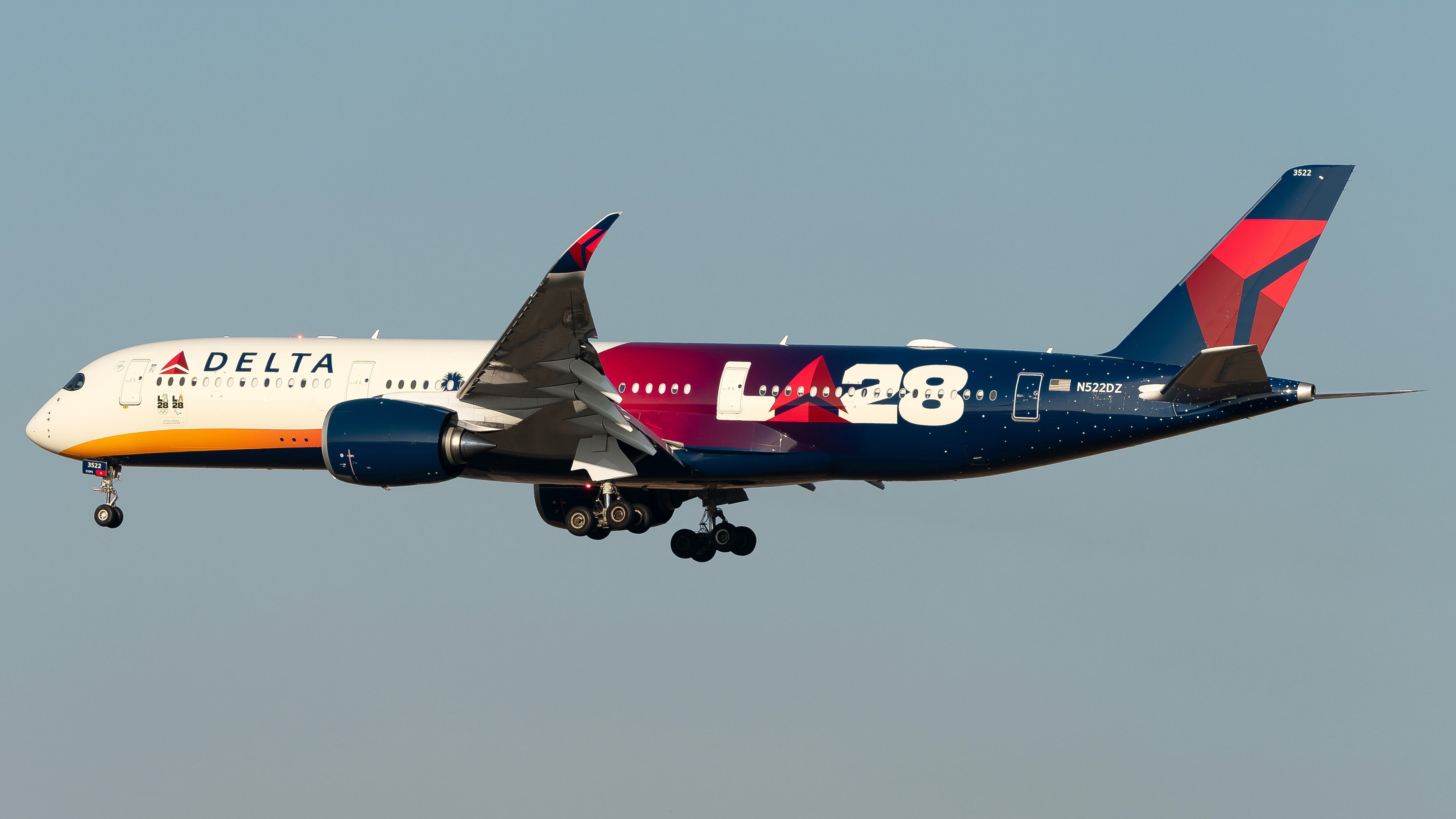
Photo: Parkdolly | Shutterstock
 Delta Air Lines, the face of premium travel in the United States, is also working on an unbundled business class. This stems from comments made by the Atlanta-based carrier’s President, Glen Hauenstein, at an earnings call in July 2024. This would essentially remove many of the perks currently offered with DeltaOne tickets, but would certainly be a beneficial move for the company.
Around the world, several airlines have begun to monetize aspects of their business class experience, and some have introduced unbundled premium fares. Emirates is, of course, the most prominent example. Emirates has one of the strongest reputations of any airline among passengers, yet some business class passengers don’t receive lounge access or seat selection.
Airlines ultimately are businesses that are constantly exploring ways to make more money. When one of the US airlines inevitably pulls the trigger, the other two will certainly follow. These discussions about unbundling business class are with the intent to find more revenue opportunities, and given how widespread basic economy is today, it’s nearly certain that these fare classes will eventually become a reality.