
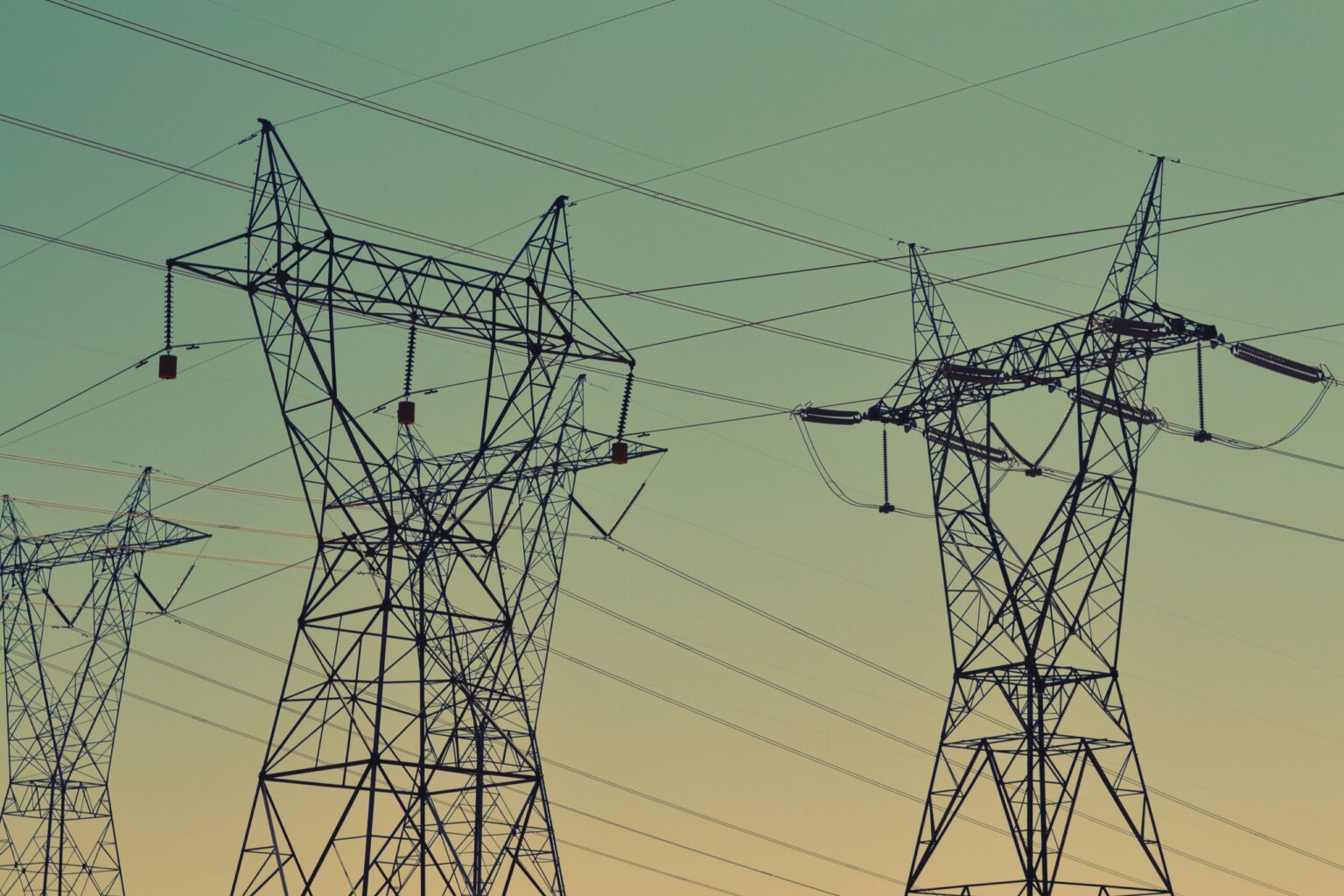
July the 21st, 2025 – Croatia increased its electricity imports by one third in June, in spite of its efforts to become as self-sufficient energetically as possible.
As Sinisa Malus/Poslovni Dnevnik writes, despite commendable efforts, Croatia remains heavily dependent on electricity imports. Heatwaves, drought and the lack of profitability of electricity production from fossil fuels further highlight the limited self-sufficiency of the country’s electricity system. The above was revealed by an analysis by the Renewable Energy Sources Croatia (OIEH) economic interest group.
In support of the aforementioned assessments, the OIEH presented indicators for the second quarter of this year. According to them, this period in Croatia was marked by a continued high level of electricity imports, seeing them account for 17.3 percent of total available energy nationwide.
The OIEH believes that this is a warning regarding insufficient domestic production and the ongoing need for greater reliance on domestic sources. Viewed on a month by month basis, the share of imports stood at 4.9 percent in April, 19.6 percent in May, and a significantly higher 32 percent in June.
unfavourable weather events are fuelling croatia and its ongoing high electricity imports
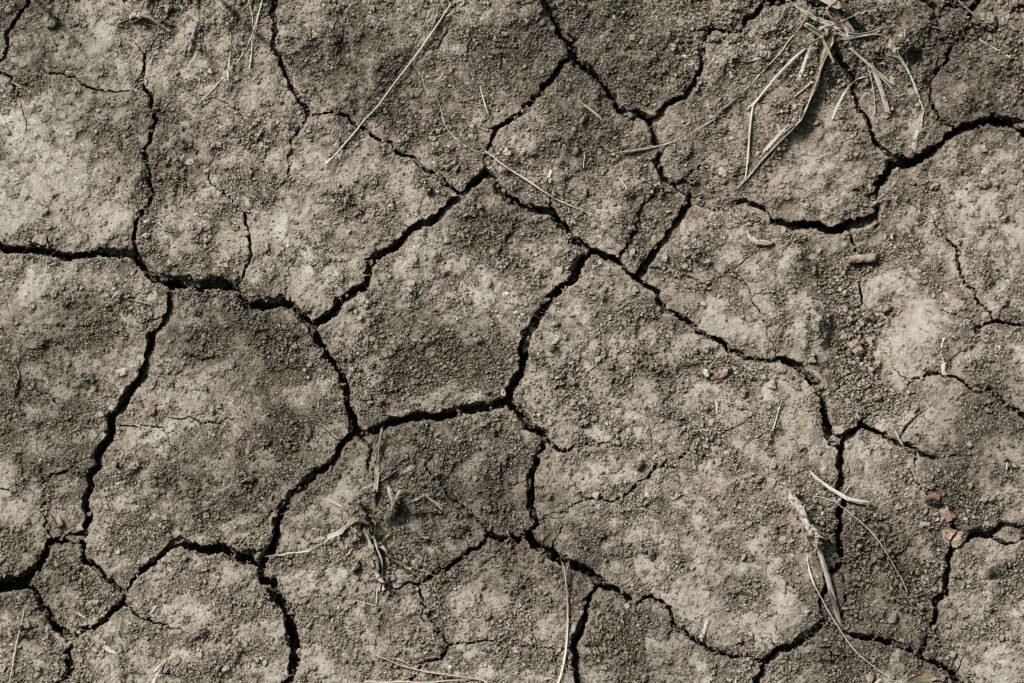
The OIEH claims that the data for the month of June confirms “the worrying trend surrounding Croatia’s energy dependence, especially during the summer months.” The association also states that hydroelectric power generation was 23 percent lower than the multi-year average, primarily owing to the lack of spring rains and weaker snow melt. That meant that the key seasonal contribution of this renewable source was entirely missing.
At the same time, production from fossil fuel power plants was halved (a concerning drop of 51.6 percent), due to the Plomin Thermal Power Plant being out of operation. In addition, as stated, the lack of the economic profitability of gas-fired thermal power plants.
positives for other renewable energy sources
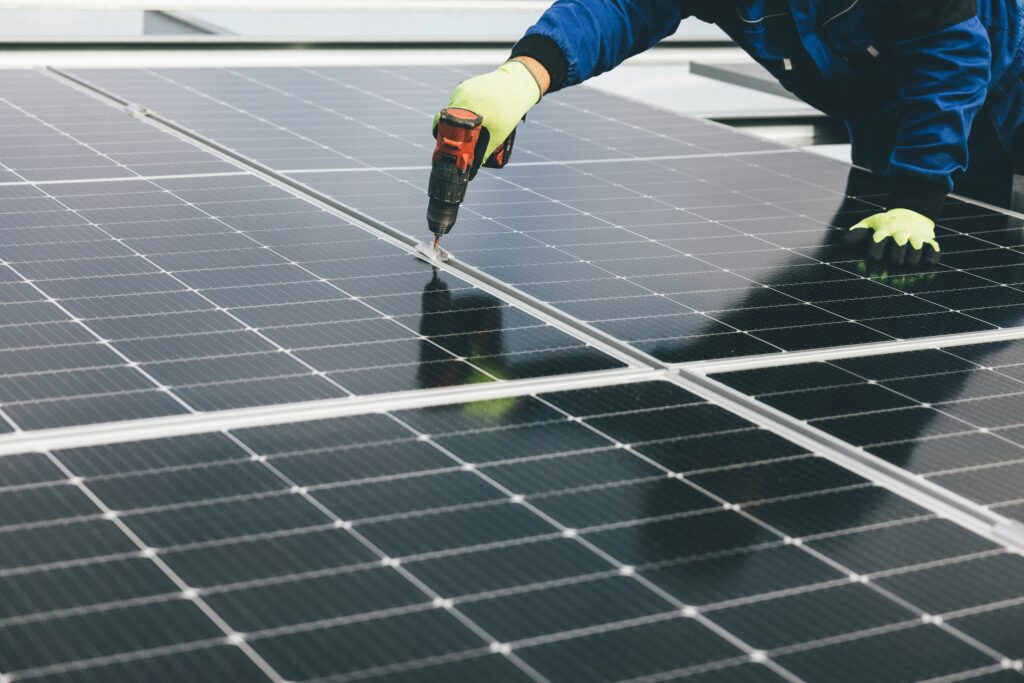
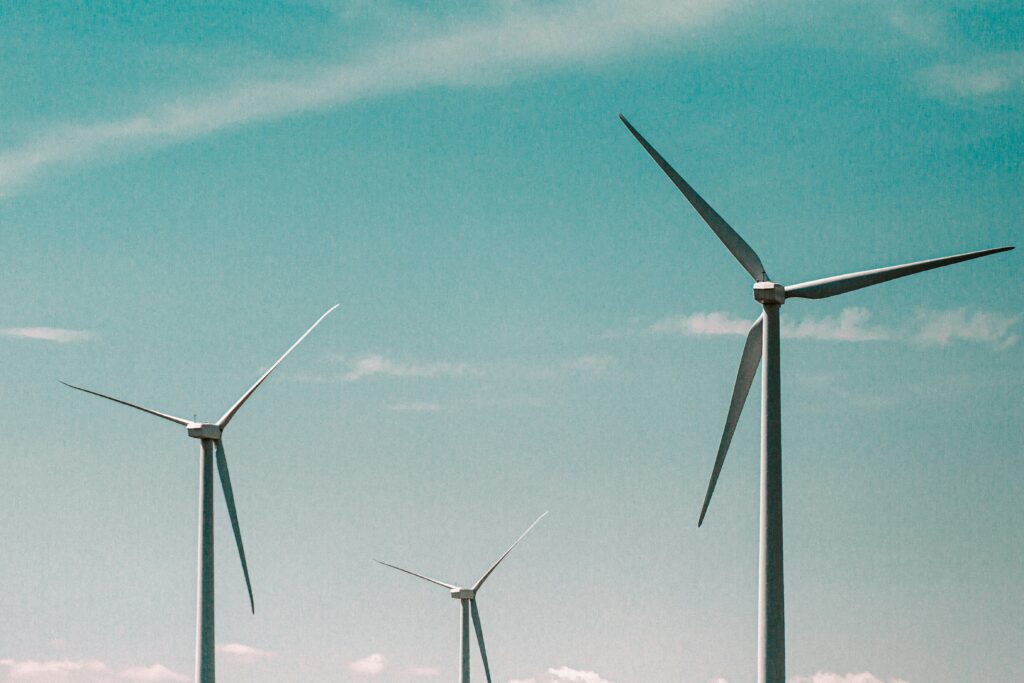
Other renewable energy sources in Croatia thankfully brought about positive developments. These are the solar power plants, wind power plants, as well as biomass and biogas, which, according to data provided in the OIEH analysis, took the leading position in the structure of available energy for the first time with a share of 29.7 percent.
acceleration is needed
“In order to reduce import dependence and ensure stable supply in the face of climate and market changes, it is necessary to accelerate the development of renewable energy projects and invest in parallel in the electricity grid and advanced energy storage systems. Only a flexible and modern grid can enable greater integration of renewable energy sources, system stability and the proper protection of end users from price volatility,” the analysis warns.
It also notes that in cooperation with the European Bank for Reconstruction and Development, the Energy Institute “Hrvoje Požar” and the Faculty of Electrical Engineering and Computing, the OIEH is preparing another study on the locations of grid congestion and the need for battery storage in Croatia.
The results of this study will serve as a basis for strategic planning and directing investments in the future. Naturally, the ultimate goal is to create an energy system that is reliable, self-sufficient and in the service of a green transition, according to OIEH experts.
For Croatia, the other side of the electricity coin is certainly the growth in energy consumption in more recent years. Given the continuation of heat waves and the peak of the summer tourist season, it is expected that by the end of this week, the new summer maximum hourly amount of electricity consumption, which was achieved on July the 10th, 2024 and amounted to 3218 megawatts, will be reached.
Subscribe to our newsletter
the fields marked with * are required