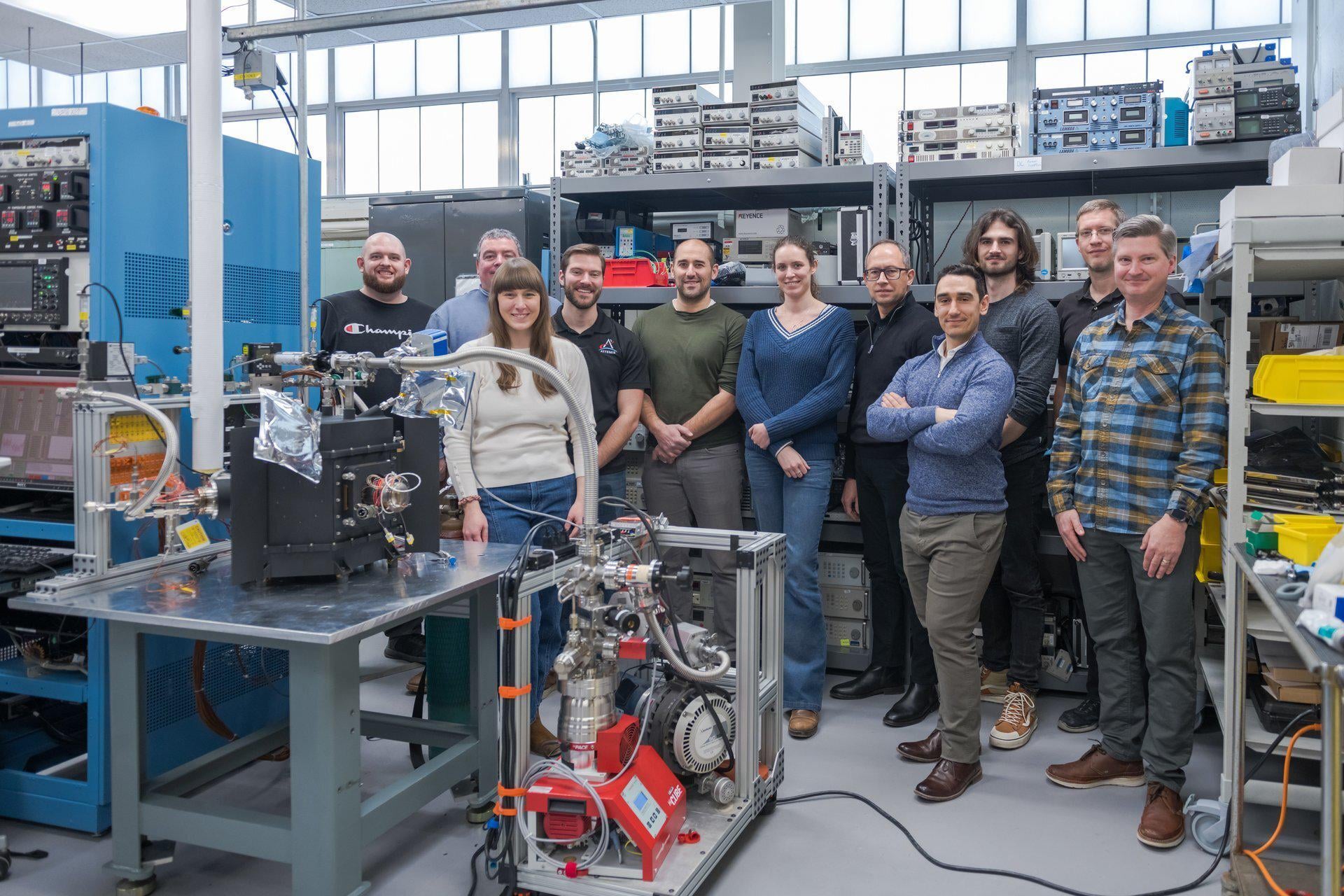
New fuel for nuclear power systems could enable missions to Mars and beyond
https://phys.org/news/2025-07-fuel-nuclear-power-enable-missions.html

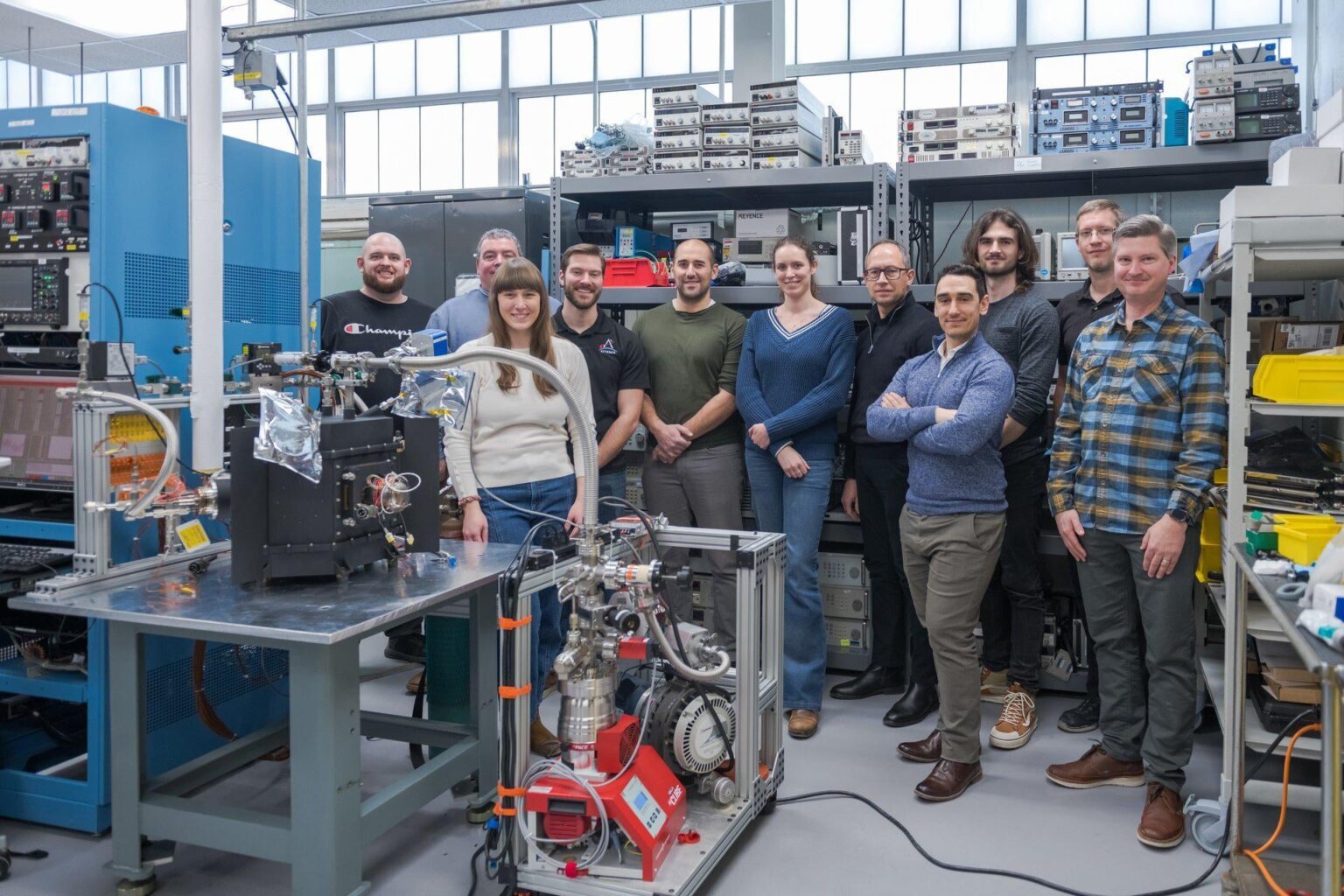
New fuel for nuclear power systems could enable missions to Mars and beyond
https://phys.org/news/2025-07-fuel-nuclear-power-enable-missions.html
3 Comments
Interesting, I wonder how long the lifespan of the bounce-back spring is?
Not really that new:
From the article in this post:
> For more than 15 years, researchers at the University of Leicester have been leaders in the development of Americium-RPS and heater units.
[European Radioisotope Thermoelectric Generators (RTGs) and Radioisotope Heater Units (RHUs) for Space Science and Exploration](https://link.springer.com/article/10.1007/s11214-019-0623-9)
> Radioisotope power systems utilising americium-241 as a source of heat have been under development in Europe as part of a European Space Agency funded programme since 2009.
It’s something that was around even before that, although plutonium has gotten much more study and development over the years.
[Interstellar Explorer](https://web.archive.org/web/20120911225625/http://www.niac.usra.edu/files/library/meetings/misc/trieste_may02_mtg/McNutt_Ralph.pdf) (from 2002):
> RTG based upon multicouples with 4 General Purpose Heat
Sources and direct voltage
> – 1 Pu-238 RTG (at 55W after 9.5 years).
> – 2 Am-241 RTGs (at 7.867W each or 15.733 W total)
I don’t think Am-241 actually counts as “new” in general. From what I understand it’s pretty much just a drop in replacement for Pu-239 with much lower specific power (0.11 W/g vs 0.57 W/g). What seems novel here is the use of a Stirling engine instead of a thermoelectric generator, which could potentially see massive efficiency increases at the expensive of weight and reliability. An Am-241+Stirling design still won’t match a Pu-238+TEG design, but with anxieties of Pu-238 being limited we need to at least try something, and it should be fuel-agnostic either way.