
Friday, July 25, 2025

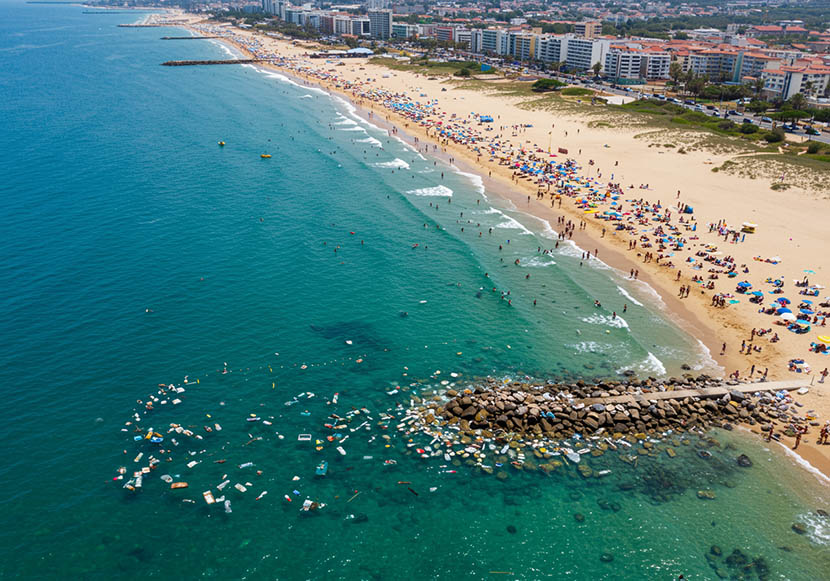
If you’re planning a beach getaway to some of the most iconic coastal destinations in the United States, Australia, Greece, Thailand, Sri Lanka such as Venice Beach, La Jolla Cove, Padre Island National Seashore, and Bahia Honda State Park, you may be disappointed to find these spots suffering from a lack of cleanliness and urban pollution. These once-pristine locations are facing serious challenges, from overflowing trash bins to marine debris washing ashore. Urban pollution, stemming from nearby cities and high tourism traffic, only exacerbates the problem. Beaches like Sombrero Beach and Freedom Beach also bear the brunt of waste accumulation, further tarnishing their natural beauty.
For US and Canadian tourists seeking a peaceful escape, it’s important to be aware of these growing environmental concerns. The increasing popularity of these destinations has led to more litter, and waste management struggles to keep up. While these beaches continue to attract visitors with their stunning vistas, it’s essential for travelers to understand the impact they have on the environment. As the cleanliness of these beaches deteriorates, the long-term sustainability of such popular spots is at risk.
Tourists can help by being more mindful of their waste, reducing their environmental footprint, and supporting local efforts to preserve these beaches. In this article, we’ll delve deeper into what US and Canadian travelers need to know when visiting these beloved yet struggling coastal gems.
Beaches are the epitome of relaxation, offering picturesque views, soft sands, and refreshing waters. They often attract millions of tourists every year, becoming iconic vacation spots. However, not all beaches are as pristine as they appear on travel brochures. Many renowned beach destinations face a significant cleanliness crisis, struggling with pollution, litter, and environmental degradation. Despite their breathtaking beauty, these beaches have earned spots on the list of the dirtiest beaches in the world. In this article, we’ll dive into the reasons behind the dirtiness of some of the most popular beaches globally and analyze how tourism, waste management issues, and environmental pollution contribute to their decline.
1. Venice Beach, United States: A Popular Tourist Spot Struggling with Pollution
Venice Beach, located in Los Angeles, California, is one of the most popular beach destinations in the United States. Known for its vibrant boardwalk, skate parks, and stunning sunset views, Venice Beach attracts tourists from around the world. However, its popularity comes at a significant cost. With heavy foot traffic and the sheer volume of visitors, this beach experiences considerable pollution, especially during peak seasons. Despite efforts to maintain the beach’s cleanliness, high levels of waste, including plastic bottles, food wrappers, and other litter, frequently appear along the shoreline. Local authorities have been working to address the issue, but the vast amount of trash brought by visitors remains a persistent challenge, giving the beach a dirtiness score of 60.6%.
2. La Jolla Cove, United States: Marine Pollution Meets Tourism
La Jolla Cove, located in San Diego, California, is another popular beach that faces significant cleanliness problems. The cove is known for its clear waters and marine life, attracting visitors who come to snorkel, dive, and relax by the shore. Unfortunately, the growing number of visitors combined with water pollution, especially from nearby urban areas, has contributed to the beach’s declining cleanliness. Trash, both from tourists and local sources, often clutters the cove’s pristine environment. Despite the beach’s natural beauty, the lack of adequate infrastructure for waste disposal and the influx of tourists results in a cleanliness score of 57.9%.
3. Padre Island National Seashore, United States: A Victim of Urban Pollution
Padre Island National Seashore in Texas, while a protected national park, struggles with pollution from both tourism and nearby urban centers. Known for its wide, untouched beaches and diverse wildlife, Padre Island attracts nature lovers and wildlife enthusiasts. However, the park’s size and isolation make it difficult to clean effectively, and the nearby Gulf of Mexico has been affected by oil spills and waste from passing ships. Marine debris, including plastics and oil residue, often wash ashore, affecting the beach’s beauty and cleanliness. Furthermore, the heavy human traffic, especially during holidays and spring break, exacerbates the littering problem, leaving the beach with a dirtiness score of 55.7%.
4. Freedom Beach, Thailand: A Remote Gem Overwhelmed by Visitors
Freedom Beach, located near the bustling Patong area on the island of Phuket, offers a serene escape from the crowded beaches of Thailand. However, its remote location has proven to be a double-edged sword. While it provides a quieter, more tranquil environment, it lacks the infrastructure needed to handle the increasing number of tourists that visit every year. The beach suffers from inadequate waste management systems, which means trash often accumulates in the sand. Combined with occasional storms that bring in debris from the ocean, Freedom Beach has earned a dirtiness score of 52.1%, making it one of Thailand’s most polluted beaches despite its natural charm.
5. Bahia Honda State Park, United States: Struggling with Remote Cleanliness
Bahia Honda State Park in Florida is renowned for its scenic beauty and wildlife. A popular destination for beachgoers, campers, and nature lovers, the park is a haven for outdoor enthusiasts. However, Bahia Honda suffers from a lack of regular maintenance due to its remote location. Waste management systems in the park often fail to keep up with the large number of visitors, resulting in litter accumulation. Additionally, marine pollution from the surrounding waters, such as plastic waste and oil spills, frequently pollutes the beach. As a result, Bahia Honda State Park has a dirtiness score of 51.8%.
6. Sombrero Beach, United States: Tourism Without Infrastructure
Sombrero Beach, located in the Florida Keys, is one of the more remote beaches in the United States. Its beauty, with clear waters and coral reefs, attracts both tourists and locals. However, the beach suffers from inadequate waste management facilities and inconsistent cleaning schedules. The high number of visitors, combined with marine debris, such as plastic and fishing waste, significantly affects the cleanliness of the beach. The environmental toll of these pollutants is compounded by the beach’s remote location, where it’s difficult to maintain cleanliness throughout the year. Sombrero Beach receives a dirtiness score of 49.3%.
7. Bentota Beach, Sri Lanka: Plastic Pollution and Overcrowding
Bentota Beach, on the southwestern coast of Sri Lanka, is famous for its golden sands and calm waters. While it has become a go-to destination for both local and international tourists, Bentota Beach faces serious cleanliness challenges. The combination of plastic waste from nearby communities and the tourism sector has created significant pollution problems. Bentota Beach’s popularity during peak seasons also means overcrowding, leading to an increase in littering. Local authorities are struggling to keep the beach clean amid these pressures, resulting in a dirtiness score of 48.2%.
8. Balos Lagoon, Greece: Overcrowding Takes a Toll
Balos Lagoon, located on the Greek island of Crete, is known for its stunning beauty, featuring white sands and turquoise waters. Unfortunately, the lagoon has become a victim of its own popularity. During peak tourist seasons, the number of visitors skyrockets, resulting in increased litter and waste accumulation. Overcrowding, combined with inadequate waste disposal systems, has turned the pristine lagoon into a polluted beach, with plastic waste and other debris frequently found in the sand and water. As a result, Balos Lagoon has a dirtiness score of 47.3%.
9. Four Mile Beach, South Pacific: Remote but Polluted
Four Mile Beach, located in Port Douglas, Australia, offers a serene escape from the busier tourist destinations in Australia. However, the beach faces significant cleanliness challenges due to its remote location. The combination of marine debris, plastic waste from both local sources and tourists, and the impact of storms has left the beach with a dirtiness score of 45.9%. The limited resources for cleaning and waste management in the area further contribute to the beach’s pollution issues, making it one of the dirtiest beaches in the South Pacific.
10. Playa Varadero, Cuba: A Major Tourist Destination Struggling with Pollution
Playa Varadero is one of Cuba’s most famous beaches, attracting thousands of tourists every year. However, despite its popularity, the beach suffers from significant cleanliness issues. Marine litter, plastic waste, and trash from nearby hotels and tourist activities accumulate along the shoreline. Additionally, the lack of proper waste disposal infrastructure in the area exacerbates the situation, with many visitors leaving behind trash. Playa Varadero has a dirtiness score of 45.1%, reflecting the challenges of maintaining cleanliness in a heavily visited tourist spot.
Conclusion: The Cleanliness Crisis
Beaches are vital to the global tourism industry, contributing to local economies and providing natural beauty for all to enjoy. However, as these examples show, the increasing pressure from tourism, coupled with inadequate waste management, poses a significant threat to their cleanliness. From the crowded shores of Venice Beach to the secluded corners of Bentota Beach, each of these destinations faces a unique set of challenges, but they all share one common issue: the struggle to maintain a pristine environment in the face of overwhelming human activity. Cloudwards CEO Mauricio Preuss noted: “For travelers, this research underscores the importance of looking beyond the highlight reel. The most rewarding beach experiences might be found at lesser-known destinations that haven’t yet been overwhelmed by mass tourism. Sometimes the best paradise is the one that isn’t trending on TikTok.”
Addressing this issue requires a combination of increased tourism education, better waste management infrastructure, and stricter regulations to limit pollution. Only through a concerted effort by local governments, businesses, and travelers can these beaches regain their beauty and continue to attract visitors in a sustainable manner.
Source Cloudwards
Tags: Australia, Bahia Honda, beach pollution, environmental impact, Freedom Beach, greece, La Jolla Cove, Padre Island, Sombrero Beach, Sri Lanka, sustainable tourism, Thailand, urban pollution, US, Venice Beach
