
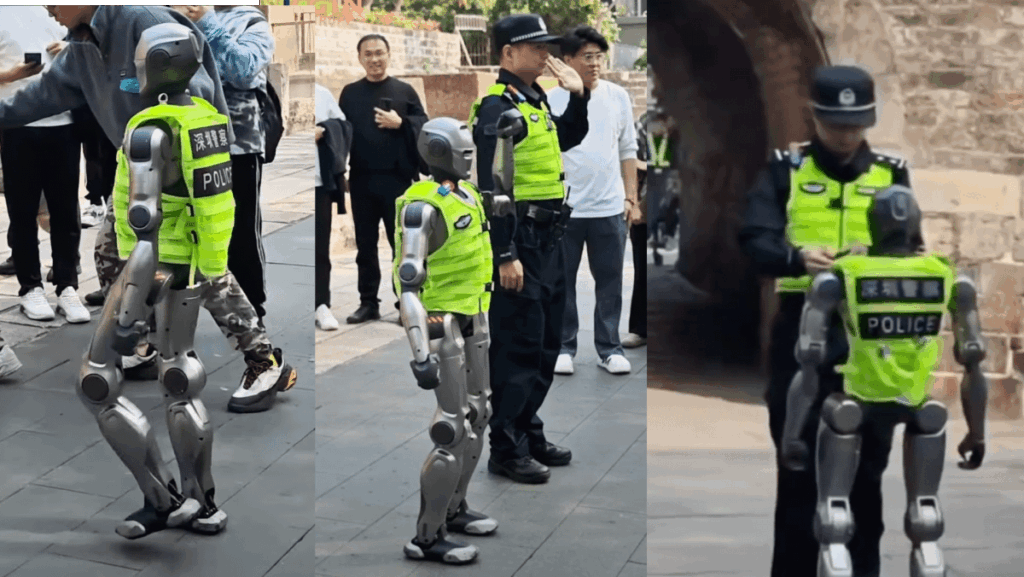
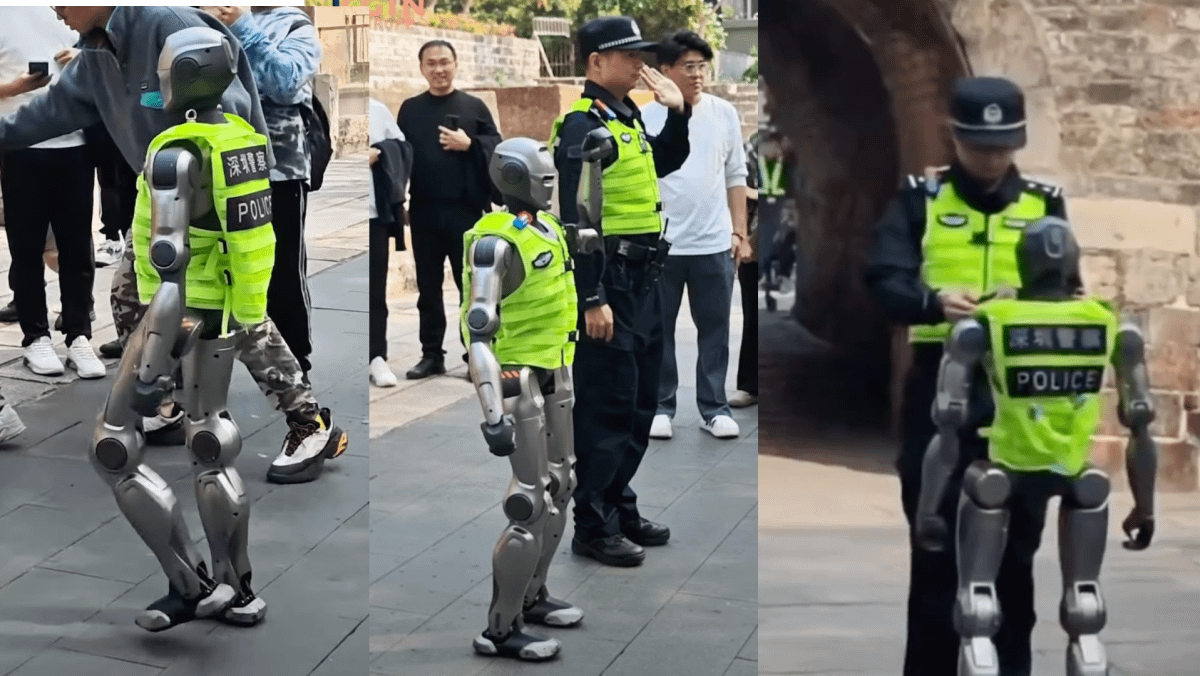
The deployment of Xiao Hu, a humanoid robot designed to direct traffic in Shanghai, highlights how robotics and AI are moving from factories into public infrastructure. If humanoid robots can safely manage traffic at busy intersections, what does this mean for the future of smart cities, public safety, and urban planning? Could robots one day replace certain civic roles, or will they simply assist human workers? Let's discuss how this might change cities in the next 10 to 20 years.
Future focused Discussion
How can humanoid robots integrate with smart city systems to improve traffic flow and pedestrian safety?
What advancements in AI, sensors, and real time decision making are required to make such robots reliable?
What ethical or public trust issues might arise if robots take over roles like traffic control?
Could such systems reduce traffic accidents, or would human oversight still be critical?
RoboCop Robot Shanghai Takes Over Traffic Duties: China’s AI Police Begins Real World Patrols
2 Comments
The deployment of Xiao Hu, a humanoid robot directing traffic in Shanghai, shows how AI and robotics are beginning to enter civic life not just industry. If robots can perform real time traffic control, what are the implications for the future of smart cities, human labor, and public trust in autonomous systems?
If robots can direct traffic today, could they be managing hospitals or courtrooms tomorrow? Big question for the future of human jobs