
2025-07-26T08:19:23+00:00
font
Enable Reading Mode
A-
A
A+
Shafaq News
Iraq is sinking into a worsening plastic crisis with no clear solution on the horizon, as daily waste surges and collection systems collapse.
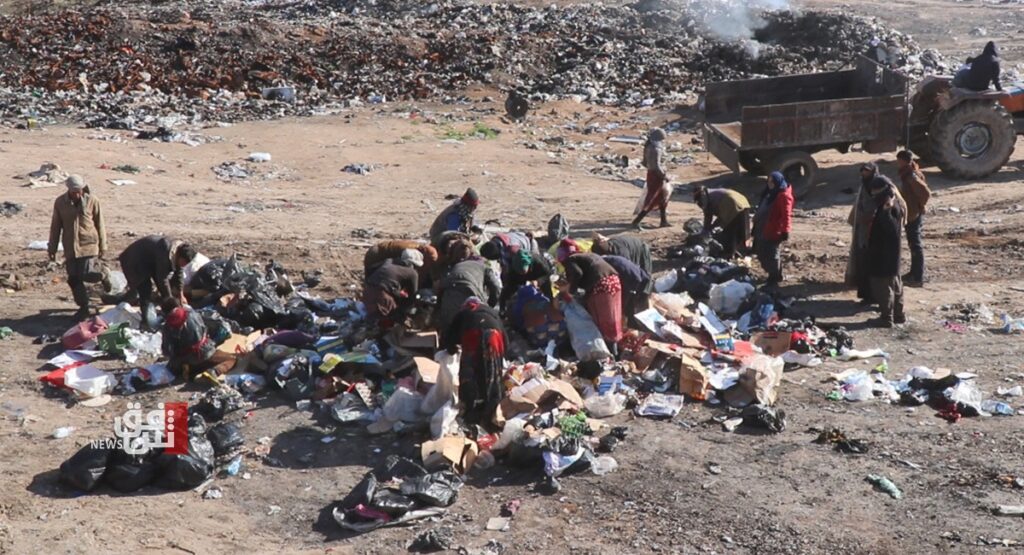
Mountains of discarded plastic, from nylon bags and water bottles to food wrappers, are swallowing Iraq’s streets, riverbanks, and farmland, contaminating the environment and endangering public health. Experts estimate the country generates around 32,000 tons of waste every day, including approximately 600 tons of plastic.
Haider Raed Al-Rashad Al-Rubaie, director of the Haqb Foundation for Relief and Labor, calculates that plastic accounts for nearly 17% of Iraq’s daily refuse. “Most of it comes from household items, industrial packaging, and single-use shopping bags,” Al-Rubaie told Shafaq News, highlighting that Baghdad alone produces 12,000 tons of trash daily, with most of it neither recycled nor converted into energy.
He warned of plastic’s staggering durability, explaining it can linger for 200 years in nature and up to 500 years if buried. “Burning plastics unleashes toxic gases, including dioxins and furans, that poison the air and soil,” Al-Rubaie cautioned, criticizing municipal authorities for failing to sort waste properly and relying on outdated recycling practices.
Beyond the visible blight, plastic waste carries hidden dangers. Many plastics release chemicals that seep into food and water supplies. Discarded bottles left under the sun, for instance, can leach harmful compounds into drinking water. Research has also linked plastic exposure to cancer, hormone disruption, and respiratory disease.
Environmental specialist Salahuddin Al-Zaidi underscored that overheated plastics cannot be safely remelted, adding that Iraq recycles barely 20% of its plastic waste while the rest festers in landfills or washes into rivers. “The best solution is to shred and reuse certain plastics,” he said, urging authorities to adopt a nationwide recycling strategy, phase out single-use plastics, and promote safer alternatives.
Health and environmental groups echoed those calls, pressing the government to provide incentives for sustainable consumption and encourage shoppers to switch to reusable cloth or paper bags.
On the ground, volunteers and community groups trying to fill the gaps face serious challenges. In Mahmudiya, south of Baghdad, activist Ahmed Al-Khalidi and his friends spent 2022 collecting bottles for a local recycling center but were ridiculed rather than praised. “They called us ‘the trash people,’” he recounted to our agency, frustrated by the lack of official support and poor public awareness.
In February 2024, the Female Journalists for Climate organization launched a campaign to collect one million empty bottles. Branded “Recycling Creates Change,” the initiative aimed to raise public consciousness and push authorities to invest in greener waste systems.