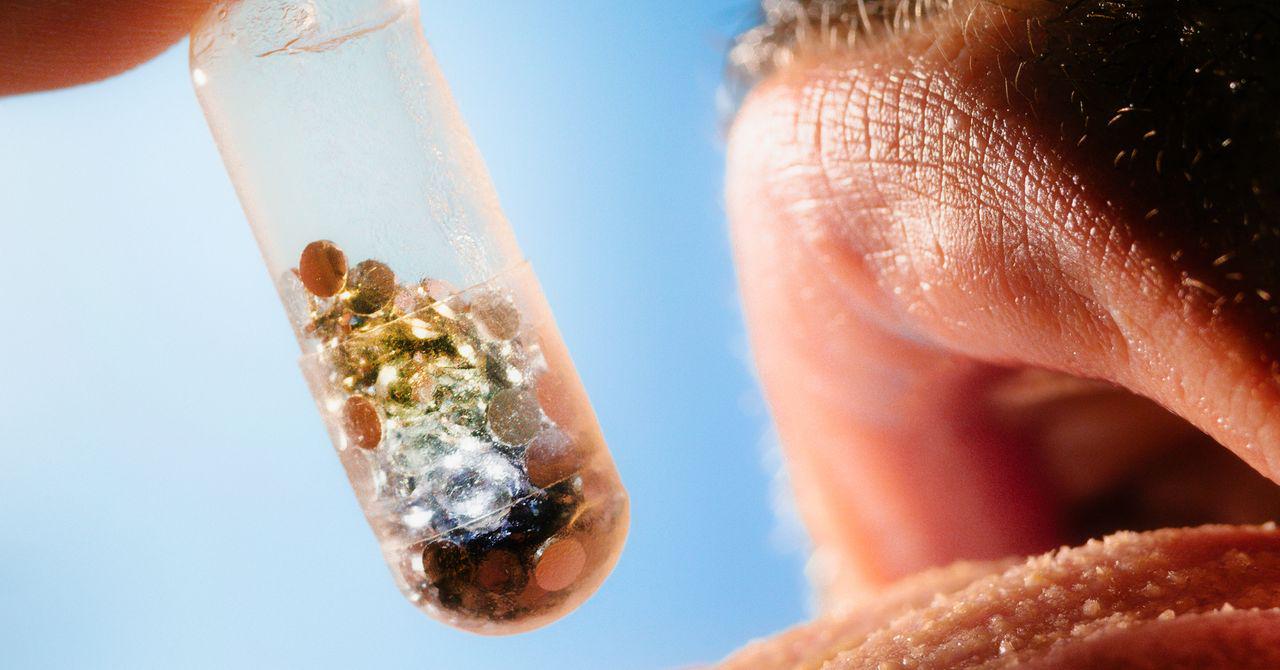
Psychedelic Therapy Crashed and Burned. MAHA Might Bring It Back
https://www.wired.com/story/psychedelic-therapy-mdma-maha/

Psychedelic Therapy Crashed and Burned. MAHA Might Bring It Back
https://www.wired.com/story/psychedelic-therapy-mdma-maha/
15 Comments
Maybe RFK can start touting the benefits of bloodletting and leeches.
Psychedelic therapy stands at the intersection of neuroscience, mental health, and cultural transformation, making it one of the most compelling frontiers in modern futurism. For decades, substances like psilocybin, MDMA, and LSD were relegated to the fringes of scientific inquiry due to regulatory restrictions and social stigma. Yet in recent years, rigorous clinical studies have reignited interest by demonstrating profound therapeutic potential for conditions long resistant to conventional treatment, including depression, PTSD, addiction, and end‑of‑life anxiety.
From a futurist perspective, the exploration of psychedelics therapy signals a paradigm shift in how we conceptualize healing and human consciousness. Rather than simply masking symptoms, psychedelic‑assisted treatments appear to catalyze lasting changes in neural pathways, fostering emotional breakthroughs and sustained mental health improvements after only one or two sessions. This challenges the prevailing pharmaceutical model of daily medication and opens the door to radically more efficient and human‑centered care.
Technological and societal trends amplify this significance. Advances in neuroimaging and AI‑driven biomarker analysis are allowing scientists to map the brain’s response to psychedelics in unprecedented detail, potentially enabling precision‑guided therapies tailored to individual neurobiology. At the same time, shifting public attitudes and evolving legal frameworks—such as decriminalization measures in parts of the United States and Health Canada’s expanded access programs—are accelerating the pathway from research to mainstream medicine. These developments hint at a future where psychedelic therapies may not only treat mental illness but also enhance well‑being, creativity, and resilience in healthy populations.
Critically, the implications extend beyond medicine. If psychedelics reshape fundamental aspects of cognition and perspective, they could influence fields as diverse as education, conflict resolution, and even environmental stewardship by fostering empathy and interconnected thinking. Ethical questions about accessibility, equity, and responsible use will be central to ensuring these benefits are realized without repeating past missteps.
Psychedelics will revolutionise therapy if it becomes approved. People who have never done them would never understand what a tool these molecules can be
Even with some positive testimonials, it’s going to take a LOT for the FDA to ever seriously consider legalizing a drug like MDMA. If you go ask the average person in the street, chances are they have never tried any drug stronger than weed, alcohol and nicotine. Maybe painkillers after surgery, or shrooms one time when they were in college. Now imagine the kind of person who works for the FDA, and has earned voting privileges on these matters. That person sees MDMA as a “hard drug.” It’d be the same as telling them that a few people felt less depressed after microdosing meth or bath salts, and asking them to legalize those. While I support psychedelic research as much as anyone, it’s important to not get caught in your own bubble of what *you* think is an acceptable drug.
Lastly, the research surrounding the safety and efficacy of psilocybin is way ahead of where MDMA is right now. If you do want to cross your heels and wait for one to get legalized, that’s probably your best bet.
too bad we will not be able to pay for the insurance needed to cover it 😭
The only thing MAHA will bring back are iron lungs.
It crashed and burned before in part because people were trying to make psychedelics fit into their boxes, instead of taking their needs seriously.
A lot more people seem willing to do so these days.
Yeah no thanks. Some people might like that but not me.
With right therapist and medical professional on hand I think so many insights will be had. I don’t think it’ll replace pattern/life style changes but it’s a great tool to help ppl face problems and make meaning of the mess. If anything, simply acknowledging hard emotions
I can’t possibly describe the breakthrough in my mental health doing mushrooms has given me. Now, when I have deep issues I want to reflect on, I’ll take a day off work, curate a good playlist, or put on a movie and just reflect. It could really be the future of mental health if implemented properly.
MAHA is going to destroy countless lives. Do not give it positive press.
Anyone else think about Crazy Courtney every time you see MAHA in the news?
https://i.redd.it/isjn15xwqdc31.jpg
The main issue with psychedelic therapy is, whenever it is researched to the same standards we expect any other compound to meet, the results are just meh. It helps some people, somewhat, some of the time. Lots of sizzle. No steak.
crashed and burned as a viable avenue of massive wealth extraction, therefore a disappointment everyone should forget about
There was a report a month ago or so about a novel molecule derived from LSD that had the benefits of neuroplasticity but wasn’t psychoactive and didn’t activate the pathways associated with schizophrenia. Very interesting stuff.