EU-China Joint Climate Deal Focuses on Clean Tech, Skips Coal Commitments
https://carboncredits.com/eu-china-joint-climate-deal-focuses-on-clean-tech-skips-coal-commitments/

EU-China Joint Climate Deal Focuses on Clean Tech, Skips Coal Commitments
https://carboncredits.com/eu-china-joint-climate-deal-focuses-on-clean-tech-skips-coal-commitments/
1 Comment
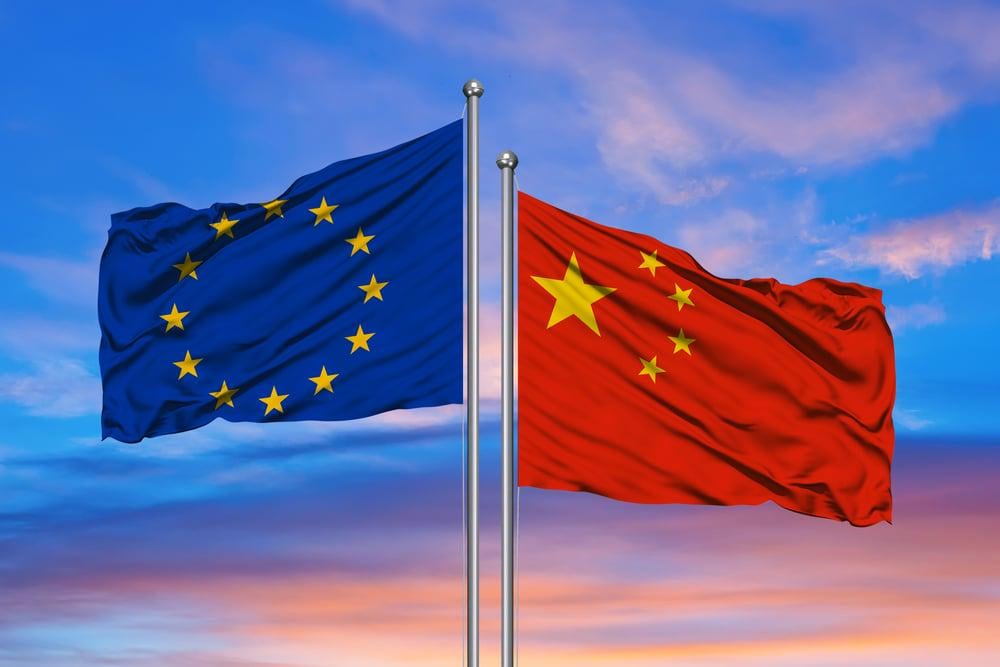
> At the EU-China Summit in Beijing on July 24, 2025, leaders from both sides released a joint press statement. The focus was on reinforcing their partnership in addressing climate change while promoting clean technologies like **solar, hydropower, electric vehicles (EVs), and battery storage.** The statement marked the 10th anniversary of the Paris Agreement and the 50th year of diplomatic relations between the two powers.
> The EU and China’s climate focus now leans heavily toward clean technology development and cooperation. Yet, coal was left unaddressed. Despite growing pressure from environmental advocates, the statement made no mention of cutting coal use, a major source of global emissions.
> One of the most ambitious pieces in China’s green energy puzzle is the Medog Dam project in Tibet. **With an estimated cost of $137 billion, the dam will become the largest hydropower station in the world.** Once completed, it will generate around 300 billion kilowatt-hours (kWh) of electricity annually, **which could replace energy from hundreds of coal plants.**
> However, the project has drawn criticism for its environmental and geopolitical risks: Built in a fragile ecosystem, near the Yarlung Tsangpo Grand Canyon, the dam could harm biodiversity, impact river flows, and disrupt agriculture downstream. Local communities face displacement, raising humanitarian concerns.
> While the project promises millions of tons of emissions savings, its ecological footprint could offset the climate gains if not managed responsibly.
> One of the most promising outcomes of the EU-China climate statement is the potential impact on international carbon markets. However, carbon markets are only effective if they are transparent and based on actual, verified reductions in emissions. Both the EU and China must ensure that any expansion of the carbon credit system is built on strong governance and integrity.