
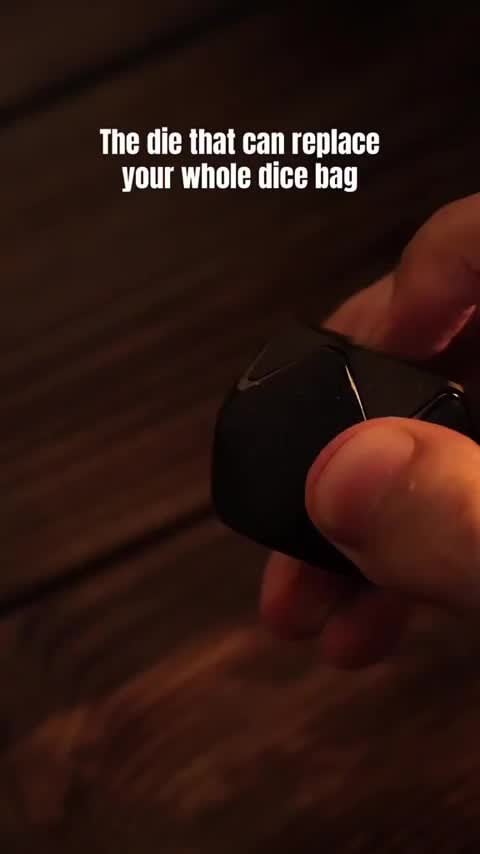
I've been working on a side project for a couple of years now: a physical die that glows and animates based on who you are—your class, your role in a story.It’s not touchscreen-based or fully digital. It still rolls like a die. But it reacts. And that got me thinking.
What happens when the things we use to tell stories—dice, miniatures, tokens—begin to respond to us?
When they remember, when they change depending on who’s using them, when they glow differently for a Druid or a Barbarian…
These are objects we’ve always used for shared imagination. But what if they start becoming interfaces?
Here’s a short demo if curious:
👉 https://imgur.com/a/o5qRr71
Curious what people here think:
- Is there a future where physical-digital hybrids make games more immersive?
- Or does adding tech break the magic of analog play?
What happens when the tools we use in storytelling become personalized, reactive, and ritualistic?
byu/fortnitekingerz inFuturology
1 Comment
As technology becomes more integrated into creative spaces like TTRPGs, we must be cautious of the technology limiting our creativity. If we want to play our homebrew class or unique setting that isn’t sanctioned by the vendors of technology, will the technology form a barrier? Will the dice flashing Barbarian symbols actually pull us *out* of our immersive storytelling?
And will the companies that make these products make them deliberately intrusive to lock us in? Will we be as attached to D&D classes as we are to our gMail accounts, because the cost of migrating out or building tools that integrate into the system are out of reach?
I feel that you should never not build a dungeon a certain way just because you don’t have the right piece of terrain or model to 3d print. You should never not make a character because you can’t find a picture or miniature. And more importantly, in a ttrpg, you should never have to *change* what you’re doing because of the props that are made available to you. The ability to craft them to your liking is what makes them unique.