
Form Energy in the US is also developing this technology, though they haven't deployed to the grid yet.
As electricity grids get nearer to being 100% renewables, they need to account for <5% of times both solar & wind don't meet peak electricity demand. Lithium-Ion batteries, which only store electricity for a few hours, aren't much use here, but Iron-Air batteries will be.
They can store days worth of electricity, and not only that, they are stable and non-flammable. The only chemical reaction taking place is iron oxidizing (rusting).
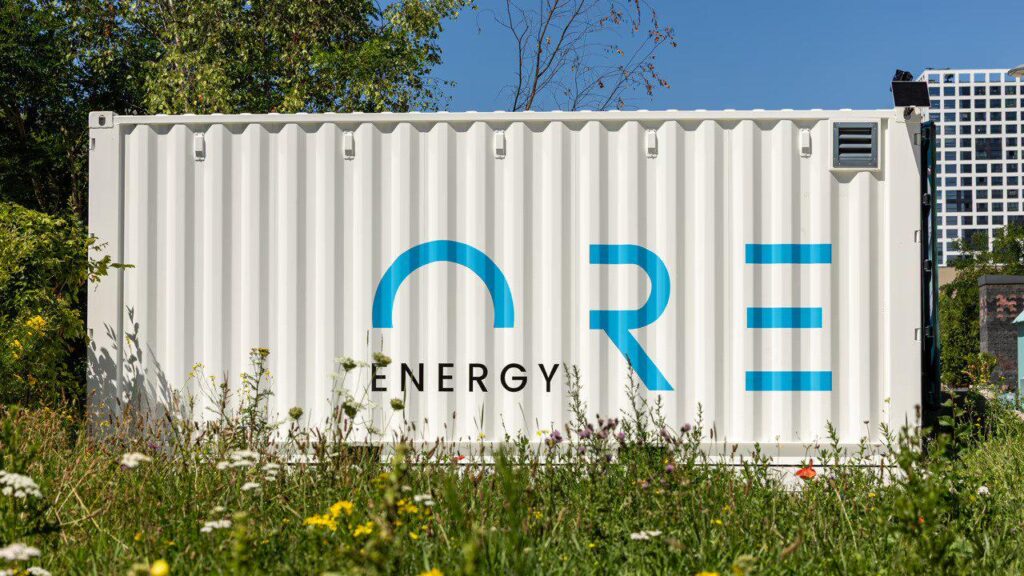
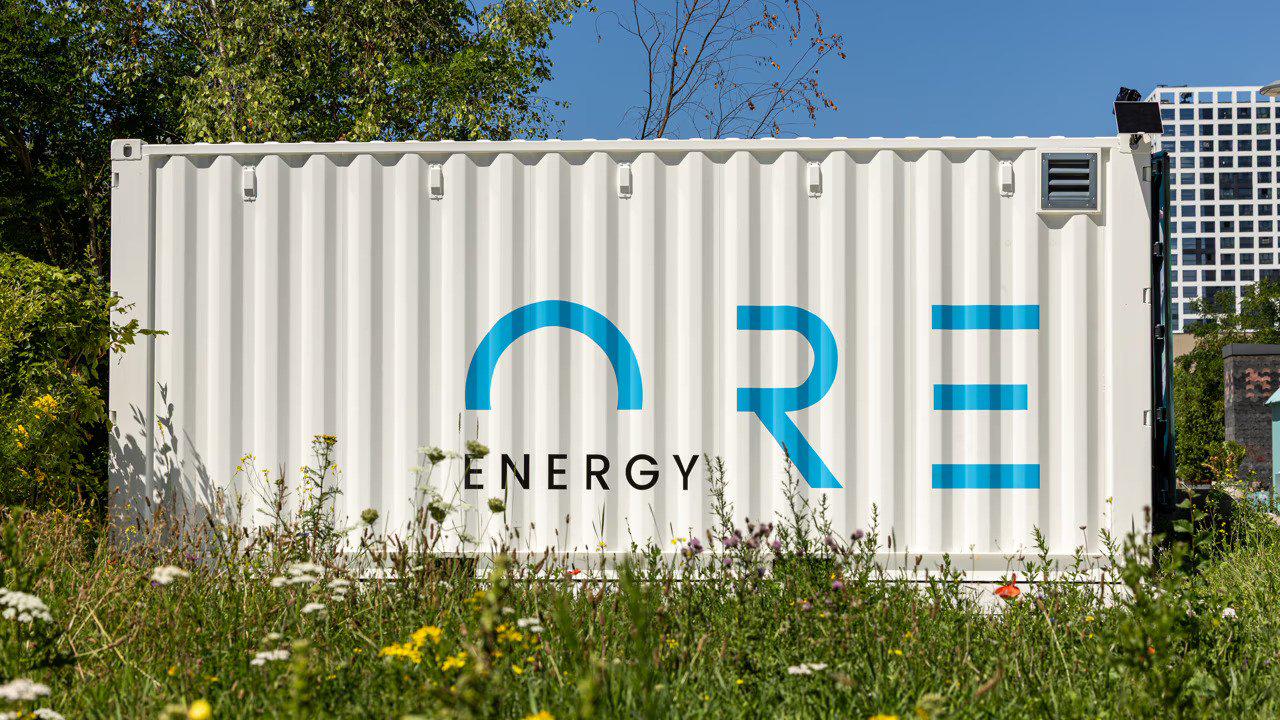
Ore Energy connects world’s first grid-connected iron-air battery in Delft
In a world first, in the Netherlands an Iron-Air battery has been connected to the grid for the first time. It stores 100 hours of electricity by rusting & de-rusting.
byu/lughnasadh inFuturology
2 Comments
One time where the term gamechanger might be warranted. We read it too often these days, but grid connection for this new battery is exactly what renewables need to get to 100%.
The article highlights data center applications, but I could see these displacing diesel backup generators for critical facilities like hospitals as well, where a battery that can store a few days of demand is exactly what you want. Of course, batteries deployed in that role won’t be able to contribute to grid stabilisation, or at least only in a much reduced capacity (since they would be required to keep a minimum level of charge at all time), but that’d still be a contribution to moving away from fossil fuels entirely.