
 Photo: Albert G Storace
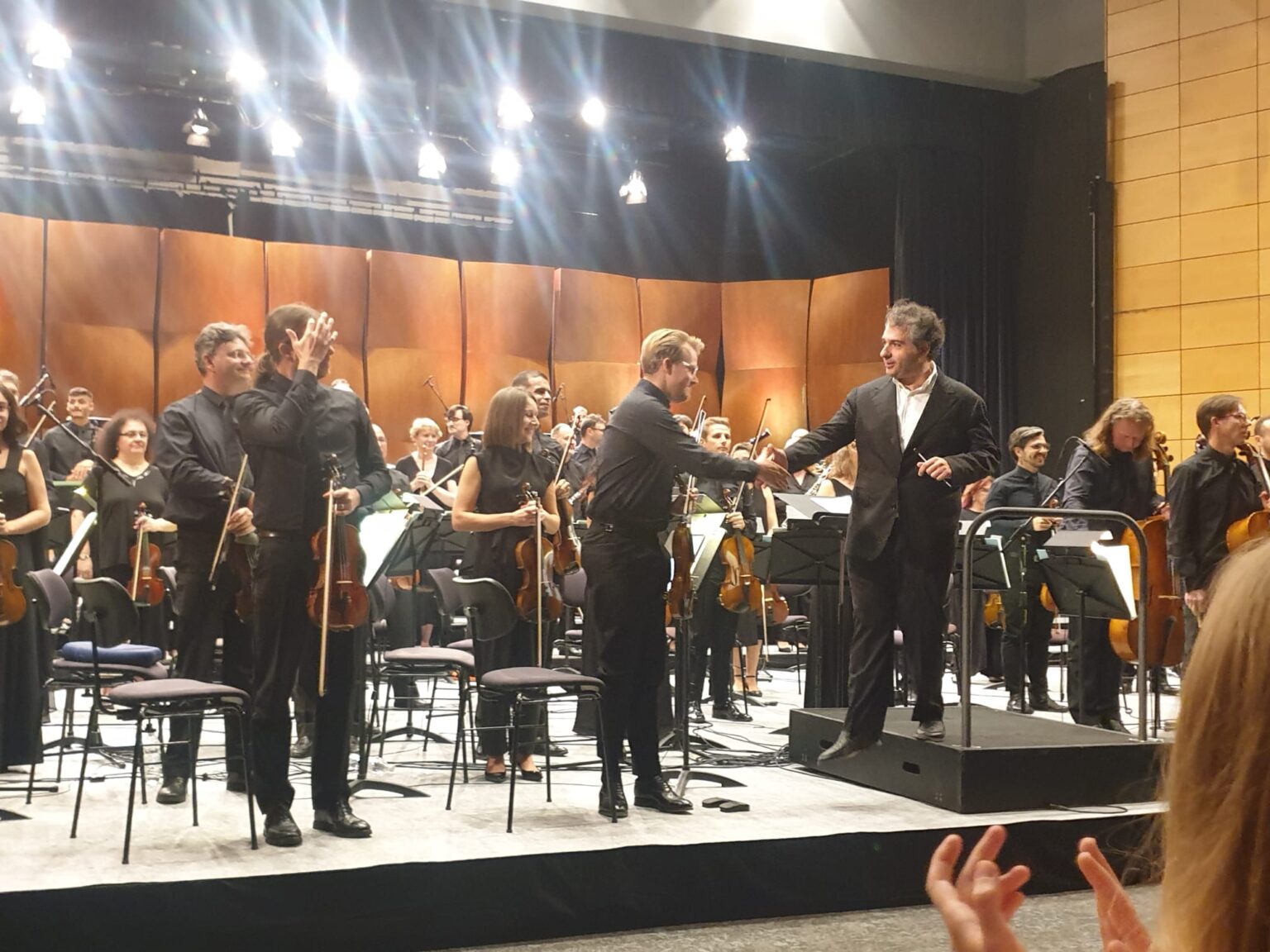
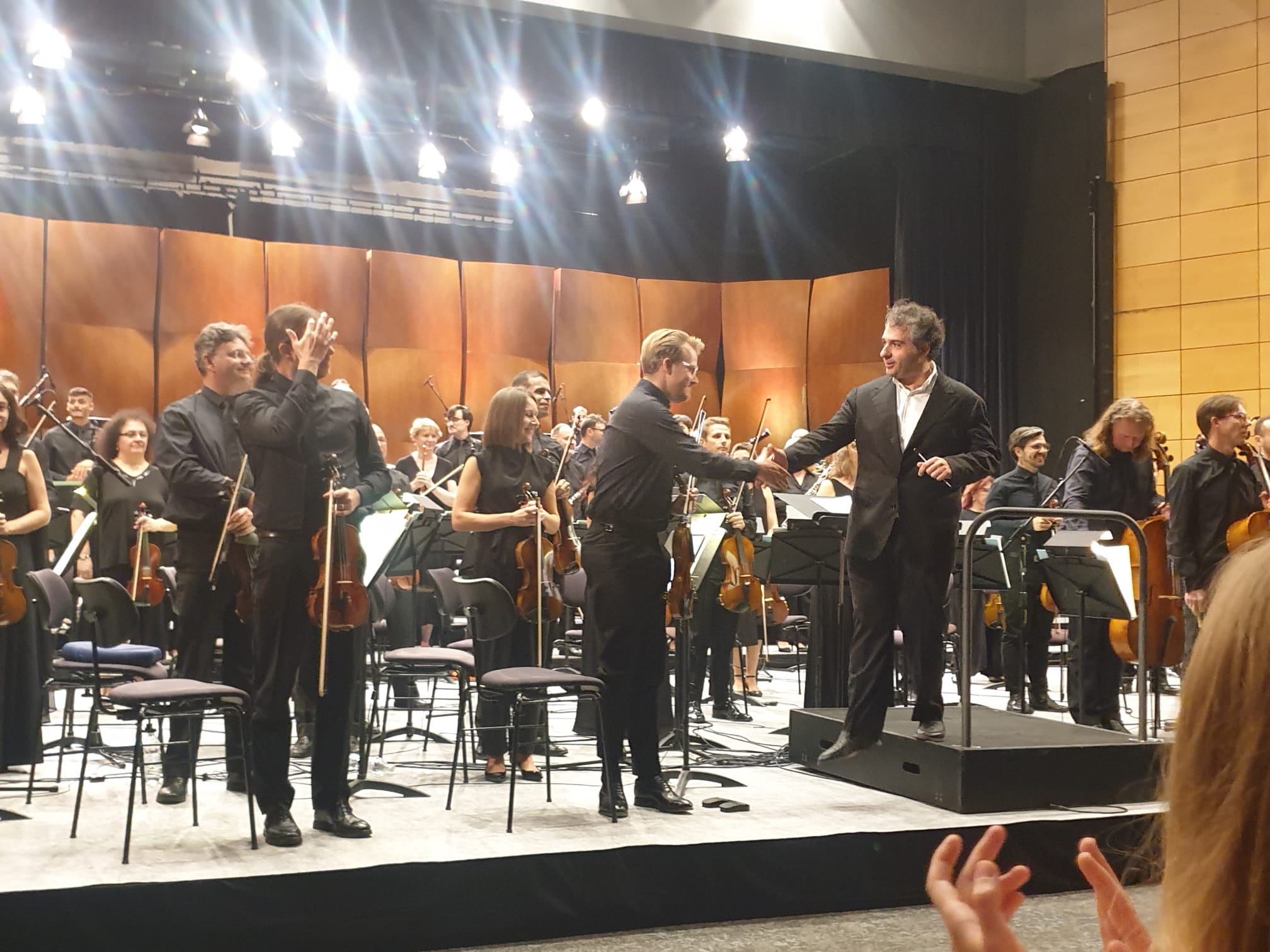
The Malta Philharmonic Orchestra recently ended its 2024-25 concert season with a grand concert at the Grandmaster Suite at Hilton Malta, St. Julian’s. The Orchestra was conducted by Sergey Smbatyan and leader was Oleh Kurochkin.
The concert opened with the (only) Concerto for Violin and Orchestra in D Major, Op. 61, by Beethoven (1770-1827). Unique in scale for the time (1806), and it is noteworthy for its blending of Classical and Romantic elements. It is an Oh-how-wonderful-work.
It is a magnificent and exquisite experience to listen spellbound to the heady combination of the supreme musicianship of the wispy, youthful, South Korean soloist Li Young Lim. She performed on the 1710 Pietro Guarneri violin on loan to her from the Bucksyan Foundation.
Add to that, an eagerly supportive MPO on top form under the excellent direction of Sergey Smbatyan. It is the kind of work one wishes could never come to an end.
When that came about, the applause was one of the longest and intense I had ever heard. The whole orchestra also rooted for the violinist, noisily tapping their feet. We all hoped for a little encore, but this never materialised.
 Photo: Albert G Storace
The second work on the programme was a Suite from a ballet by Stravinsky (1882-1971). He composed it in 1928 and arranged the Suite in 1934, revising it in 1948. The ballet, Le Baiser de la Fée, may not be in the public esteem and notoriety as some of his better-known ballets.
However, the Suite, more commonly dubbed as Divertimento: The Fairy’s Kiss, survives better as an independent concert piece.
In performance, it was a colourful and elegant projection by the MPO. The music is one of many works in Stravinsky’s neo-Classical style. Beginning with a longish Sinfonia it continued with Swiss Dances a perky Scherzo (Au Moulin), to end with a Pas de Deux in three contrasting sections, ending with full brilliance in the Coda.
Closing the concert was one of the most significant works by Aleksandr Skryabin (1872-1915).This was the very powerful single movement, which is his Le Poème de l’Extase, Op.68. This symphonic poem took Skryabin three hard years’ work to compose. Finished in 1908, it is considered by some as the composer’s 4th symphony, but it is in one continuous movement.
The work is astounding in conception and is an expression of Skryabin’s delving into philosophy, juxtaposing mysticism and theosophy. The orchestral line-up in this reading included a very powerful 18-strong brass section, quadruple wind and a string section which accounted for about half the whole orchestra.
The result was a mind-blowing experience.
Ranging from mysteriously ethereal effects to a great climactic and well-crafted outburst midway through the work. Yet more was to come with a second build-up.
The poem, which Skryabin wrote and which inspired the work, is full of yearning and tension. Delicate and sensuous, this was enhanced by some very effective solo violin and trumpet work and, as the work progressed, the whole orchestra was directed towards a superb, unforgettable, spine-tingling conclusion.
A fitting conclusion to a successful season.

