
Tuesday, August 5, 2025

New Zealand, a country known for its jaw-dropping landscapes—from rugged mountains to pristine beaches—is making a significant change that will impact international tourists. As tourism continues to surge, the government has announced a new initiative to introduce entry fees ranging from NZ$20 (£8.87) to NZ$40 (£17.75) for some of the country’s most beloved natural attractions. The move comes as a response to the growing number of visitors—3.31 million international tourists last year—whose presence has placed increasing strain on the country’s natural resources.
The Rise of Tourism and the Need for Change
New Zealand’s tourism industry has flourished over the past few years, with international visitors flocking to experience the country’s unique glowworm caves, stunning hiking trails, and world-class coffee culture. The tourist boom, however, has also raised concerns about the environmental toll that large numbers of visitors can have on these protected areas. With some of New Zealand’s most iconic sites seeing nearly 80% of all tourist footfall, the government has stepped in with a controversial solution—a tourist charge aimed at protecting these natural treasures for future generations.
As announced by New Zealand’s Prime Minister Christopher Luxon and Conservation Minister Tama Potaka, international visitors will be required to pay an entry fee to access certain popular spots, including Milford Sound, Cathedral Cove, Tongariro Crossing, and Aoraki Mount Cook. The government hopes that this fee will not only help preserve these iconic locations but also create new jobs and support local communities.
Protecting New Zealand’s Natural Beauty
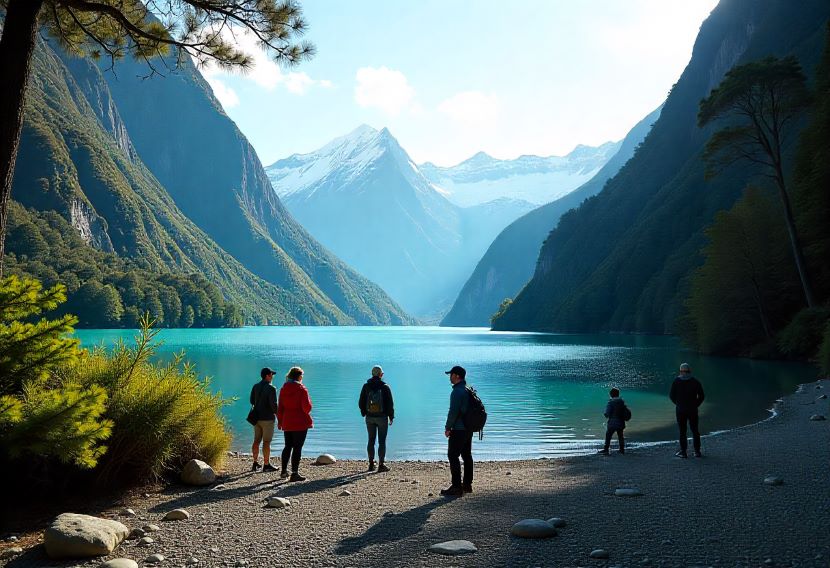
One of the primary locations affected by this change is Milford Sound, a breathtaking fjord located within Fiordland National Park. Famous for its dramatic waterfalls, dolphin-filled waters, and as a filming location for The Lord of the Rings, Milford Sound attracts thousands of visitors each year. To preserve the natural integrity of the area and prevent overcrowding, tourists will now have to pay a fee to enter.
Another iconic site set to introduce these charges is Te Whanganui-a-Hei (Cathedral Cove). Known for its picturesque natural archway that frames the beach, Cathedral Cove is one of New Zealand’s most photographed sites. Its immense popularity, however, has led to concerns about overuse and damage to the environment. As part of the new initiative, visitors will need to pay an entry fee to enjoy its stunning views.
Other locations that will be impacted include the Tongariro Crossing, one of the country’s most renowned hikes, and Aoraki Mount Cook, the tallest mountain in New Zealand. These areas attract both tourists seeking adventure and nature lovers, and the fees will help mitigate the environmental stress they endure from the growing influx of visitors.
The Economic Impact of the Tourist Charge
The new initiative is expected to generate around £28 million per year in revenue, which will be reinvested into the conservation and maintenance of these natural wonders. The funds will also contribute to the creation of local jobs and help improve the wages of those working in tourism and conservation roles. The New Zealand government has emphasized that this change will ensure that both locals and tourists continue to benefit from the country’s tourism industry, while also prioritizing sustainability.
While New Zealand residents will be exempt from these fees, international tourists will face the charge when visiting the most popular natural attractions. As the country seeks to balance the demand for tourism with the need for environmental conservation, these charges are seen as a necessary step to protect the landscapes that make New Zealand one of the most visited countries in the Southern Hemisphere.
Business and Tourism Impact
This new fee is bound to have an impact on both tourism and local businesses. For international visitors, the additional cost may affect the overall budget for their trip. However, it could also encourage more responsible tourism by limiting overcrowding at some of the country’s busiest tourist sites. Local businesses in the affected areas may see increased funding for conservation, improving the overall visitor experience and supporting the long-term sustainability of New Zealand’s tourism sector.
For business travelers, particularly those in tourism-related industries, this could mark a new era of pricing and budgeting for travel packages. Some may need to adjust their pricing models, particularly for tours and travel packages that include visits to these locations. However, the influx of funds into conservation projects is expected to benefit the tourism industry in the long term, improving infrastructure and visitor services.
Quick Travel Tips for Visitors
As New Zealand implements these new tourist charges, here are some essential tips for travelers:
- Check Entrance Fees in Advance: Ensure you’re aware of the new entry charges before visiting popular sites like Milford Sound and Cathedral Cove. You can find updated information on official government tourism websites.
- Budget for Extra Costs: Travelers should factor these additional charges into their travel budget to avoid surprises when visiting key attractions.
- Explore Less-Crowded Areas: For those who prefer to avoid the new fees or the crowds, New Zealand offers many other beautiful and lesser-known locations to explore.
- Consider Sustainable Tourism Options: Look into eco-friendly tours and experiences that contribute directly to conservation efforts.
What’s Next for New Zealand’s Tourism?
The introduction of tourist charges is just one of many steps New Zealand is taking to ensure the protection of its natural resources while supporting its growing tourism sector. While some may view the charges as an added expense, the move is seen as necessary for maintaining the sustainability of New Zealand’s most treasured locations. By implementing these fees, the government hopes to preserve the breathtaking landscapes that continue to draw millions of visitors each year, while also boosting local economies and creating a more sustainable tourism model for the future.
For travelers planning to visit New Zealand, it’s important to stay informed about these new changes and plan accordingly to ensure a smooth and responsible travel experience. As the country continues to balance the needs of tourists and the environment, it remains one of the most beautiful and unique destinations in the world, offering visitors unforgettable experiences in its wild and rugged landscapes.
