
Tuesday, August 5, 2025

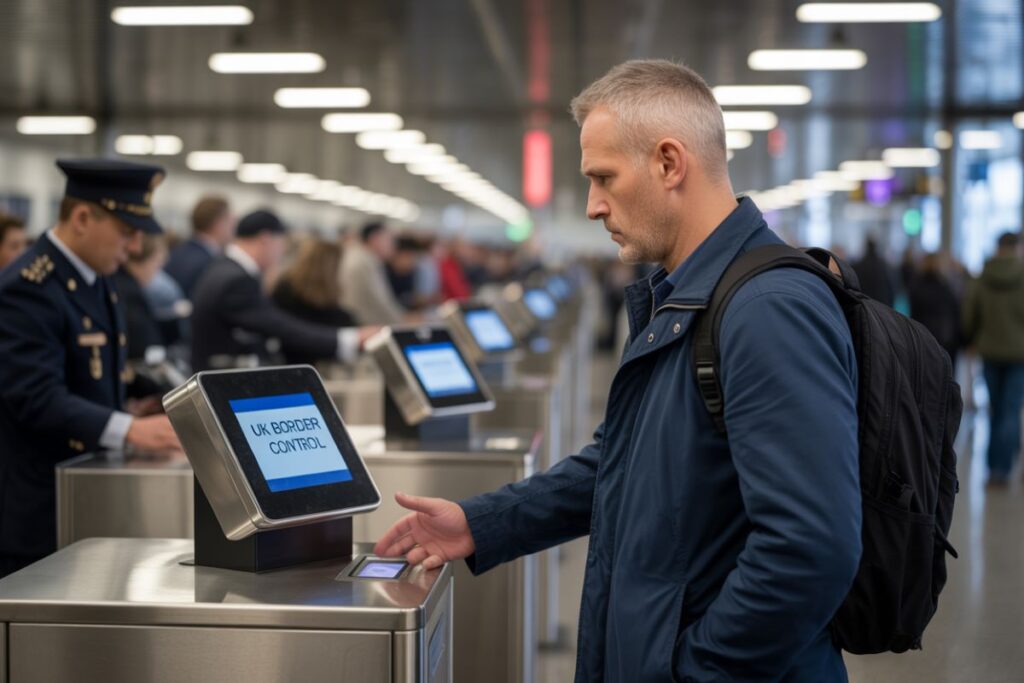
Starting on 12 October 2025, UK holidaymakers travelling to Spain, Greece, Italy, and other Schengen countries will need to follow fresh biometric arrival and departure rules set by the EU’s Entry/Exit System (EES). This modern border control setup will swap the familiar passport stamp for an all-digital log that collects fingerprints and facial pictures. The EES is designed to make crossing the border easier, boost security, and verify that all visitors stick to the Schengen rules. In the first months after launch, travellers can expect to spend a bit more time at border checks, but the system is expected to speed things up and make those crossings much smoother in the long run.
Understanding the EU’s Entry/Exit System (EES)
The EU’s Entry/Exit System (EES) is a state-of-the-art digital border management solution designed to accurately track the entry and exit of non-EU nationals across the Schengen area. By digitising border processes, the EES will eliminate manual passport stamps and replace them with biometric data collection, including fingerprints and facial recognition scans. Officially launching on 12 October 2025, this system aims to enhance security by promptly identifying overstayers and detecting identity and document fraud, significantly improving the management of Europe’s external borders.
Essential Preparations for UK Travellers
UK nationals must be prepared for significant changes in border crossing procedures. Under the new system, travellers entering Schengen countries will be required to provide biometric data, such as fingerprints and facial images. This data collection might commence within the UK itself at major ports of entry such as Dover, Eurotunnel at Folkestone, and St Pancras International. Additionally, biometric verification will also be required upon departure from the Schengen zone. Travellers should prepare for initial delays and allow extra time during the transition phase to avoid potential disruptions to their travel plans.
Reasons Behind Implementing the EES
The primary objectives of introducing the EES include modernising border security, improving border management accuracy, and reducing irregular migration. By systematically recording biometric data digitally, EU authorities aim to streamline procedures, improve data reliability, and ensure precise tracking of non-EU nationals’ movements within the Schengen area. This proactive approach will also facilitate quicker and more effective responses to security issues and overstays, enhancing overall safety and compliance.
Impact on UK Travellers’ Border Experiences
Initially, UK travellers should expect longer wait times at Schengen entry points due to the introduction of biometric checks. However, the long-term benefits of the EES system will outweigh these temporary inconveniences. Once fully integrated, the new automated systems will expedite border processing significantly, providing faster, smoother transitions at entry and exit points. The system will also facilitate greater use of automated e-gates at airports, streamlining the travel experience after the initial biometric registration.
Countries Included in the EES Implementation
The EES will be uniformly implemented across all 29 Schengen nations. This includes popular tourist destinations such as Spain, Italy, Greece, France, Germany, Portugal, and non-EU Schengen participants like Norway, Iceland, Switzerland, and Liechtenstein. Certain exemptions apply, including travellers from Ireland and Cyprus, which have distinct entry regulations and procedures.
Recommendations for Smooth Travel
To enjoy a smooth changeover to the new EES system, UK travellers will benefit from a little forward planning. First, it’s wise to carve out extra time when heading to the border—early arrivals will make queues less stressful. Staying up to date with the latest UK government travel advice is essential, as guidelines can change. Keeping all travel documents, including passports, visas and any required health proof, up to date and to hand will also save time. Some longer queues can be expected at first, but a little extra planning and a willingness to stay informed can keep everything on track. Once the EES is running fully across the Schengen area, travellers will enjoy a quicker, safer and more integrated border experience.
