
The basics:
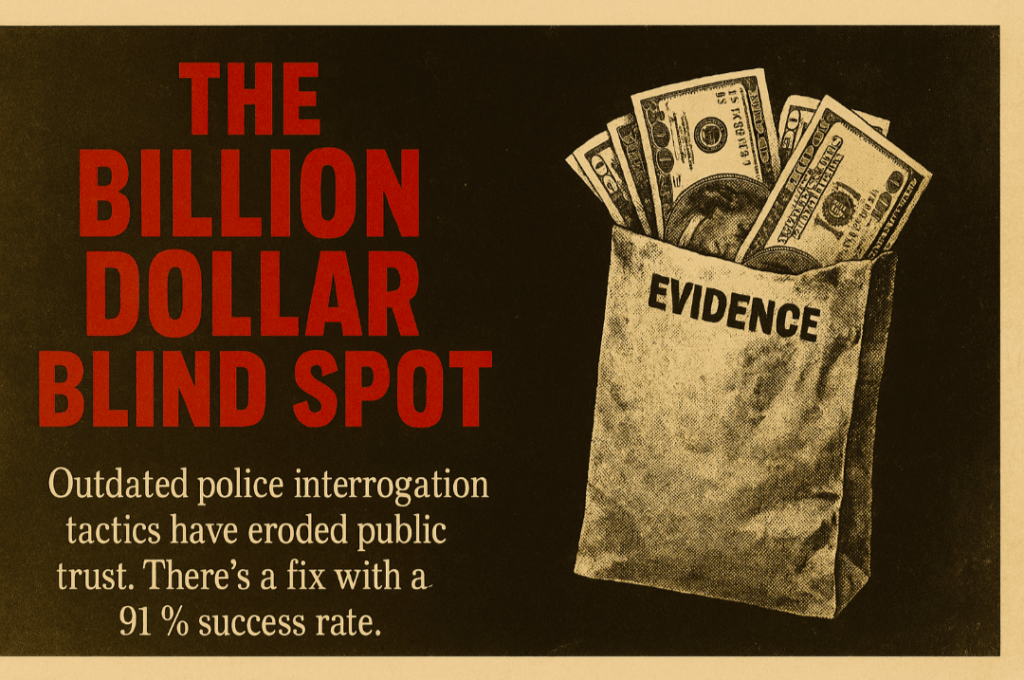
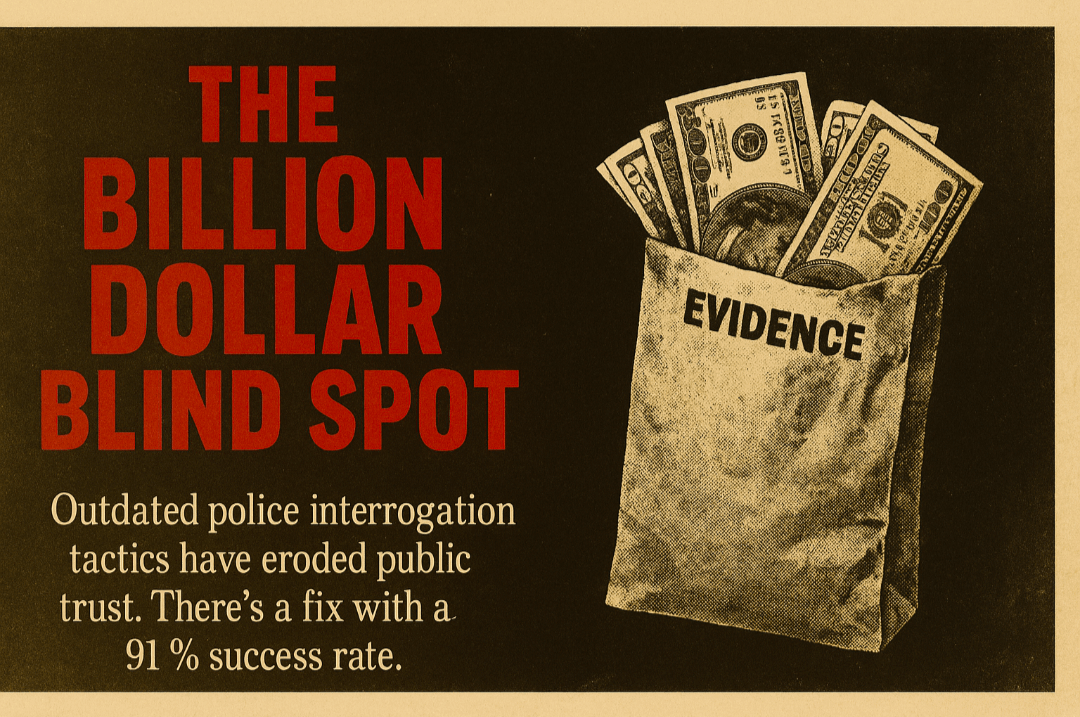
• Researchers paired open‑ended PEACE interviews with real‑time language‑analysis software and hit 91 % truth/lie accuracy, far beyond the human average.
• Cities already spend billions on wrongful‑conviction payouts tied to old interrogation tactics. Cutting errors isn’t just ethical; it’s a research backed solution.
• Humility beats overconfidence: studies show officers who “trust their gut” perform no better than chance. Real time language analysis model feedback flips that dynamic.
Why this matters for the future:
-
Tech + Justice: If natural‑language models can coach detectives live, we might slash false confessions the way DNA slashed wrongful convictions in the 1990s.
-
Bias Check: Algorithms focus on speech patterns, not body language, reducing cultural misreads that disproportionately harm marginalized groups.
-
Policy Clock: Some U.S. agencies are piloting these tools now. By 2030, tech‑guided interviews could be the norm, or banned, depending on public reaction.
Questions:
• What safeguards are needed so “tech assisted lie detection” doesn’t become a new polygraph?
• Could open‑source language models level the playing field, or will vendors lock this behind paywalls?
• Is replacing gut instinct with data the tipping point for wider “evidence‑based policing,” or just techno‑solutionism?
Curious to hear the sub’s take on whether this is the beginning of Policing 2.0 or simply another hype cycle.
https://medium.com/@carmitage/the-1-billion-blind-spot-0cb5fc2ee0f2
4 Comments
We’ve tried the lie detector for centuries, AI will face the same walls. Humans are simply too complex and too different to know who’s lying.
We don’t know how to perfectly detect lies, AI can only train on the data we provide. Data that don’t have any clues how to perfectly detect lies. It can only repeat the methods we know, not create new ones.
It’s also ironic to rely on a biased tool to do a biased check.
Submission Statement:
Pairing PEACE-style interviews with live language analysis has hit 91 % lie-truth accuracy, crushing the human average of about 60 %. If half of U.S. departments adopt it by 2030, we could slash false-confession payouts, save well over a billion dollars, and shift detective hours to real threats instead of chasing bad leads. The tech focuses on speech patterns, not shaky body-language myths, cutting cultural misreads that now drive wrongful convictions. A few agencies are already piloting it; the next seven years will decide whether machine-guided interviewing becomes standard practice or gets blocked by legal, ethical, and transparency hurdles.
I’m sorry, but I just will not ever trust any kind of tool to detect lies 100% of the time.
Here’s a great example: what do you do with people who’re autistic and can’t maintain eye contact no matter what? People who are socially anxious and whose heartbeats are already going crazy just by virtue of being asked questions in any sort of context? ADHD-havers that can’t pay attention for more than 10 seconds without resorting to dumping gallons of anxiety on themselves?
There is not a technology on Earth, now or in my lifetime, that I would trust to be able to handle with 100% reliability the nearly-infinitely-complex multitudes of humanity.
EDIT: I was caught not reading the article. Apparently, it talks about this. Good. Reading the article is important, you guys.
PEACE: Are you hiding any immigrants on your property?
SUBJECT: No.
PEACE: Lie detected, confidence 91%. Recommend: terminate food aid.