
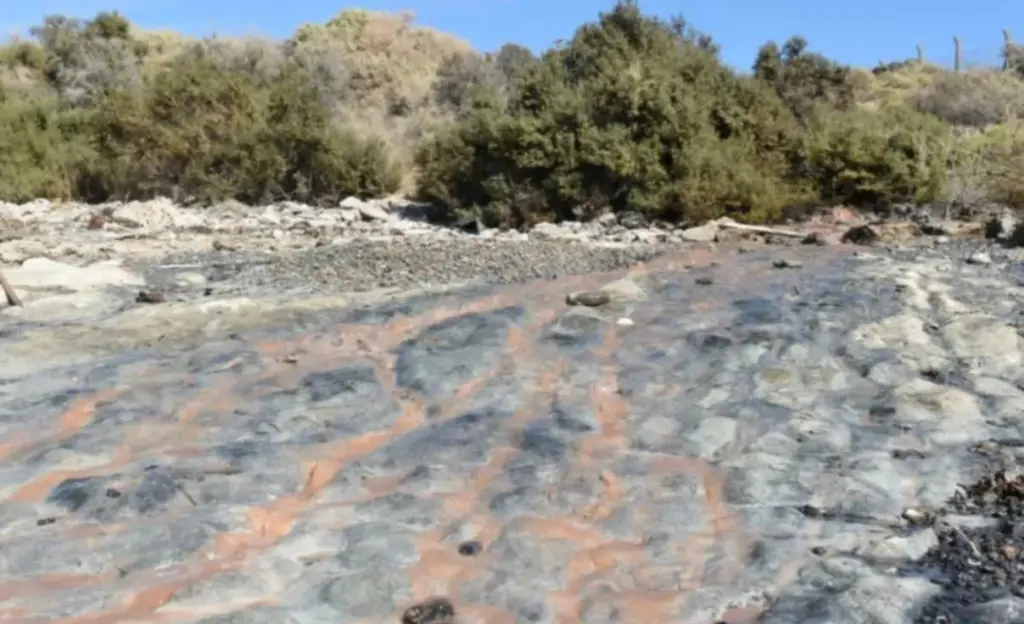
This Monday, the trial for alleged environmental damage against Nadine Parry, plant manager, and Brahim Yoosef Vargas, in charge of effluent treatment at the company Conarpesa Continental Armadores de Pesca SA, began in Puerto Madryn.
Both are accused of allowing the discharge of untreated liquids into the sea, causing pollution in the Golfo Nuevo.
A judicial process that could set a precedent
The trial, presided over by Judge Patricia Reyes, involves the accusation by Chief Prosecutor Alex Williams and Prosecutor Florencia Bianchi from the Environmental Crimes Agency.
The hearings started at 8:40 a.m. and include the testimony of witnesses, environmental experts, and technicians, as well as the presentation of evidence to determine if the damage caused is irreversible.
Case background: processing and technical findings
In April 2023, Judge Marcela Pérez Bogado processed Parry, Yoosef, and the company as a legal entity, following a request by Prosecutor Williams.
The investigation began in 2020 after the release of a video showing a pink liquid with a strong odor flowing into the sea from the Industrial Fishing Park.
An on-site inspection conducted by the Scientific Police, the Secretariat of Ecology and Environment, and the CENPAT – CONICET confirmed the existence of an undeclared bypass connecting Conarpesa’s facilities to the authorized main pipe, allowing the direct discharge of untreated liquids.
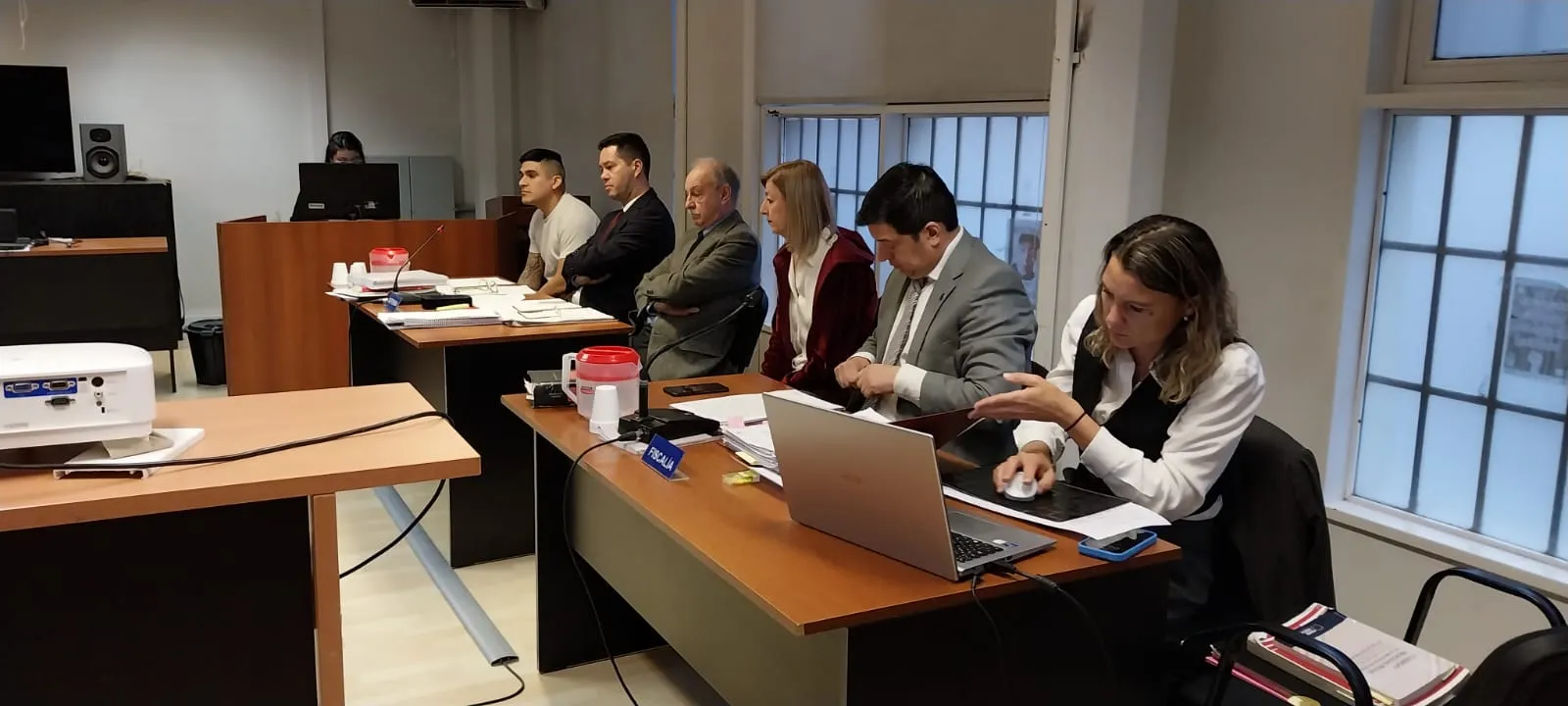 Nadine Parry, plant manager, and Brahim Yoosef Vargas, in charge of effluent treatment, are being tried for environmental damage
Certified contamination: alarming bacteriological levels
According to data published in March 2023, analyses carried out by CENPAT revealed bacterial contamination levels 2,300 times higher than permitted, and 2,700 times higher in the case of Escherichia coli. These values confirm the severity of the environmental impact in Golfo Nuevo.
The prosecution argues that the plant manager and an area chief decided to implement a system for discharging raw effluents, leading to their processing. On the other hand, the Spanish entrepreneur who owns Conarpesa was not charged. It could not be proven that he was aware of the operation of the illegal system.
A hidden pipe and a systematic behavior
During a raid with a backhoe, an inspection chamber connecting Conarpesa’s premises to the authorized system was discovered.
From there, the flow of an orange-pink liquid mixing with the legal pipe was observed, discharging into the sea without prior treatment.
The Prosecution concluded that the company had implemented a clandestine discharge system, using undeclared pipes to direct waste directly into the ocean.