
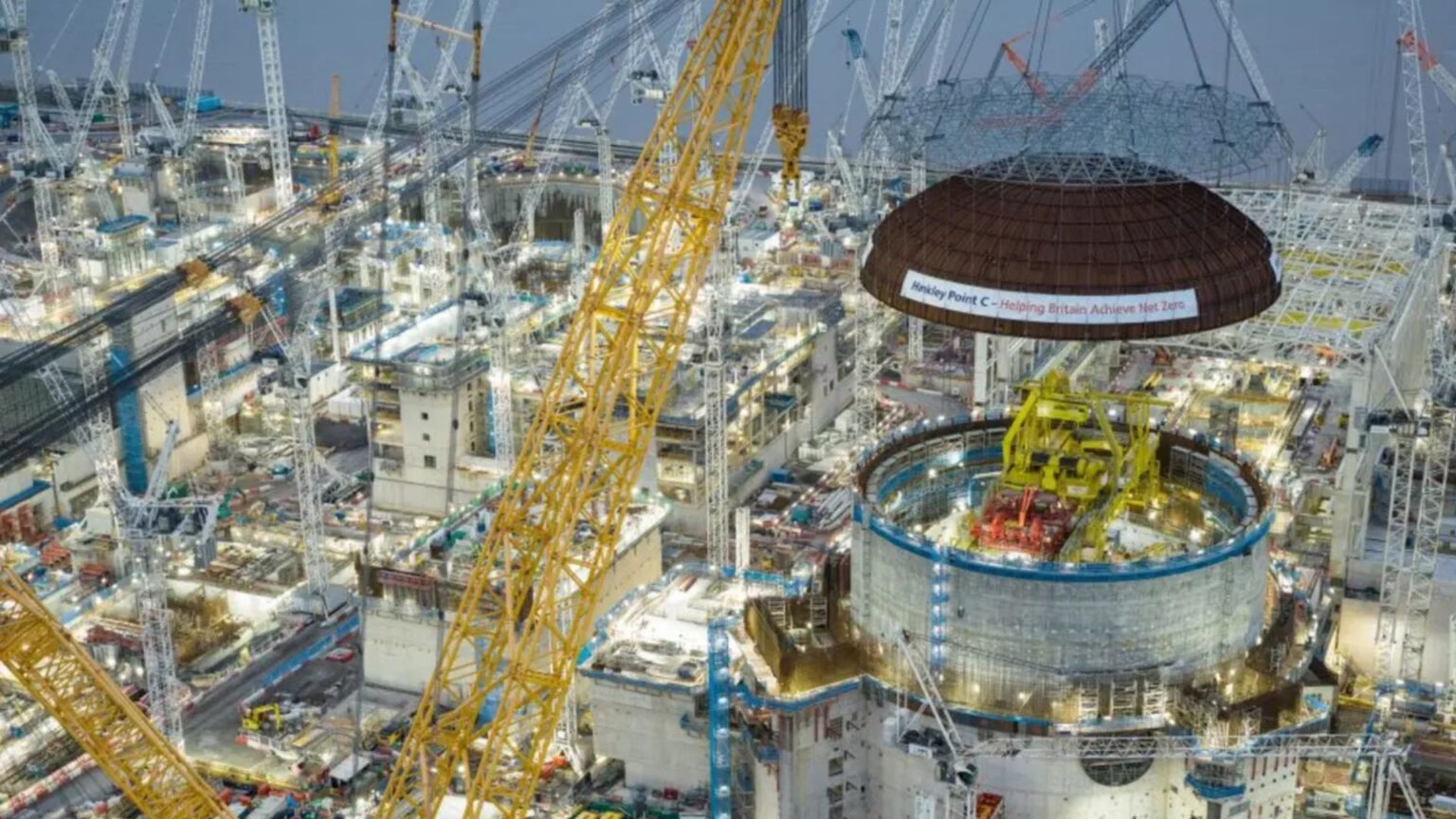
The University of Manchester has been awarded a grant for a program to change the graphite lifecycle in nuclear reactors.
The program, led by the University of Manchester, will also see participation from Oxford, Plymouth, and Loughborough universities.
The five-year program is called Enabling a Lifecycle Approach to Graphite for Advanced Modular Reactors (ENLIGHT). It aims to develop critical technologies needed to support the deployment of next-gen nuclear energy in the United Kingdom.
The program aims to deliver on two important fronts – ensuring a sustainable and sovereign supply of nuclear graphite and finding a solution to the irradiated graphite waste.
The project is supported by a $11.04 million ($8.2 million) grant from the UK Research and Innovation’s Engineering and Physical Sciences Research Council (EPSRC), Higher Education Institutions, and around $6.7 million (£5 million) of contributions from industry partners.
ENLIGHT program – Graphite for advanced modular reactors
The ENLIGHT program aims to support the UK’s transition to nuclear energy to meet the country’s net zero goals.
The UK has set a goal to deliver 24 gigawatts of new nuclear power by 2050. Graphite is one of the critical components in many next-gen advanced modular reactors, high-temperature gas-cooled reactors, and molten salt reactor designs.
According to a press release by the University of Manchester, graphite accounts for around one-third of reactor build costs. However, despite its importance, the country relies on imports to meet the demand.
Therefore, there is an urgent need for the UK to get its hands on a homegrown supply chain of graphite fit for nuclear reactors.
Moreover, the country has over 100,000 tons of irradiated graphite in storage, and more will arrive in the days ahead as the existing advanced gas-cooled reactor fleet is going to be decommissioned by 2028.
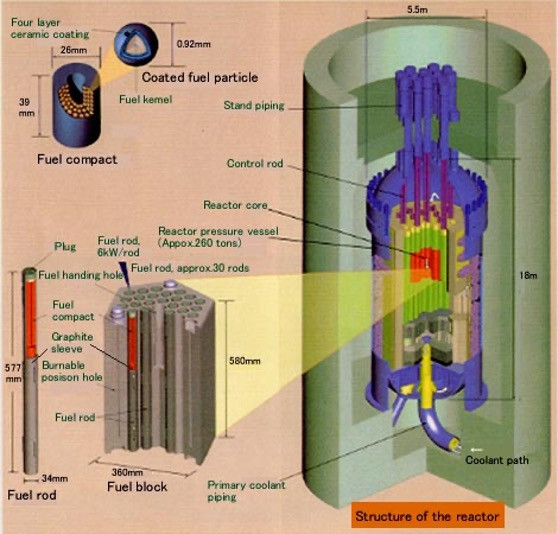 Inner structure of a nuclear reactor. University of Manchester
The program will aim to recycle the existing irradiated graphite and also produce new graphite suitable for future nuclear reactors. It will also aim to design new graphite materials that are made to withstand extreme conditions in nuclear reactors; it includes studying them to find out how the lifespan can be improved.
Cost savings for the UK, and participation from other universities
The press release states that the program would help the UK save up to $2.69 billion (£2 billion) in future waste management.
“Nuclear graphite plays a vital role in the safety and efficiency of advanced reactors, yet the UK currently relies on overseas suppliers for this material.
ENLIGHT will lay the foundation to reestablish the UK-based graphite supply chain while developing sustainable solutions to recycle and reuse irradiated graphite,” said Principal Investigator Professor Abbie Jones, Chair in Nuclear Graphite at The University of Manchester.
Jones further said that they will look to transform a growing waste stream into a valuable resource. “This program will reduce waste, strengthen energy security, and support the country’s net zero ambitions.”
The ENLIGHT program also wants to train the next generation of graphite scientists and engineers needed for the UK’s clean energy future.
The team at Oxford will lead the graphite selection and design-related function of the program. The researchers at Loughborough University will contribute through advanced computational modeling to explore how the nuclear graphite behaves under extreme conditions.
The University of Plymouth team will analyze the porous materials, which is an important step in evaluating the performance of repurposed graphite.