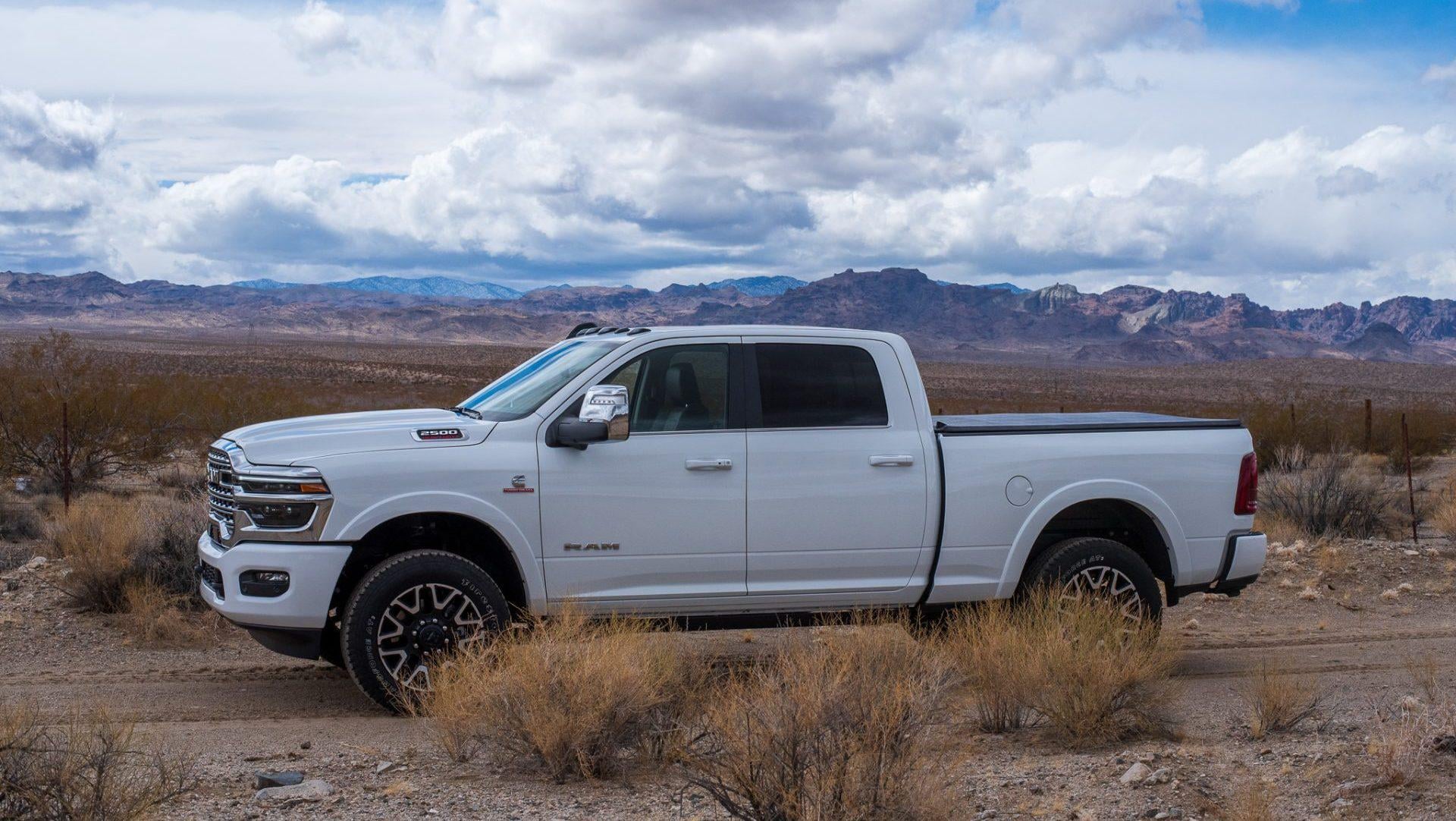
EPA Tells Truck Makers to Stop Forcing Immediate Limp Mode for Low DEF
https://www.thedrive.com/news/epa-tells-truck-makers-to-stop-forcing-limp-mode-for-low-def

EPA Tells Truck Makers to Stop Forcing Immediate Limp Mode for Low DEF
https://www.thedrive.com/news/epa-tells-truck-makers-to-stop-forcing-limp-mode-for-low-def
4 Comments
This latest move has serious implications and it’s unclear how things play out. On one hand, automakers have invested a ton of money into DEF systems. This decision feels like it’l instantly enable people and make them feel like they have a green light to strip out DEF systems from their trucks. Further, what incentive do consumers now have to fill their DEF tanks once empty, once software gets updated to allow for operation without DEF? This seems like a dangerous sliding scale. Obviously consumers, specifically this demographic, that don’t believe in climate change and or just feel all these devices do nothing but hurt power and overcomplicate things, are going to champion this and feel empowered. But what about future generations? What about protecting those that can’t change the future?
If you look at this quote, he could easily be talking about fuel too…
How’s it so hard to refil a liquid purchasable at any gas station at the same time?
When all it does is reduce emissions by 99%. Seriously.
—-
We have heard loud and clear from small businesses across the United States that the current DEF system is unacceptable. It is unacceptable that farmers, truckers, construction workers, and many other small businesses continually experience failures of diesel-powered equipment when they need it most—costing millions of dollars in lost productivity,” Zeldin insisted. “Today, we are responding to those concerns by calling on manufacturers to take action to update their software and eliminate the unnecessary sudden loss of power and frustrating shutdowns that too many Americans have experienced.”
Can they do something about this active fuel management nonsense instead? Every new truck and suv has lifters going out trying to meet fuel standards.
Good. Doesn’t go far enough in my opinion, unless the article has watered down the interpretation a bit. Vehicles shouldn’t strand drivers due to emission system faults that do not impact engine health. Many more of these systems will stay on vehicles and at least partially function if the systems stop shutting drivers down for every little error reported out by the complex and error-prone emissions systems.
Annoying the driver would be a much better implementation than stranding them until repairs are complete. That’s been pretty effective at getting folks to wear seat belts. It can work here too.
Our emissions standards have gotten out of hand, resulting in the unintended consequences of pushing people into bigger, less efficient vehicles than they need and then encouraging people to disable the systems putting in overtime to clean them up. It’s healthy to take another look at those standards and reevaluate where they are working and where they aren’t.
Don’t fall into the trap of hating this just because of the source. Even a broken clock is right twice a day.