
Hera: 23,7% of young people in the Republic of Macedonia neither study nor work, forced to seek prospects abroad

Express newspaper
12/08/2025 13:13
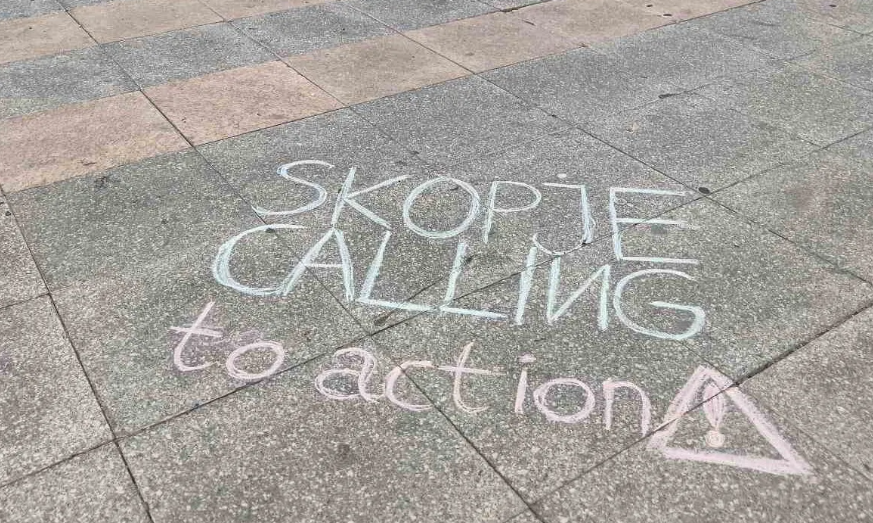
On the occasion of August 12 – International Youth Day and in anticipation of the upcoming local elections, the Hera Association calls on all candidates for mayors and councilors to prepare their election programs in consultation and direct dialogue with young people. They are asking for concrete steps to improve the living conditions of young people, not declarative support. Young people in North Macedonia add that they still live in a reality filled with systemic challenges, limited opportunities and an uncertain future. From high unemployment, poor quality education, lack of youth-friendly health services, to weak institutional support and the lack of safe public spaces, corruption, young people are forced to seek prospects outside their country, reports Portalb.mk.
“According to official data, 23.7% of young people aged 15 to 29 are NEET – neither in education, employment or training, which is well above the European average and a serious signal of systemic neglect for this generation. Data from the latest National Youth Strategy 2023–2027 show that young people in the country face limited access to services, low levels of participation in public life and distrust in institutions – more than two-thirds of young people believe that they are not adequately involved in the decision-making process and up to 70% of young people are not interested in politics. The study on socio-political participation of young people in North Macedonia confirms that half of young people (51.4%) believe that the authorities do not care at all about their needs and problems, and only 1.1% believe that the authorities care fully about their needs and problems. Three-quarters of young people (73.7%) do not are involved or consulted by local or national institutions in decision-making. Also worrying is the fact that 74.4% of young people do not belong to any organization or other form of organization.”, they say from HERA.
Although the Law on Youth Participation and Youth Policies, they add, has been in force since 2020, its implementation at the local level is minimal – only 19 municipalities have established a local youth council, and local youth strategies have been adopted in only 7 municipalities. Meanwhile, a large number of young people face a lack of public spaces, cultural isolation, and a lack of informal education and mentoring.
The mental health situation is equally alarming – up to 64% of girls aged 15 experience two or more psychosomatic complaints once a week, and up to 53% of the same group have a depressed mood. Violence is also on the rise, and Programs for the Promotion of Mental Health of Children and Youth are needed.
In anticipation of the upcoming local elections, HERA uses this day as a call for all candidates for mayors and councilors to prepare their election programs in consultation and direct dialogue with young people. They are asking for concrete steps to improve the living conditions of young people, not declarative support. Specifically:
- The creation of functional youth councils in each municipality, with clear competence, transparent selection procedure and real influence on local policies and budgets.
- Introducing a separate budget line for youth policies and programs, with direct participation of young people in the creation and monitoring of expenditures.
- Providing accessible, free and safe public spaces for youth initiatives, youth centers (sexual and reproductive health, mental health, creative expression, development of subcultures) especially in smaller municipalities and rural areas.
- Support for youth employment through the development of local self-employment programs, mentoring centers, innovation centers, and subsidies for young entrepreneurs.
- Introducing local mental health services – psychologists, social workers and mobile teams available to young people.
- Encouraging cooperation with youth organizations for non-formal education, sexual and reproductive health, and cultural programs.
- Involving young people in the preparation and implementation of all local development strategies.
“The departure of young people from the country will not be solved with campaigns and calls for patriotism and having children. It will be solved with concrete, measurable and long-term investments in their potential and living conditions.”
Local government is the first line of contact with young people in the country and is where real change must begin.
We call on institutions, politicians, media and civil society to treat young people not as a marginal group for accountability, but as equal partners in decision-making and creating the future. Young people are not just the future. Young people are the drivers of change – here and now,” it is said in the call.
We recall that in the last decade, a growing number of students from Macedoniahave they sought educational opportunities beyond the country’s borders?. Faced with challenges in fulfilling their academic aspirations, many are drawn to institutions abroad, where they have more advanced curricula, modern learning conditions and greater professional prospects. This trend, however, highlights deeper, systemic problems within North Macedonia’s higher education system, and as the number of students leaving continues to rise, profound questions are raised about the capacity of the country’s academic institutions to retain young talent and foster an environment conducive to innovation and progress.
According to a study by the Westminster Foundation for Democracy, North Macedonia invests between 116 and 433 million euros per year in the education and training of young people, who then leave the country. In the last 30 years, there has been a 10% reduction in the country’s population due to the significant emigration of highly skilled students. And it is unlikely to stop this number from increasing.