
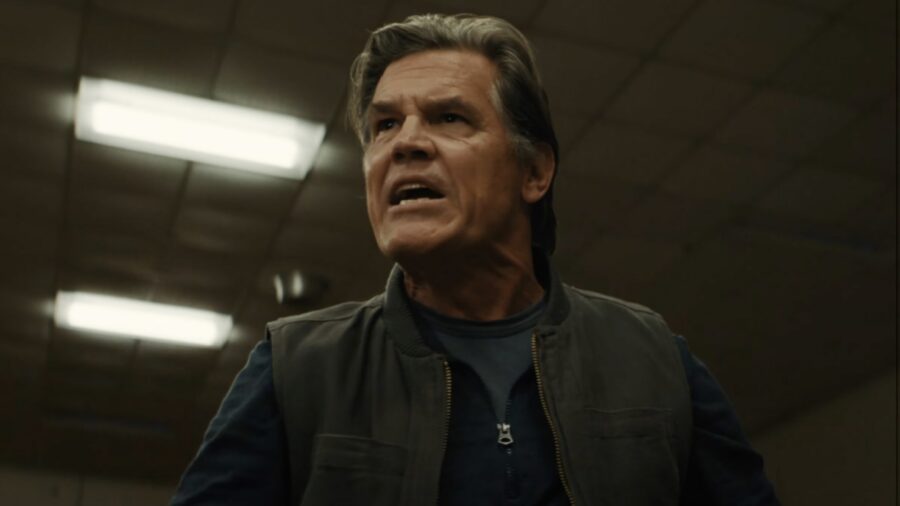
Josh Brolin has been doing the press tour for Weapons (my review) and one quote that is making the rounds is in regards to streaming. Brolin said, “Right now, with so much content, you’re just watching things on whatever streaming service you’re on, and you’re just going, ‘Fuck, why is this so boring, man? Why?’ And just go to the next thing. It’s all the same shit.”
It’s not the most cohesive and well-researched argument, but Josh Brolin does give a solid entry point into a discussion about why streaming programming is falling victim to unavoidable homogeneity. To preface, there are obviously great movies and series being produced exclusively for streaming platforms, but streaming exclusivity and that business model have encouraged more… let’s call it algorithm-friendly projects that end up being forgettable.
So, it is worth arguing for a movie like Weapons as antithetical to the streaming landscape.
Movies Are Still Important Creative Platforms
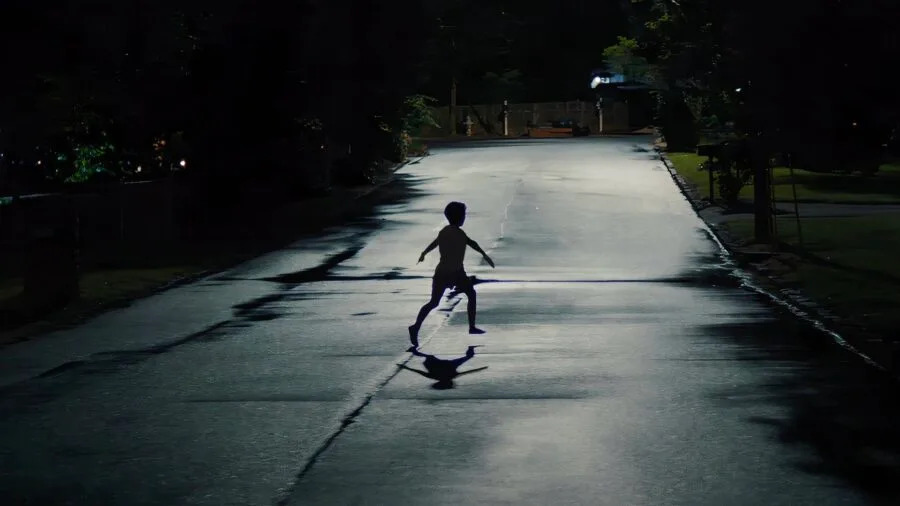
Josh Brolin’s comment about streaming does tie into a larger issue with what streaming has done to movies as an art form. The streaming landscape has devalued the placement of a movie in pop culture importance. With any number of services offering a seemingly infinite catalog of movies, the special availability of movies is no longer part of their appeal.
Except at the movie theater. Giving exhibition exclusivity of a new film to theaters is still cause for public interest and excitement. Weapons certainly proved that with its box office performance. If you find and encourage a special filmmaker, treat a movie’s production like something special with a sizable budget, and sell it to folks as a special experience, you usually end up with more special movies than factory-assembled ones. That proves that movies are still a major and marketable creative platform when you let actual creative people steer the ship.
Streaming Is Surface and That Hurts Filmmakers As Stars
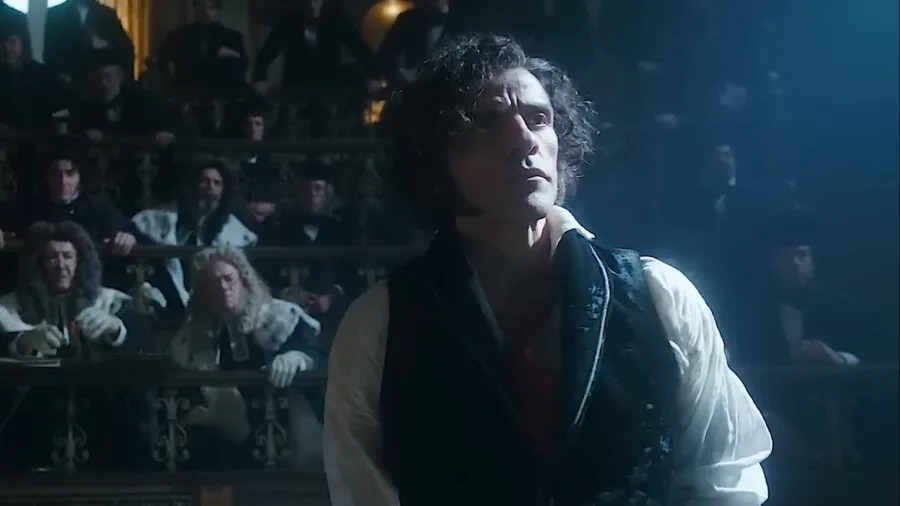
Another important facet to the specific argument Josh Brolin is making about streaming is that it is not elevating a new generation of unique cinematic voices. Yes, Guillermo del Toro has cemented a solid reputation at Netflix, but he had that established well before he got in bed with the streaming giant. You aren’t seeing a whole lot of young writer-directors being given the spotlight for being behind the scenes.
That’s because streaming platforms haven’t encouraged a strong enough ecosystem (read: haven’t spent the marketing dollars) so that audiences feel a pull towards the creatives behind the camera. Streaming wants recognizable star actors and pretty young up-and-comers because they act as brand emissaries by their very nature of being seen. The creatives behind these projects aren’t being fostered to be the next generation of filmmaking super talent like generations before.
There’s a larger conversation there in regards to the shifting control of corporate oversight as opposed to the old movie studios and their managerial practices, not to mention the escalating cultural devaluing of artists and artistic professions across every medium. But, I can only say so much before I get in trouble. So, let’s summarize this section by saying that streaming ain’t been too concentrated on giving culture the next Steven Spielberg.
Audiences Want Big Surprises and Streaming Is Risk Averse
It’s clear that Josh Brolin is also talking about how streaming isn’t a place for truly radical storytelling and filmmaking. Writer/director Zach Cregger made Weapons as an artist’s vision, not something that had been eaten and crapped out by the data monkeys every streaming service uses in order to minimize any risky ventures.
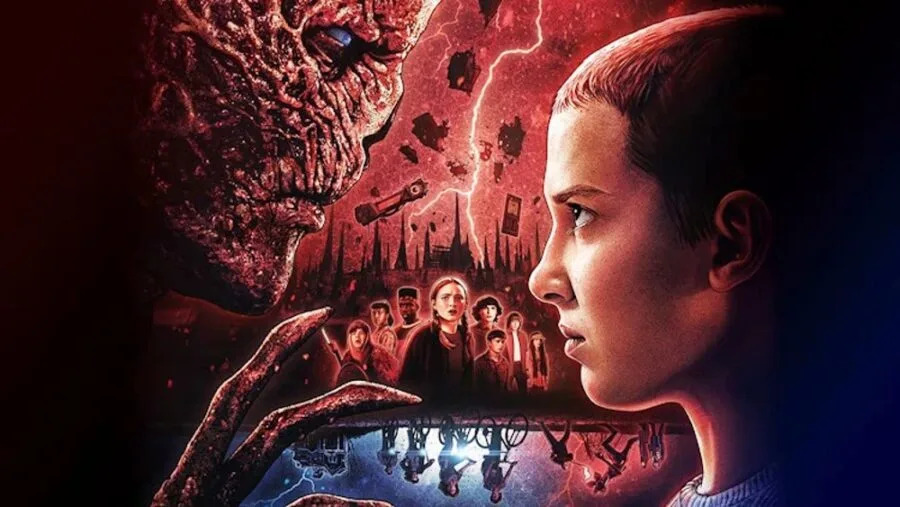
Streaming doesn’t often take the kind of huge swings movies do because it’s not cost-effective for them to do so. It’s way more “sensible” to make more Stranger Things (a property itself steeped in referential unoriginality) or a reboot series of I Know What You Did Last Summer but “modern.” It proliferates a mindset of familiarity and comfort because that’s what streamers want: loyal subscribers who view their content libraries as cozy, safe retreats into the expected instead of avenues for actual artistic exhibition.
Again, there are obviously great movies and shows debuting on streaming platforms. But Josh Brolin is right about the model of streaming itself. It is not surprising audiences or platforming visionary creatives, and it’s movies like Weapons that prove the movie theater model still matters as part of the art of cinema.