Grapevine waste turned into stronger plastic alternative, biodegrades in 17 days
https://interestingengineering.com/science/grapevine-waste-stronger-plastic-alternative

Grapevine waste turned into stronger plastic alternative, biodegrades in 17 days
https://interestingengineering.com/science/grapevine-waste-stronger-plastic-alternative
3 Comments
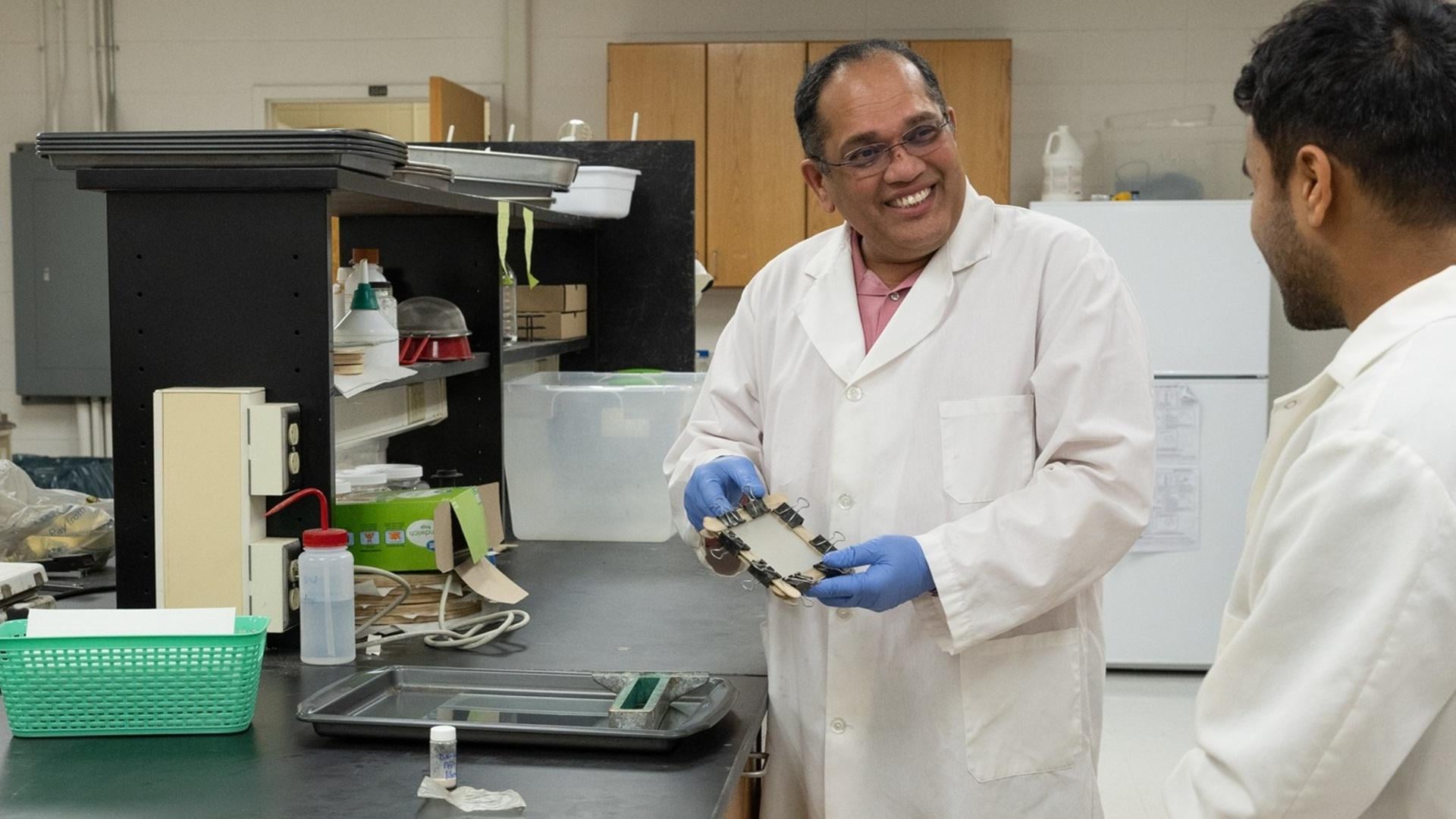
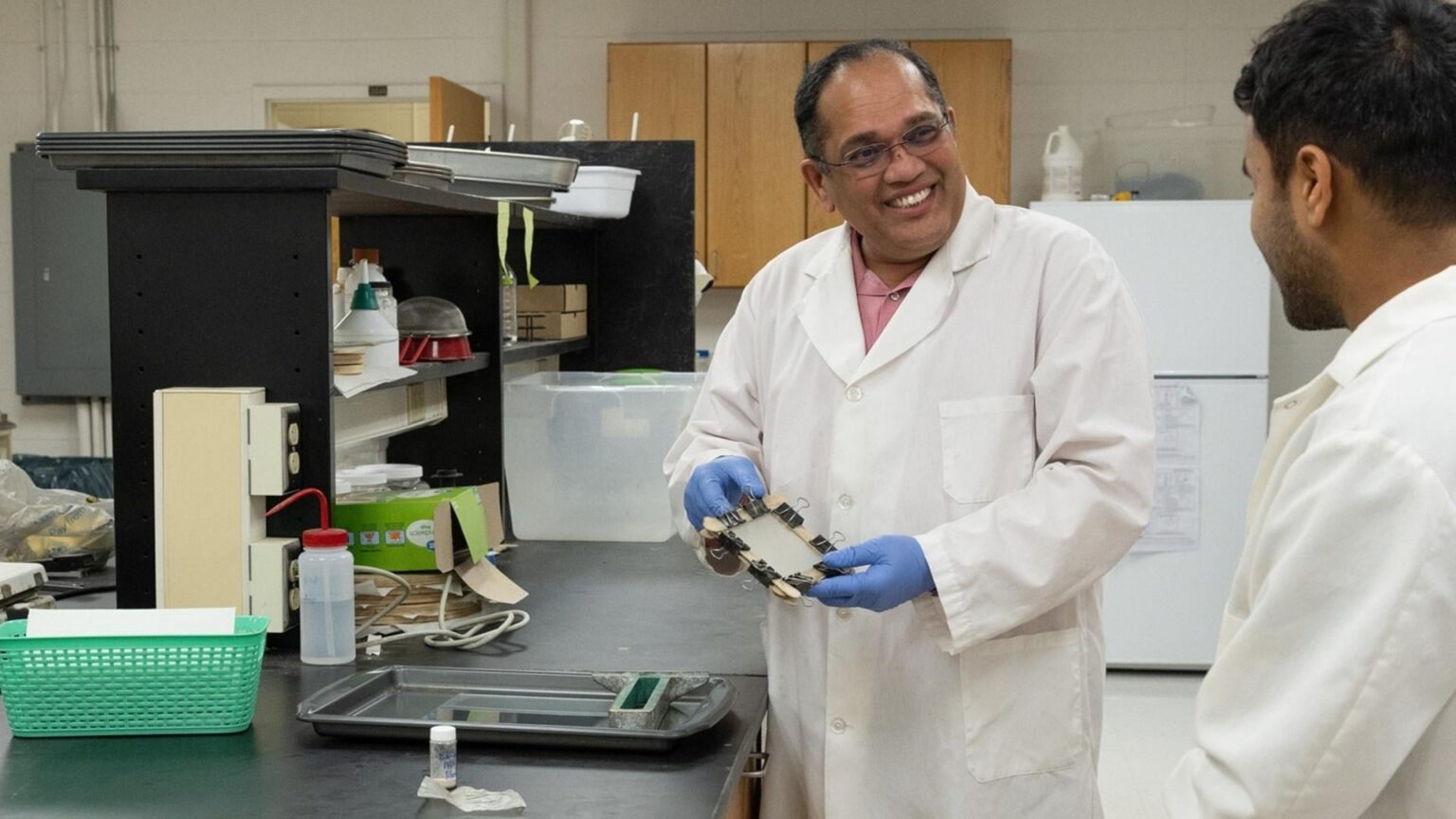
Researchers in the U.S. have turned disposed grapevine canes into a plastic-like material that is not only stronger than plastic itself but also decomposes in less than three weeks.
Led by Srinivas Janaswamy, PhD, an associate professor at the Department of Dairy and Food Science at South Dakota State University, the team developed a method to turn the overlooked agricultural byproduct into sustainable packaging.
A 17 day biodegradation certainly is better than that of some other bioplastics like PLA (polylactic acid) which doesn’t like to break down unless put in an industrial composter, though some people who use PLA 3D prints in their fish tank find it degrades there, and bromelain from pineapples is another way to break it down, as acetone can as well. Still, 17 days, if it breaks down that fast in real-world conditions would be quite amazing. Also there are some things to note about cellulose, and that it was a component of early plastics, such as cellulose acetate and cellulose nitrate. Cellulose nitrate isn’t very safe considering how it likes burning up if you aren’t careful with it. Meanwhile cellulose acetate is nowadays being considered as a potential candidate for straw material, so use of cellulose has merit to it. Though stuff like white celluloid from the olden days wasn’t easy to melt. The key thing to consider is how cellulose plastic would react to processes that use thin plastics to encase stuff, particularly when it involves heat or uses heat to shrink/seal it. Also, how it would react with acidic/alkaline foods or other goods is an important factor too. Not to mention anything with enzymes in it, given how bromelain from pineapples interacts with PLA. That said, at least where bromelain is concerned, there are some scientific studies on how it interacts with cellulose acetate. Now, the other thing about cellulose acetate is that film of it can last a long time, at least for movies and pictures made on it that are stored properly in reasonable conditions. It’s when film made on it is stored badly where things start to break down. But even then, old film regardless of cellulose acetate or cellulose nitrate usage is quite delicate. It’s very easy to accidentally snap old film if you’re handling it without caution, especially as you start getting into the territory of multiple decades of age. This applies to both types as well. So the question becomes how long-term storage of the grapevine cellulose would go. Not everything packaged in thin plastic is something like food. As such, if you’re expecting something to be bagged for years, like packaged bolts, the question becomes would the grapevine cellulose degrade enough to make them take on anything that could cause rust? Honestly, the more we know about bioplastics the better.
Linked here from /r/wine and I’m curious to know if this came from vitis vinifera vines (which is what your favorite bottle of wine is made from).