
President Donald Trump has named centrist Democrat David Rosner to chair the Federal Energy Regulatory Commission (FERC).
Rosner replaces former Chairman Mark Christie, who officially stepped down on Aug. 8, months after announcing he was retiring from the
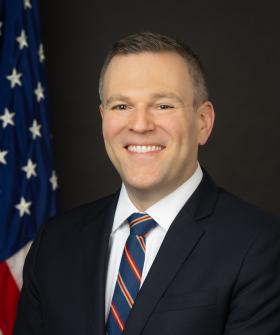 (Source: FERC)
organization.
The FERC announced the appointment Aug. 14. Currently three of five commissioner positions are filled — two Democrats, including Rosner, and one Republican.
The Trump administration has nominated two Republicans — Trump adviser David LaCerte and energy attorney Laura Swett — to fill the vacant seats, but their confirmations are not expected to go through until the end of the year.
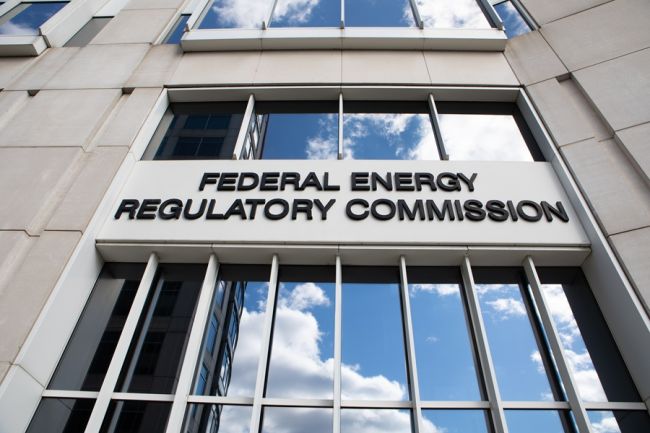
FERC is a government agency that regulates cross-state energy pipelines, power lines and LNG export terminals. Garnering a FERC permit, approved by the commission, is one of the key steps of most large-scale energy projects.
Rosner served as an aide to then-Sen. Joe Manchin
“I am honored to serve as Chairman and excited to continue working with my colleagues on the Commission and FERC’s extraordinary staff to enable reliable, affordable, and abundant energy for all Americans,” Rosner said in a release.
Industry and utility groups responded positively to the announcement.
Rosner has demonstrated a reasoned and thoughtful approach to policy and leadership, “qualities that will be essential as the nation works to meet rising electricity demand while maintaining reliability,” said Todd Snitchler, President and CEO of the Electric Power Supply Association.
Environmental groups opposed Rosner’s original appointment to FERC in 2024. The Friends of the Earth organization said he was “a paid cheerleader for the LNG boom before it was fashionable.”
While waiting for the next round of appointed commissioners, the FERC has some key votes coming up, noted ARBO, an analytics firm that tracks government regulation of the energy sector.
The FERC is currently working through a dispute in the Northeast regarding proposed data center projects that are co-located with large generators. The eventual decision will have nationwide effects on the future design of data center campuses.