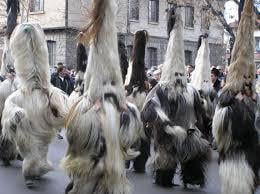
I’m visiting bulgaria and find these rituals and traditions fascinating. It’s weird not a lot of people are talking about it
https://i.redd.it/esr03vg9zdjf1.jpeg
Posted by trombolio_barlamous

I’m visiting bulgaria and find these rituals and traditions fascinating. It’s weird not a lot of people are talking about it
https://i.redd.it/esr03vg9zdjf1.jpeg
Posted by trombolio_barlamous
9 Comments
Look up the following books:
Димитър Маринов – Народна вяра и релиогиозни народни обичаи
Иваничка Георгиева – Българска народна митология
I can’t think of any notable sources in English rn but I can check later.
It is happening between New years Eve and “Sirni Zagovezni”, 7 weeks before Easter. Usually, in January. Many cities are participating in this tradition. But the biggest selebration I believe is in Pernik.
Баба Ванга probably. Visit her as soon as you can!
You could visit a few ethnographic museums, they usually have a few exhibits. But basically, every region has a bit of pagan rituals left in some form of holidays, it’s just that most people here take them for granted and some are even incorporated into Christian holidays.
That’s why people don’t talk that much about them – like St. Lazarus’ day with Lazarki – young girls dress up in traditional clothes and sing songs from door to door or Koledari – men dressed like old timey shepards also going door to door to sing for good fortune. These were all derived from Slavic or Bulgar pagan rituals.
Only the Kukeri – the ones you pictured here – are the most distinctly pagan. And you could also look up Nestinari – the live embers or fire walkers. I’ve seen them once and they’re fascinating too, but very few people still do that kind of thing.
This picture is taken in Razlog, just 5 km from the town of Bansko. Every year on the first day of the year we have this massive gathering, where people dress with these costumes to ”scare away the ghosts and bad forces”. Feel free to ask me anything about it.
This one also.
https://preview.redd.it/pe2b5u74lejf1.png?width=953&format=png&auto=webp&s=77502d72e1245d12521ef8e25e81965de3e08291
This tradition only happens in the first months of the year
This specific photo is taken in Razlog , obviously if you want to know more for the tradition and history – visit the city!
Tangra