
Published on
August 17, 2025

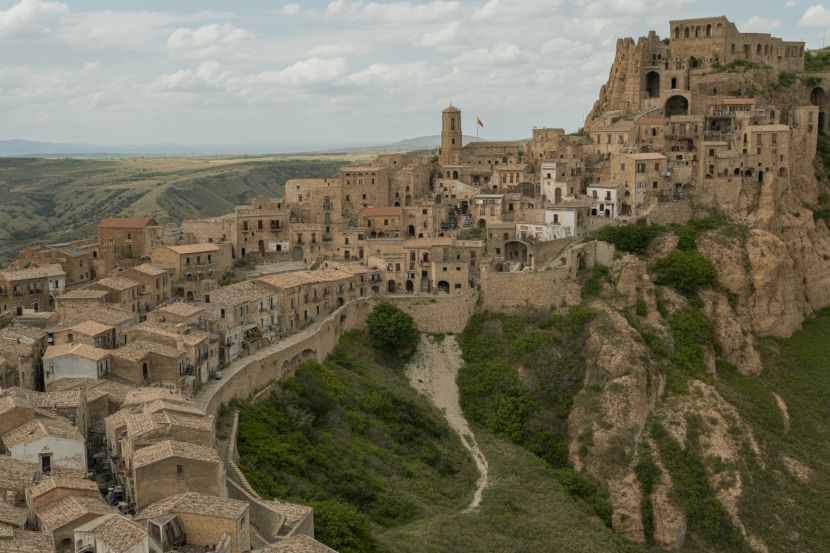
Italy, Craco is an abandoned hilltop village that draws fans of dark tourism like a magnet. Its crumbling, sun-bleached walls shimmer against the southern sky, giving the village a ghostly glow that feels both beautiful and mournful. Once, Craco hummed with daily life; now, only the wind and the occasional visitor keep its silent streets company. The land’s stubborn earthquakes and landslides urged the village to evacuate, but the stark cliffs and the valley’s rolling gold remind us of the people who once carved a life there. The combination of its history and jaw-dropping views makes Craco a must-stop for anyone intrigued by places where time has paused.
A Town Lost to Natural Disasters
The history of Craco is one of both prosperity and tragedy. Founded in 540 AD by the Greeks, it grew significantly over the centuries. By the Middle Ages, Craco had become an important settlement, home to grand palaces, churches, and a university established in 1276. The town flourished until a series of devastating natural disasters in the 20th century forced its residents to abandon it.
Craco’s final exodus began in 1963 after a catastrophic landslide struck the village, followed by flooding in 1972 and the 1980 Irpinia earthquake. By 1980, the town was completely uninhabited. Today, it stands as a silent testament to the destructive power of nature, its abandoned buildings and streets offering a poignant reminder of its once-thriving past.
Craco: A Haven for Dark Tourism
In recent years, Craco has become a popular destination for dark tourism, attracting thousands of visitors eager to explore its eerie ruins. The ghost town’s haunting beauty has also made it a favorite location for filmmakers, with notable movies like The Passion of the Christ using its dramatic landscapes as a backdrop.
Visitors to Craco can wander through its empty streets, pass by crumbling homes and bakeries with furniture still inside, and marvel at the remnants of daily life long gone. Key sites include the ancient Mother Church of San Nicola and the Madonna della Stella church, both of which offer a glimpse into the town’s once-vibrant religious life. The grand palaces, including Palazzo Carbone, Palazzo Grossi, and Palazzo Cammarota, stand in majestic decay, adding to the ghostly atmosphere.
The silence of Craco is only broken by the cautious footsteps of visitors and the occasional whisper of the wind. To preserve the town’s integrity, the entry is restricted, and only 35 people are allowed to enter at a time. Safety helmets are required due to the unstable terrain, which makes it a thrilling yet precarious place to visit.
Safety Tips for Visiting Craco
While Craco offers an unforgettable experience, travelers should take precautions to ensure their safety. Here are some essential safety tips for those planning to explore this haunting town:
- Stay with a Guide: The terrain in Craco can be treacherous, and parts of the town are unstable. It is advisable to visit with a licensed guide who is familiar with the area and can ensure safe navigation.
- Wear Safety Gear: Due to the unstable nature of the buildings and cliffs, it is essential to wear a safety helmet and sturdy footwear to protect yourself from potential hazards.
- Visit During Daylight: Craco is best visited during daylight hours when visibility is clear, and the surrounding hills provide the best panoramic views. Avoid visiting at night, as the terrain becomes more dangerous and the eerie atmosphere can be overwhelming.
- Respect the Restrictions: Access to certain parts of Craco is limited to prevent further damage to the site. Respect the guidelines set by the local authorities and do not attempt to enter restricted areas.
- Carry Water and Snacks: Craco is located in a remote area, and there are limited facilities nearby. Be sure to carry enough water and snacks for the duration of your visit, especially if you’re planning a long walk.
Craco’s Cultural Legacy and Tourism Impact
While the town itself may be abandoned, Craco’s legacy lives on through its cultural and historical significance. The village’s rich past, including its ties to the mysterious Knights Templar, adds to its allure for history enthusiasts. Moreover, the presence of Craco in popular films has further elevated its status as a must-see destination for those interested in both history and dark tourism.
As more visitors come to explore Craco’s haunting remains, local businesses in the nearby valley settlement of Craco Peschiera have started to benefit. Tourists often stop by to experience the area’s local cuisine and culture, injecting much-needed tourism dollars into the surrounding economy.
Conclusion: A Must-See Destination for Adventurers
Craco is more than just another photo-op on your trip, it’s an open door to the beauty and loss of a village that once sang with everyday noise. The mix of deep history, a shadowy feel, and bold cliffs pulls in dark tourism lovers and adventure seekers in equal measure. If you want the tales that shaped the bones of the buildings or the thrill of roaming a deserted town, Craco gives you an experience that stays with you long after you leave.
Trek up the old paths, heed the safety signs, and the village will carve itself into your mind. You’ll walk away knowing you’ve found a quiet jewel in the ever-expanding atlas of dark tourism.
