
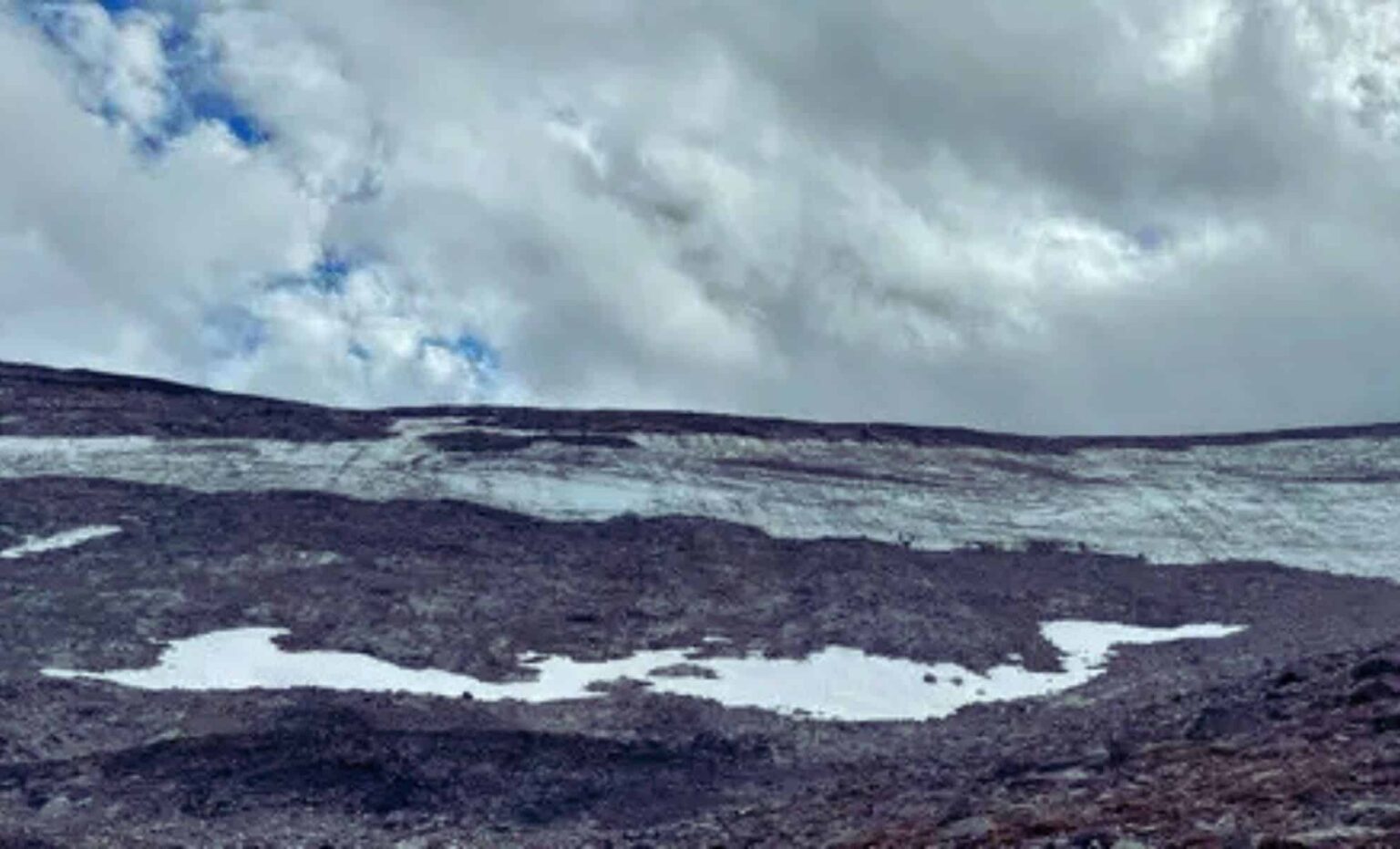
Recent discoveries of ancient artifacts from melting glaciers across Norway have captured the attention of archaeologists, offering a rare glimpse into the lives of prehistoric humans. According to a study led by Espen Finstad, co-leader of the Norwegian program Secrets of the Ice, these findings are part of a rapidly emerging field called glacial archaeology. Norway, which boasts over 4,500 discoveries, has been at the forefront of this research, contributing significantly to our understanding of ancient industries, trade routes, and daily life. These ancient objects are emerging from the ice, preserved for thousands of years and revealing critical clues about past societies.
Ancient Artifacts Surface as Glaciers Melt
As the Earth’s climate warms and glaciers melt due to human-induced climate change, ancient artifacts are being uncovered, some of which have remained frozen for centuries. The rapid rate of glacial melt, especially in Norway’s high mountain regions, is making these finds more frequent. The artifacts, which range from wooden tools and statues to reindeer-hunting arrows, are providing new insights into the industries and trade networks that existed across the region. These findings represent an unprecedented opportunity to study human life in extreme conditions and how ancient people interacted with their environment.
Espen Finstad, one of the leading figures in this research, describes the value of these discoveries. “There are so many treasures in the ice there,” he says, emphasizing the wealth of information preserved in the glaciers. As temperatures continue to rise, more objects are expected to emerge, offering archaeologists a unique chance to piece together the history of ancient societies.
Lendbreen: A Gateway to the Past
One of the most notable sites for these discoveries is Lendbreen, a well-known travel route during the Viking and medieval periods. Archaeologists have been returning to this site nearly every year to explore what the melting ice reveals. The site was historically used as a crucial passage for trade, travel, and hunting, linking coastal regions with inland areas. As the ice retreats, it has exposed a range of artifacts, many of which are remarkably well-preserved, offering rare insight into daily life.
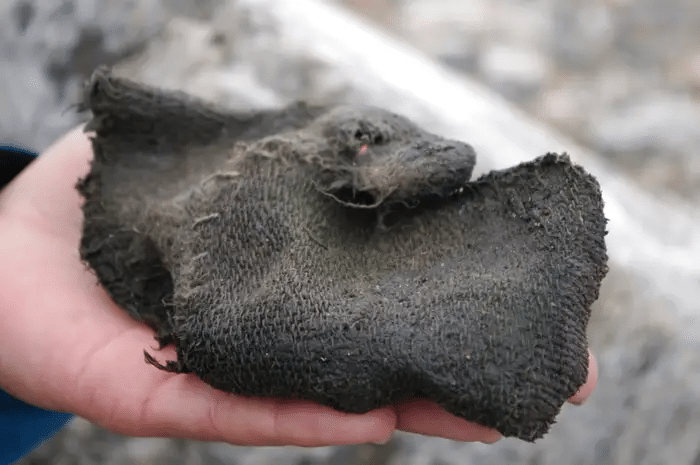 An ancient mitten. (Johan Wildhagen/Palookaville)
Finstad’s team has made several important discoveries in this area, including what he describes as “two of the best-preserved arrows we ever found.” One of these arrows was found lying on top of the ice, perfectly intact. “It’s very seldom to find them that well preserved on the ice. So it was kind of a gift. It was very beautiful,” Finstad reflects on the discovery, highlighting the significance of such rare finds.
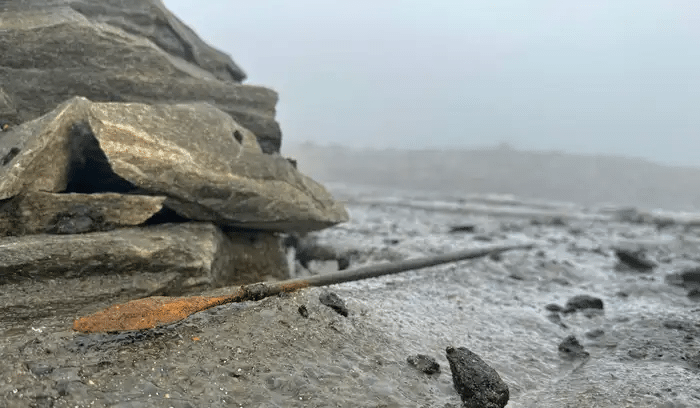 A 1300-year-old arrow as it was found lying on the ice at the Lendbreen ice patch in Innlandet County, Norway. Espen Finstad, secretsoftheice.com
In addition to the arrows, the site has also yielded other fascinating artifacts. These include small objects used in everyday life, which are often lost or degraded in other archaeological contexts. “It’s all kind of small things, daily life things from the Viking Age or older, which you don’t find in other archaeology contexts,” Finstad notes. These discoveries allow researchers to better understand the lifestyle and culture of ancient people, who were once reliant on the harsh landscapes of the Norwegian mountains.
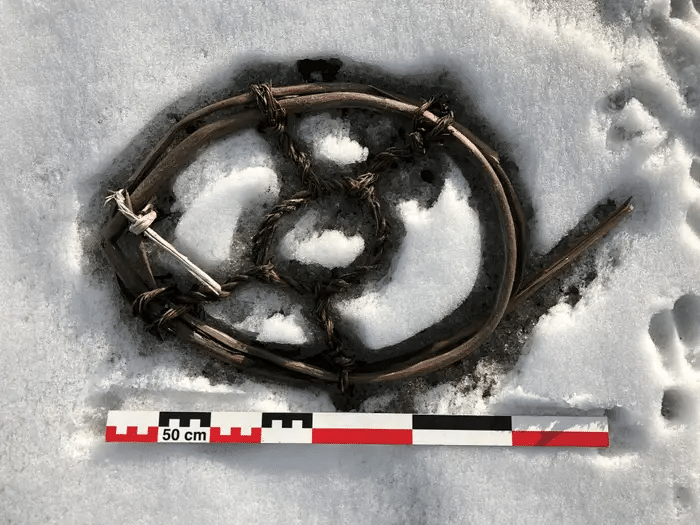 A 1700-year-old horse snowshoe was found on the ice at Lendbreen. Glacier Archaeology Program
Rare Preservation of Arrows and Tools
Archaeological finds at Lendbreen are especially significant because of the remarkable preservation of materials that are typically fragile and hard to maintain over centuries. The arrows found at the site are particularly notable for their condition, with some even retaining their fletching, a delicate part of the arrow that usually disintegrates over time. “Some of the prehistoric arrows Finstad’s team found last season were so well-preserved they still had fletching,” he adds. The preservation of such items offers archaeologists invaluable information about the materials used by ancient societies and the techniques employed in everyday life.
Arrows are commonly found in these glacial areas due to their association with reindeer hunting, which was not only a means of subsistence but also a significant industry during the Iron Age and medieval era. People hunted for both food and trade, making arrows an important artifact in the study of ancient economies and social structures. The discovery of arrowheads with tips made from river mussels, materials that likely originated far from the site, sheds light on the vast trade networks that spanned great distances.
Ancient Trade Routes Revealed by Ice
The artifacts recovered from Norway’s glaciers are offering crucial clues about ancient trade routes. These routes connected distant regions, facilitating the exchange of goods and resources. “Some arrowheads found on the glaciers have tips made from river mussels that must have come from far away, cluing researchers in to just how far people were traveling and trading over the ages,” Finstad explains. This discovery underscores the sophistication of ancient trade networks, revealing how ancient societies were able to maintain long-distance trade relationships, even in harsh environments.
The findings at Lendbreen and other sites suggest that trade was a vital aspect of life in ancient Norway, contributing to the development of industries, markets, and social interactions. These trade routes likely played a crucial role in the survival and prosperity of these communities, enabling them to access materials and resources that would have been otherwise unavailable.