
Many people in Malta, mostly politicians, have long been saying that we need ‘a new kind of politics’.
In the daily noise of Maltese politics – the press conferences, the party rallies, the endless exchange of accusations – one theme is quietly emerging that deserves serious attention: the idea that our democracy must move beyond the politics of contract and rediscover the politics of covenant.
The language comes from the British philosopher Jonathan Sacks, who died recently, who drew a clear distinction. A contract, he said, is rooted in self-interest and held together by law. It is transactional. A covenant, by contrast, is rooted in a shared moral vision – loyalty, obligation, identity, reciprocity. It binds people not because they must but because they believe in each other.
For too long, Malta’s political life has been dominated by contracts of convenience: short-term deals, clientelism and a winner-takes-all mentality that treats public office as a prize rather than a public trust. The results are everywhere: weakened institutions, a planning system that prizes development over heritage and a corrosion of civic trust so deep that citizens have come to expect disappointment.
In Malta, at present, our sense of competition is strong but our bonds of co-operation have grown weak. Our families and communities are fracturing.
The system seems to have been working so far, during times of economic growth, and most people seem to be feeling that life is getting better for them and their children.
But things are getting tougher, and many things are going wrong. People are seeing around them the failures of the market and the state. A few are gaining, many are losing. Many things are about competition and self-interest. In short, we are also getting the politics of anger.
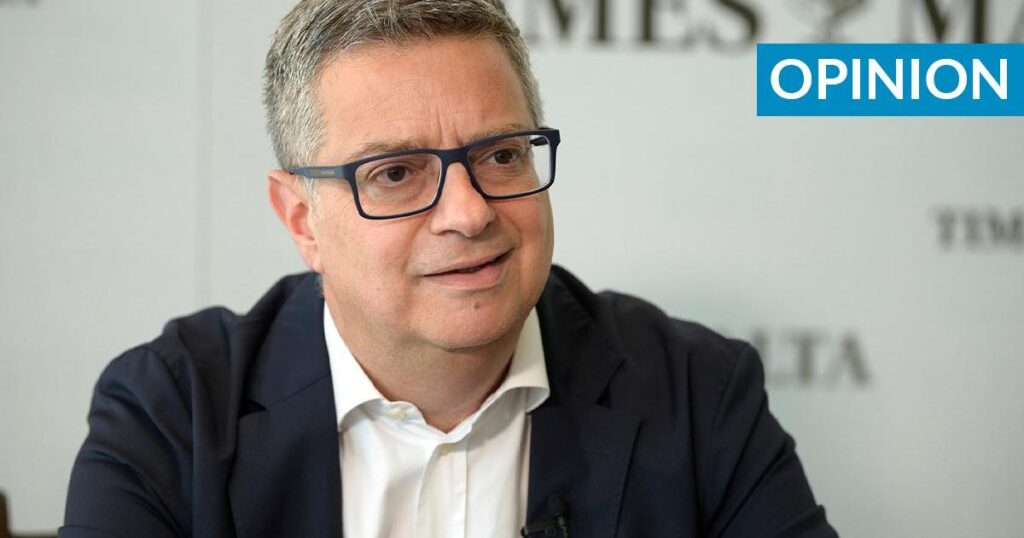
Amid leadership contests and shifting alliances, a good number of people are now placing their hopes on one figure in particular: Adrian Delia, lawyer and former Nationalist Party leader, whose recent legal victories in the Vitals/Steward hospitals case have drawn praise, even from unlikely quarters.
Delia says he has “evolved” since his earlier political tenure. The question is whether that evolution can truly serve as a foundation for a new kind of leadership – one that restores not just confidence in government but Malta’s moral self-belief.
Political redemption is not new. Jerry Brown returned to California’s governorship after decades in the political wilderness. Lula da Silva, once disgraced in Brazil, came back pledging to rebuild democracy. Both succeeded not by denying their past but by embracing humility, listening more and framing leadership as stewardship for future generations.
For Delia, the Vitals case offered more than a legal victory; it was a demonstration that the system, when pushed, can still serve justice. It gave him a moral platform but a platform is not the same as a covenant.
The hard truth is that Malta’s crisis is not only political. It is cultural- Tony Mifsud
To move Malta forward, any leader must go beyond proving competence to building a shared sense of ownership over the nation’s future.
Imagine if a political campaign in Malta began not with slogans but with a Covenant Charter made up of five simple but binding pillars: justice, stewardship, transparency, inclusion and future generations.
Each pillar would carry measurable promises: publishing government contracts within 30 days, empowering anti-corruption commissions with real independence, reversing planning decisions that destroy natural heritage and engaging every local council in open forums.
Such a charter would not belong to one party. It would belong to the Maltese people. Civil society, NGOs, even political rivals could be invited to co-sign it.
Its progress could be tracked on a public dashboard, where green, yellow and red markers would show citizens exactly where commitments stand.
Covenant politics thrives on visible acts of moral leadership. A listening tour that reaches every village and town, unedited publication of citizen proposals, public credit given to opponents for their good ideas – these are more than gestures. They are signs that politics has remembered its role as custodian of the republic.
Likewise, environmental stewardship must be reframed as a patriotic duty. A ‘No Net Loss’ commitment for natural habitats, a Future Generations Impact Assessment for all major projects – these speak not only to policy but to the kind of country Malta wants to be when our children inherit it.
Hope in Delia is a rallying point but covenant politics must outlast any one leader. The public must see that the covenant binds the leader as much as the governed. That means making it possible for the people to hold the leader accountable in real time, without waiting for the next election.
The hard truth is that Malta’s crisis is not only political. It is cultural. A covenant approach means citizens accepting their own role in ending clientelism, rejecting easy favours and demanding the same standards from allies as from adversaries.
A leader can ignite that change but the people must carry it forward.
“Let me ask you,” Sacks once wrote, “what gives you hope?” In a nation weary of scandal, hope must be more than a campaign promise. It must be an act of collective will.
Delia can transform the politics of transaction into the politics of trust and Malta may yet find its moral compass.
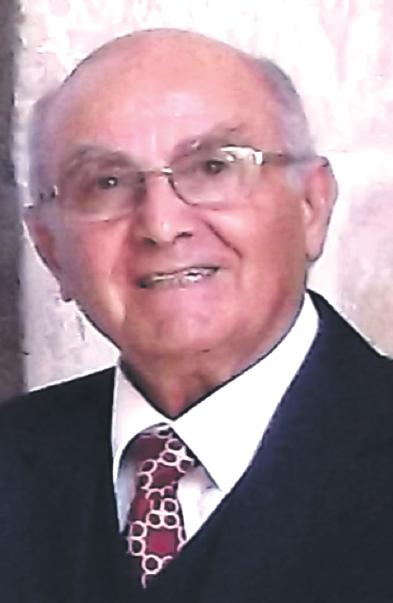
Tony Mifsud studied politics and social affairs in Oxford.